Cold weather risks: Hypothermia symptoms and treatment
Temperatures have dropped significantly in recent days, and the risk of hypothermia is steadily increasing, according to family doctor Rodica Ceavdari.
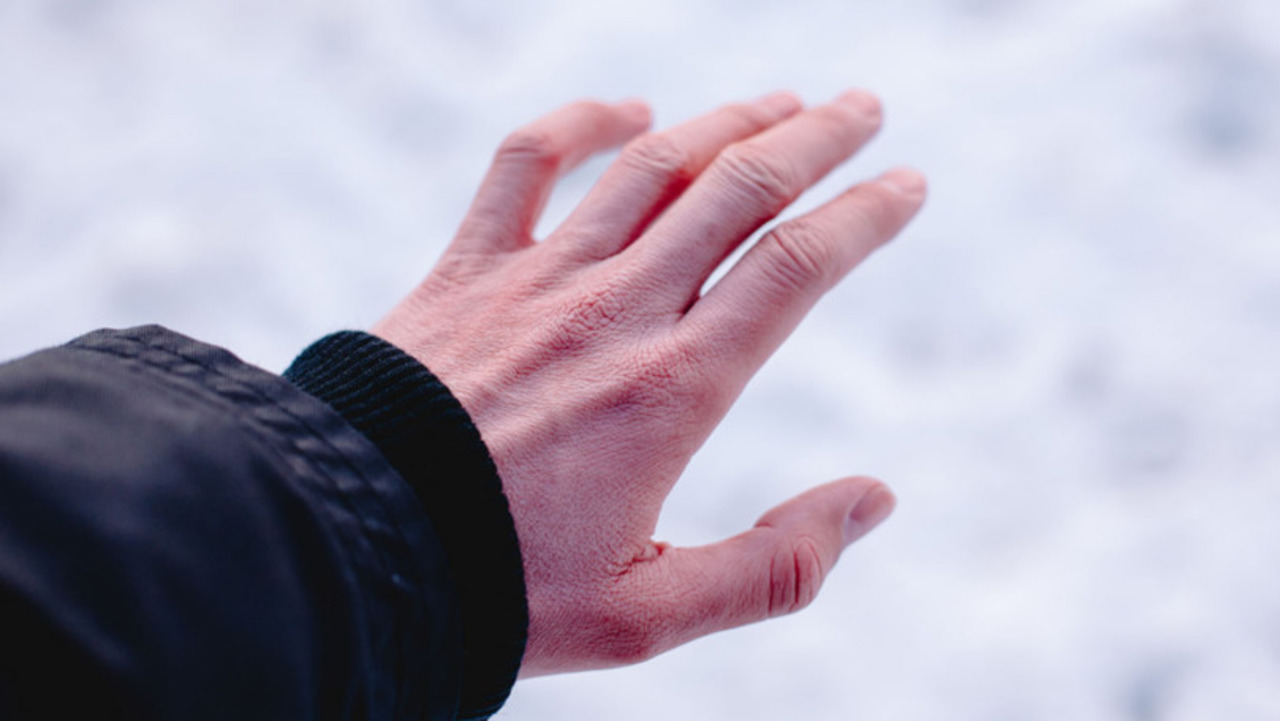
People are urged to dress appropriately for the season and avoid prolonged exposure to low temperatures. The doctor warns that at-risk groups include not only the elderly and children but also individuals with diabetes and hypertension.
For example, if a person's body temperature is between 32 and 35°C, this is considered mild hypothermia. What can be observed in this person? Shivering, a weak pulse, and tachycardia, which means an increased heart rate. When we ask this person questions, they seem confused and sometimes appear drowsy. They may look intoxicated, but without the smell of alcohol.
The doctor also warns of hypothermic coma, which happens when the body temperature drops below 28°C. The person becomes unconscious, cardiovascular complications develop, and the risk of death is very high. Children are also at risk of hypothermia, which typically happens after prolonged exposure to any environment colder than body temperature, such as on the way to kindergarten or while playing in the snow. They may become lethargic, with skin that is cold and bright red.
For children, whether infants or older, a scarf should not be placed over their nose to cover their mouth, as this causes sweating and creates a greenhouse effect. Instead, we need to teach them to breathe properly, so they won’t have any problems and will be able to reach a doctor, says Dr. Rodica Ceavdari.
The medical treatment for hypothermia depends on its severity. Mild hypothermia can be treated with warm blankets, heating pads, and hot water bottles. Moderate or severe hypothermia should preferably be treated in a hospital setting by specialists. Warm fluids are administered intravenously, and warm oxygen is given, along with other treatments to raise body temperature.
Translation by Iurie Tataru