Moldova's Parliament appoints judges amid "state capture" claims
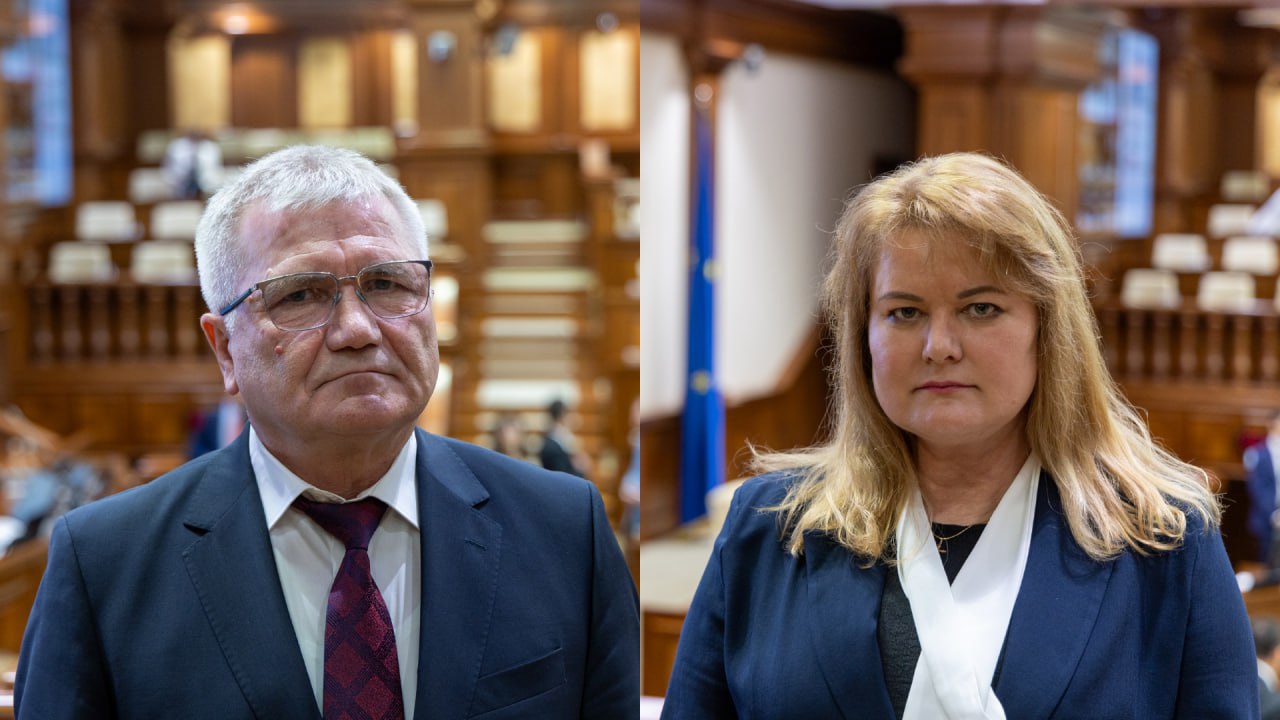
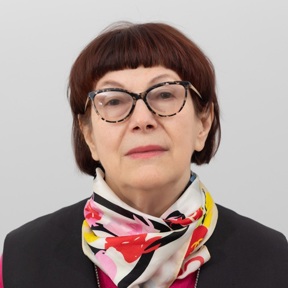
The Moldovan Parliament on Thursday appointed Liuba Șova and Nicolae Roșca as Constitutional Court judges for a six-year term.
The decision was adopted with 54 votes from MPs. The opposition fiercely criticized the selection process, accusing the ruling party of "state capture" and attempting to exert "political control" over the High Court.
Veronica Roșca, head of the Legal, Appointments, and Immunities Commission, who presented the draft resolutions for the judges' appointments, stated their terms would begin on August 17. She assured that Parliament strictly adhered to the conditions for appointing judges to the High Court.
Conversely, the opposition alleged that the selection of the two Constitutional Court judges, who had previously held the same positions, was politically motivated.
"What's happening today isn't a selection of Constitutional Court judges; it's an attempt to control the Court, which will validate the results of the upcoming autumn parliamentary elections," declared Diana Caraman, an MP from the Bloc of Communists and Socialists (BCS).
BCS MP Grigore Novac, in turn, spoke from the Parliament's podium about the dangerous precedent of politically motivated appointments, comparing the current situation to 2018 when the Democratic Party made similar appointments before elections.
"Again, we are witnessing a defiance of legal norms. At the start of this session, I respectfully asked to briefly postpone these draft resolutions, to initiate broad inter-factional consultations, and to debate this subject. (...) Does Parliament appoint, or do the factions? It seems it's the factions, after all. (...) History is repeating itself. The judicial system was politicized and paralyzed, and now they're trying to politicize and paralyze the Constitutional Court too," said BCS MP Grigore Novac.
Parliament Speaker Igor Grosu rejected the accusations from the opposition and civil society, asserting that the appointment of the two Constitutional Court judges was made transparently and "in accordance with international partners' recommendations."
"There were discussions in Parliament, with civil society participation. The two judges are individuals who have proven themselves; we've seen them in action; everything is within the legal framework. There were no other candidates. We started from the premise that these are individuals we've seen in action," Grosu said before today's Parliament session.
It's noteworthy that while Parliament was approving the appointment of the new Constitutional Court judges, a group of Socialist Party sympathizers protested outside the institution, accusing the government of promoting individuals close to PAS to the High Court, thus transforming the institution into a "political instrument."
"The opposition recently returned from St. Petersburg and urgently needs to report, with images, that it's very combative. You saw them – all huddled around a table in front of United Russia... (referring to Igor Dodon, Zinaida Greceanîi, Irina Vlah, and Vasile Tarlev – editor's note). We can assume what commitments they were making there," commented Parliament Speaker Igor Grosu.
It's important to note that on August 16, the terms of five current Constitutional Court members expire, and the law stipulates that new appointments must be made at least three months in advance. According to legislation, the Government and Parliament must each designate two judges to the High Court, and the Supreme Council of Magistracy (CSM) one.
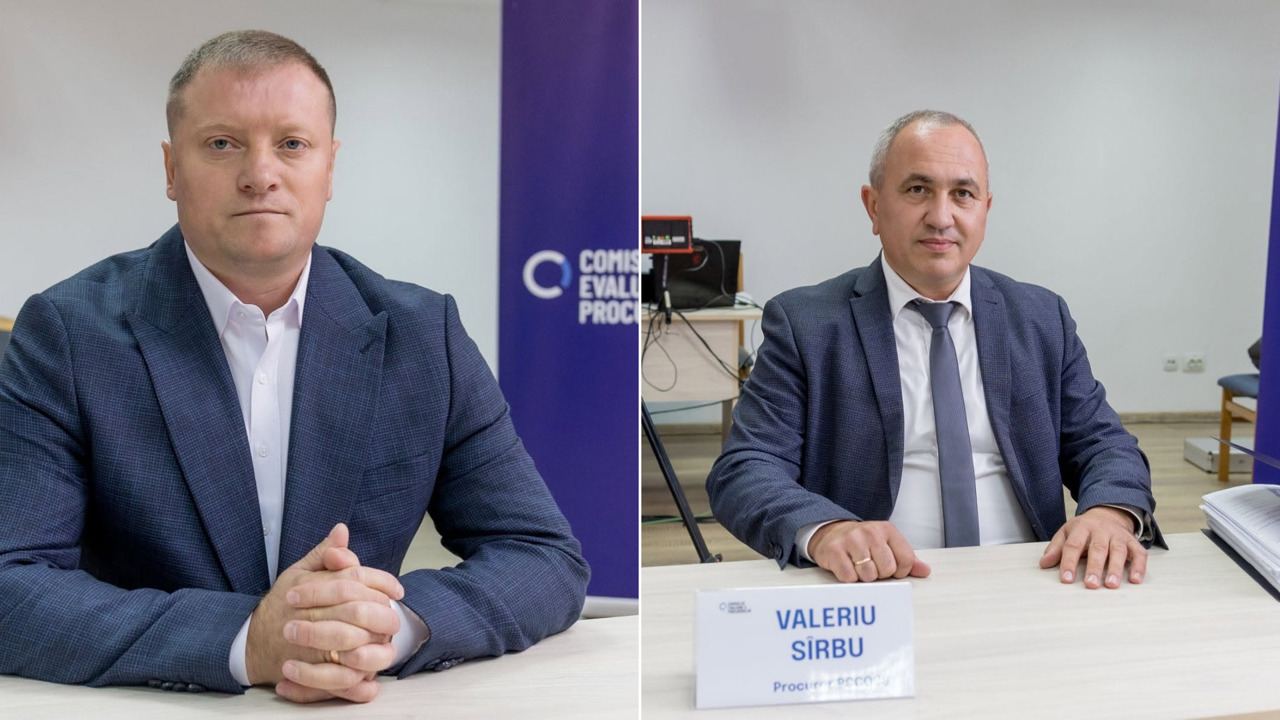
CSM appointed Ion Malanciuc as a Constitutional Court judge for a six-year term during its June 24 session.
Furthermore, on June 24, the Government appointed the current Constitutional Court President, Domnica Manole, and former Justice Minister, Sergiu Litvinenco, as Constitutional Court judges for a six-year term.
Several civil society organizations have requested the Government and Parliament of the Republic of Moldova to ensure a "transparent and merit-based" process for the selection of Constitutional Court judges.
The non-transparent method of appointing judges to the High Court by Parliament and the Government has also been criticized by opposition parties.
Translation by Iurie Tataru