Moldova's pivotal elections: EU path or Kremlin influence?
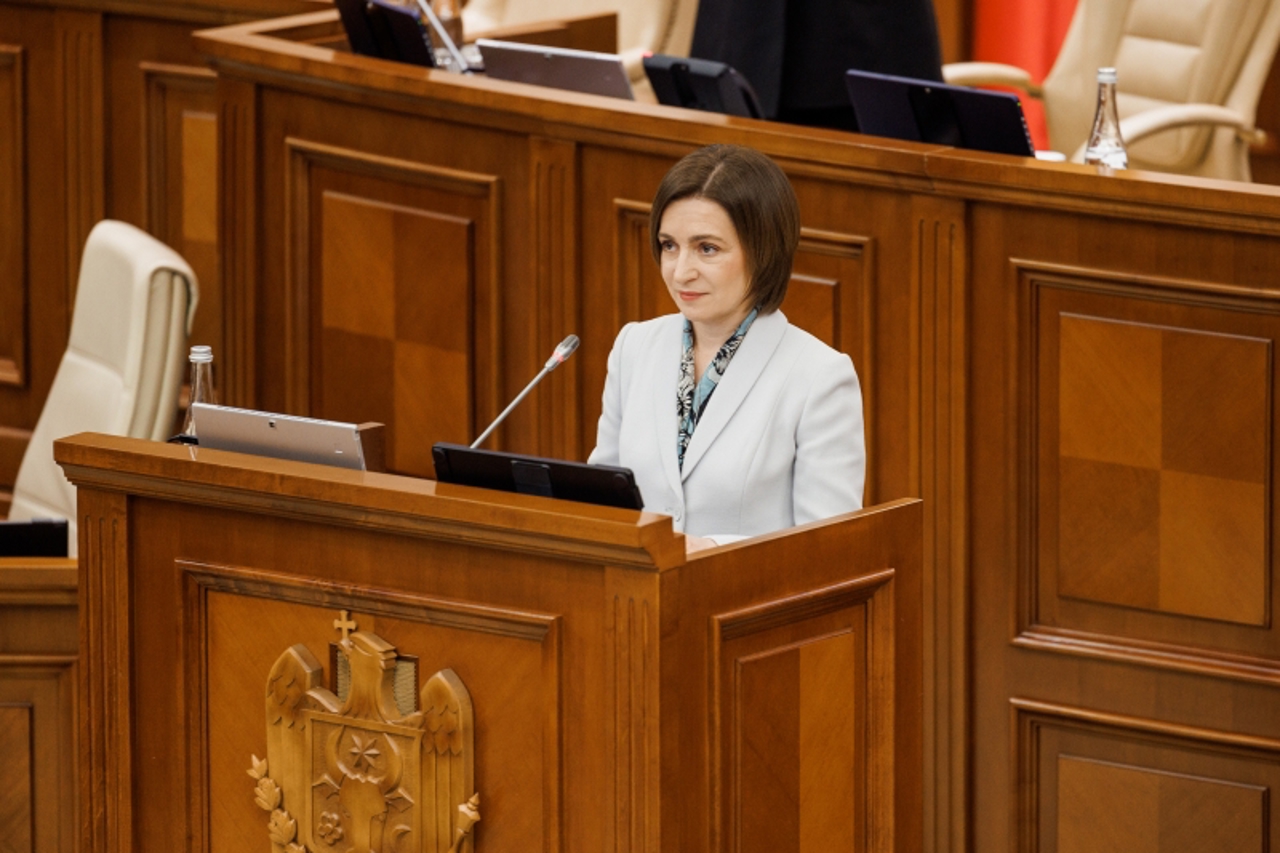
The upcoming legislature could be defined by European integration, a historic landmark similar to the 1991 Independence Parliament, President Maia Sandu stated in an interview with NordNews.
The head of state warned that as elections draw near, Kremlin mouthpieces are becoming increasingly active in the public sphere, and the risk of these elections being negatively influenced by propaganda and illicit funds from abroad is real. According to Maia Sandu, Moscow is intensifying its efforts to manipulate, disinform, and corrupt the electoral process, attempting to derail the country's pro-European course.
"The Kremlin has succeeded in the past in manipulating some people, buying votes, and using disinformation. Now, it wants to do the same. We want Moldovans to decide for Moldova, free from the influence of illicit foreign money and propaganda. It's important for all of us to remain a peaceful, free country where people aren't afraid to express their opinions. This vote will influence our lives and the country's development not just for the next four years, but for decades to come," she said.
Faced with these dangers, the head of state called for vigilance and responsibility. She urges citizens not to be swayed by lies and foreign interests, but to vote for the country's best interests.
Maia Sandu acknowledges that while state institutions have learned from past mistakes, risks persist. Therefore, it's essential for citizens to also be aware, to reject manipulation, and not to sell their votes.
"We must combat falsehoods, tell the truth, and encourage high voter turnout – both domestically and in the diaspora," the head of state emphasized.
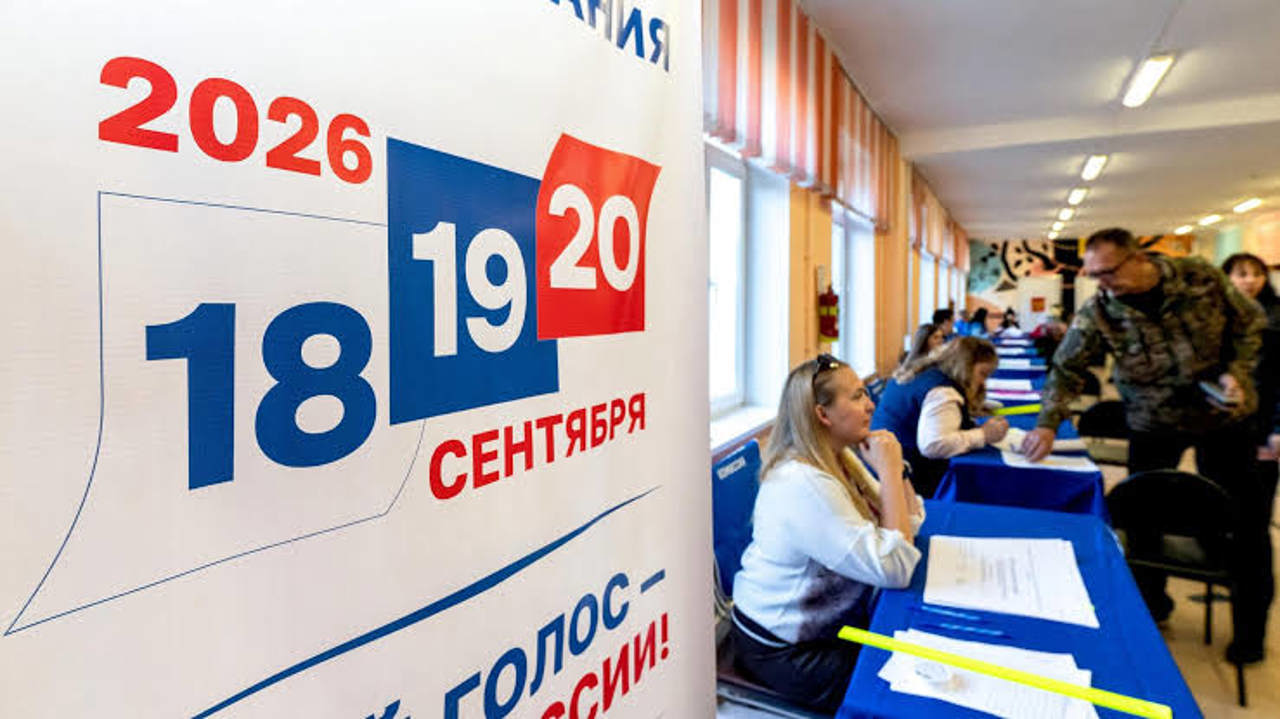
The parliamentary elections scheduled for September 28th are considered by both politicians and legal experts to be "the most important" in the history of the Republic of Moldova. The stakes are high: either maintaining the pro-European course and joining the European Union in the next four years or, conversely, a potential return under the influence of the Russian Federation. While the government and representatives of some extra-parliamentary parties speak of a historic opportunity for European integration, the opposition accuses it of internal failures and using geopolitical fears as an electoral tool.
At the same time, experts also speak of a risk of fragmentation within the pro-European electorate on the eve of the elections if there isn't a consensus among these parties.
The electoral period for the parliamentary elections on September 28th will begin on July 14th, and the submission of documents for the registration of candidates for deputy will take place between July 20th and August 19th.
Translation by Iurie Tataru