EU leaders address Ukraine, Gaza, & defense in key Summit
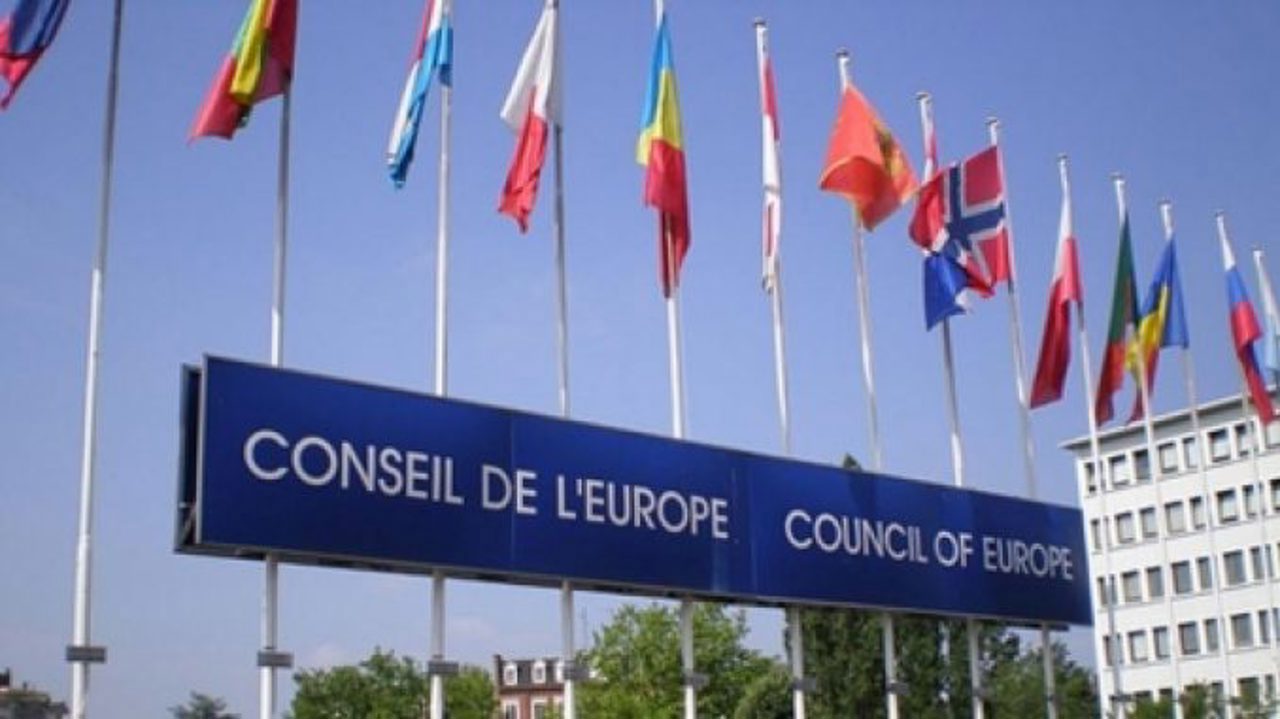
At its meeting on June 26, 2025, the European Council adopted conclusions outlining the European Union's position on the most pressing regional and international issues.
Heads of State and Government discussed recent developments in Ukraine, reiterating the EU's steadfast support for the country amidst Russian aggression. Ukrainian President Volodymyr Zelenskyy participated in the discussions, with European leaders committing to revisiting the topic in future meetings.
Regarding the situation in the Middle East, the European Council expressed deep concern about the humanitarian crisis in Gaza and called for an immediate ceasefire, the release of hostages, and respect for international law by all parties involved, including Israel.
EU leaders also condemned the escalating violence in the West Bank and the expansion of illegal settlements, supporting new restrictive measures against extremist settlers and their supporters. The European Union reaffirmed its backing for a two-state solution and expressed its readiness to contribute to an international conference aimed at finding a lasting resolution to the conflict.
Regional developments also led to discussions on Iran, Syria, and Lebanon. The EU reiterated its opposition to Iran acquiring a nuclear weapon and its support for a peaceful and inclusive transition in Syria, as well as for Lebanon's stability.
Domestically, the European Council underscored the need to strengthen the Union's defense and security capabilities. Leaders reviewed progress in this area, welcomed the adoption of financial instruments, and urged accelerated joint investments in the European defense industry. Security partnerships with the United Kingdom and Canada, along with the necessity of enhancing military mobility within the Union, were also highlighted.
The Council also discussed the European Union's position in the world, its relations with international partners, economic competitiveness, and single market developments. In this regard, emphasis was placed on innovation, reducing energy dependency, and supporting traditional industries and SMEs (Small and Medium-sized Enterprises).
EU leaders also decided to support Bulgaria's accession to the Eurozone starting January 1, 2026.
Concerning migration, European leaders reiterated their commitment to strengthening external borders and combating illegal migration through partnerships and the full utilization of available EU-level instruments.
Discussions also covered the situation in the Western Balkans, EU internal security, and hybrid threats. The European Council condemned the hybrid campaign waged by Russia against the EU and its member states, underscoring the importance of countering these threats with coordinated and firm measures.
Notably, the Republic of Moldova was another significant point of discussion. The European Council expressed strong support for the country's sovereignty and European path and welcomed the progress made in the necessary reforms for accession. The leaders of the 27 European Union member states officially invited the EU Council to advance Moldova's accession process by opening negotiation clusters once the conditions are met.
Finally, European leaders assessed the Union's preparedness for future crises, encouraging an integrated and anticipatory approach to bolstering EU resilience and fostering close cooperation among European institutions and member states.
Translation by Iurie Tataru