“Let us not forget”: Survivors of soviet repressions share testimonies at the National Congress of Memory
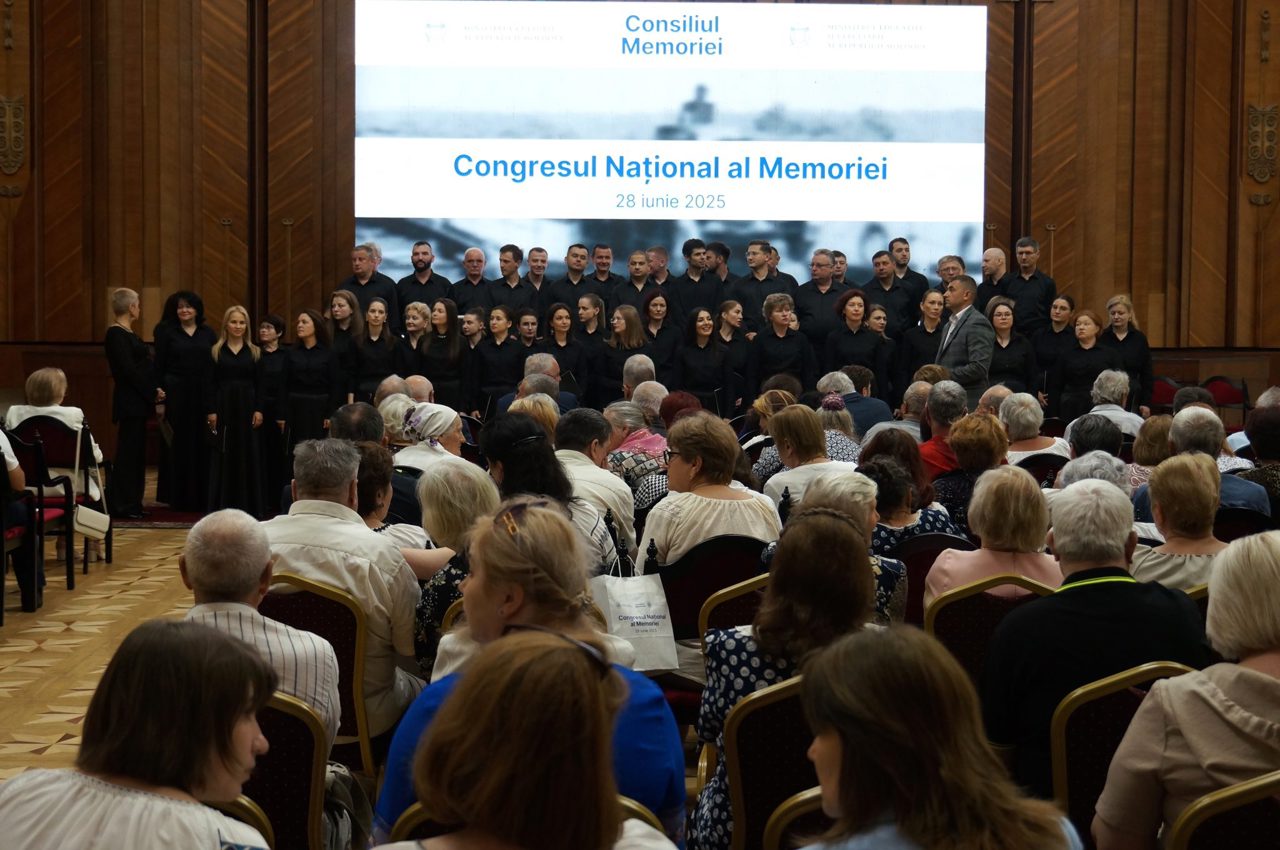
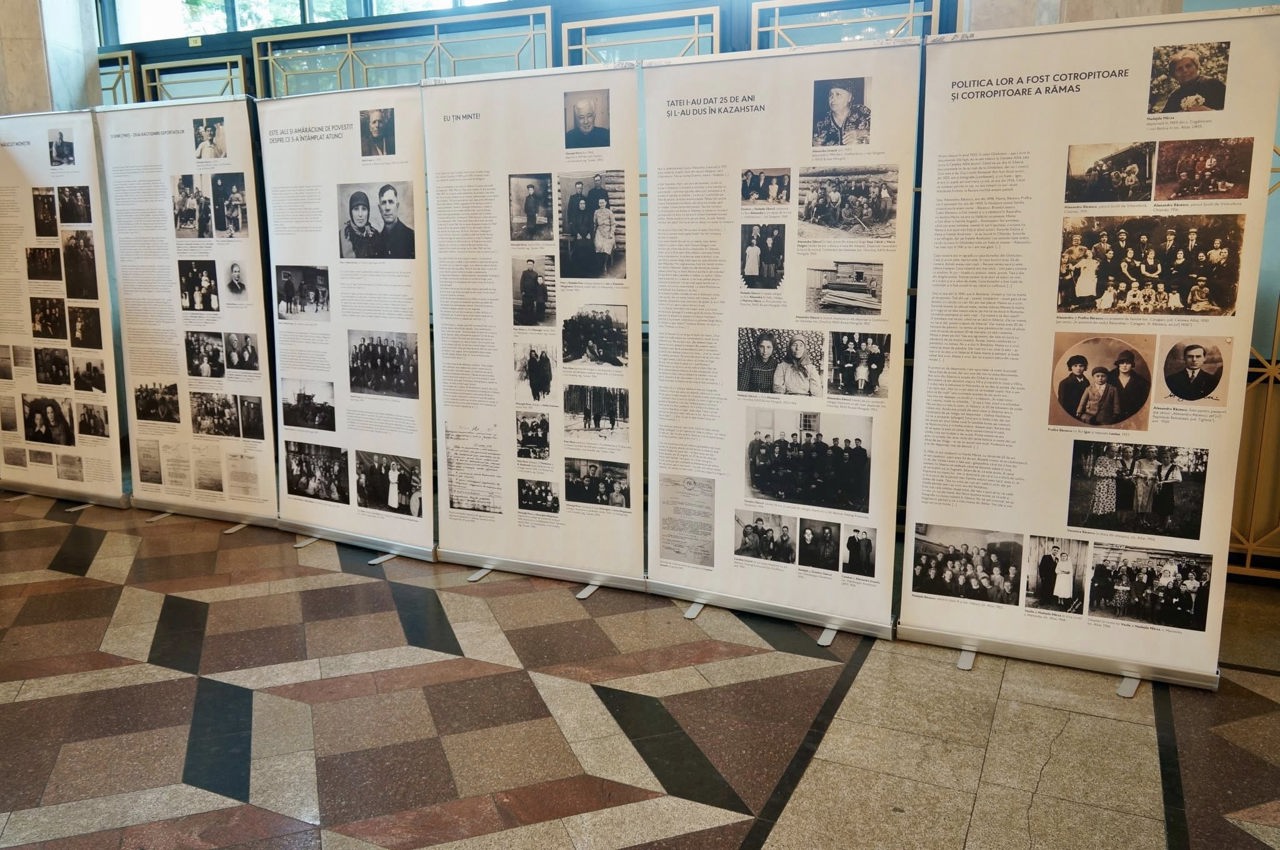
Witnesses and survivors of Soviet repression must be encouraged to speak openly about the tragedies they experienced. This important message was highlighted at the first National Congress of Memory, held in Chisinau to mark the 85th anniversary of the Soviet occupation of Bessarabia and northern Bukovina. The authorities promised tangible support for initiatives aimed at preserving historical memory, including the creation of museums, the installation of commemorative plaques in every locality across the country, and the ongoing process of declassifying archives.
The voices of witnesses recounting the horrors of the Soviet regime resonate more strongly today than ever before. They share their painful and courageous stories of suffering.
"They came to the gate and searched for what we still had in the house and in the yard. They took the sheep, the pigs, and the horses. We were condemned, hungry, and had almost nothing to wear. That's how we grew up and that's how we lived," recalls Veronica Tohari, a former deportee.
"My uncle and grandmother were deported in '49, and they arrived in Kurgan. Imagine this: they came to take you away at night. It's something terrible; I don't even have words for it," said Ilie Ureche, a descendant of a family of deportees.
"My husband's family suffered greatly. He left for Kazakhstan as a 5-year-old child, and when they returned, he had been in poor health all his life. He always talks about these experiences, and I have felt the impact of it on our lives," confessed Ludmila Bostan, the wife of a former deportee.
Those who do not learn from history risk repeating it, and what is happening in Ukraine is a clear example of this danger, say authorities.
"We see this through all the actions and convulsions of an eastern empire that cannot let go of its ambitions. Living memory is crucial; the memories of eyewitnesses cannot change and convey emotions that are essential," declared Igor Grosu, Parliament Speaker.
"A culture of memory protects us against the recurrence of abuse. It helps us develop moral antibodies against any form of totalitarian ideology. We must explain to our children what happened," stated Dan Perciun, Minister of Education and Research.
"Currently, we have registered approximately 6,300 people alive who passed through Siberia, according to data from the National Social Insurance House. However, I want to emphasize that not all of them realized their right to be recognized as victims of political repression," said Alexandru Postica, President of the Association of Former Deportees and Political Prisoners of Moldova.
Eighty-five years ago, on June 28, 1940, the Soviet Union occupied Bassarabia, Northern Bukovina, and the Herța Land. Soviet troops annexed these Romanian territories after issuing an ultimatum to Bucharest.