Moldova school meals: Audit reveals flaws & reforms

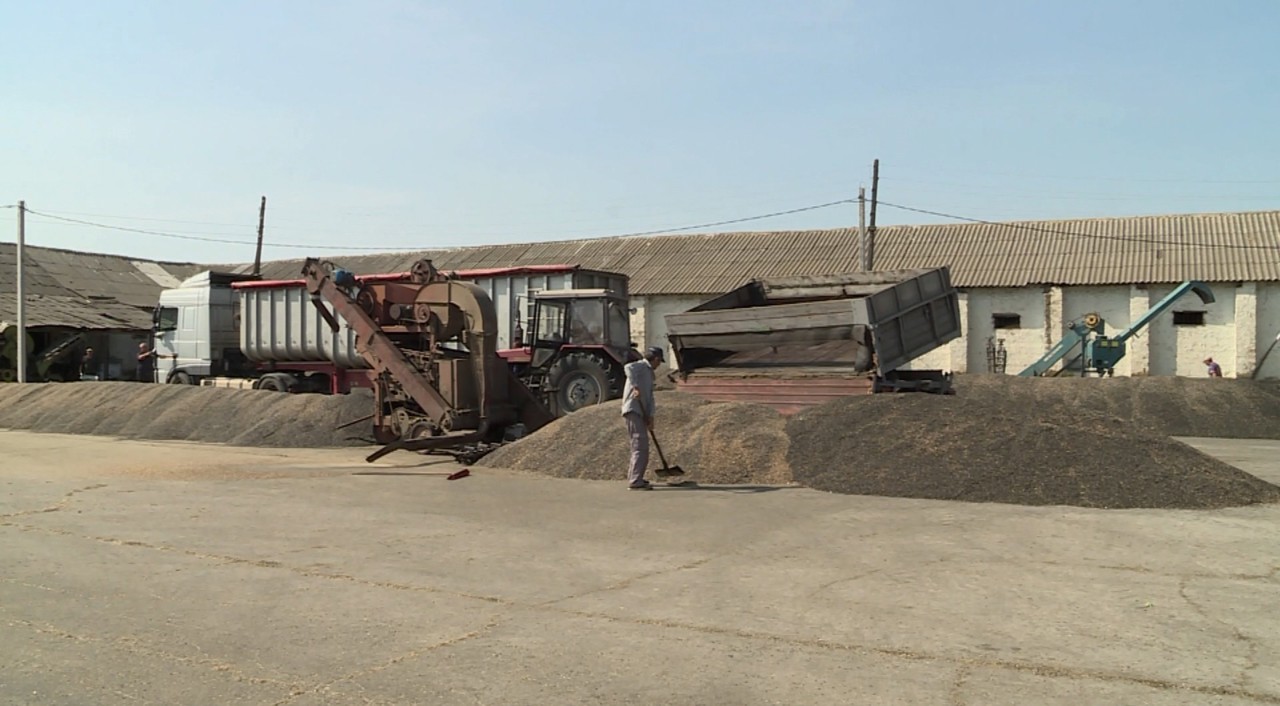
A lack of clear regulations regarding food quantities and insufficient transparency in product record-keeping are the main deficiencies identified by the Court of Accounts in an audit of catering services in kindergartens and schools, conducted late last year.
According to the institution, although authorities have made significant progress in addressing issues revealed by the previous audit in 2020, many gaps persist, negatively impacting the quality of meals provided to children.
The Court of Accounts also highlighted improper accounting practices and a lack of transparency in school canteen management. Revenue was collected in cash, without using cash registers or control equipment, and the accounting records for food products used or sold did not include all necessary data, stated Principal Public Auditor Aurelia Usatîi. She added that this created risks of incomplete income declaration by municipal and state enterprises providing catering services.
The audit found that early education institutions report the same data on the quantity and types of food products consumed to public health centers as well as to the educational management information system. This duplication of reporting leads to additional administrative effort and increases the risk of data inconsistencies.
In Chișinău municipality, authorities have made important strides in modernizing school catering, including reorganizing the system and boosting daily allowances for each child by three lei, declared Deputy Mayor Angela Cutasevici. However, the audit revealed that municipal enterprises, including those in the capital, don't maintain clear accounting records for their services, which complicates verifying costs and ensuring product conformity with menus for students in grades I-IV. Angela Cutasevici mentioned that municipal authorities will implement the Court of Accounts' recommendations to address these deficiencies.
"We can share our experience and the actions we've taken, because at a certain stage, we implemented an electronic reporting platform and piloted it with two early education institutions to see how food products are purchased and reported. Therefore, it was a very complex exercise to truly understand how to improve the food services system. And we need to clarify all associated costs for a child's plate. That's very important."
The Ministry of Education and Research is currently finalizing a unified reporting system for food services in educational institutions to avoid data discrepancies reported to responsible entities. The system's completion and implementation are planned for this autumn, according to Viorica Negrei, Head of the General Education Management Department.
Reporting for preschool educational institutions is set for half a year. Thus, for this reporting period, June was to be regulated without being able to be excluded. However, upon completion of the system's development and the finalization of ANSP's intervention regulation, the order will be revised regarding the necessary actions preschool educational institutions need to undertake.
The Court of Accounts audit reveals that of the 48 recommendations formulated, 32 have been fully implemented, five partially, and the rest continue to pose a challenge.
Translation by Iurie Tataru