EU nears trade deal with US amid tariff threat
It's increasingly clear that after a period of aggressive rhetoric and provocative gestures, European Union states are ready to sign an agreement to avoid a trade war with the United States.
The deal would keep tariffs at 10%. Without it, the trade tariffs imposed by the U.S. President Donald Trump could come into effect on July 9. To this end, the European Union has sent its Trade Commissioner, the Slovak Maroš Šefčovič, to Washington. He's known for his imperturbable bureaucratic style. He is in the U.S. capital on Thursday, July 3, and will present a report to EU governments on Friday.
The European Union is thus willing to accept the universal 10% tariff imposed by Trump on a large part of European exports, but it is also seeking exemptions for certain product categories: pharmaceuticals, alcoholic beverages, semiconductors, and commercial aircraft. The new German Chancellor, Friedrich Merz, particularly emphasized these points at last week's EU leaders' summit.
The EU is, therefore, declaring itself ready to conclude a trade agreement with the U.S. that would include 10% tariffs on a large portion of goods exported by Europeans.
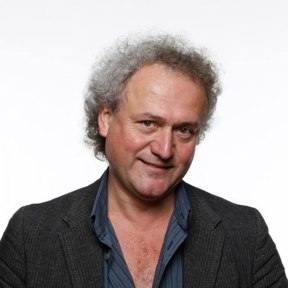
Commissioner Maroš Šefčovič is currently the man in whom Brussels is placing all its hopes. He prefers to operate away from the media spotlight, with discretion and without fuss. He's perceived as an efficient technocrat, a "fixer" sent to resolve delicate issues such as relations with the United Kingdom or climate policies.
Considered a quiet but effective negotiator, Šefčovič managed to reach an agreement with the British during the Brexit period. Now, his mission is to secure concessions from Donald Trump amid the trade conflict initiated by the former U.S. leader.
Šefčovič is, therefore, in Washington to hold talks with U.S. Trade Representative Jamieson Greer. Negotiations begin on Thursday, and time is pressing: the deadline set by Trump is July 9. If no agreement is reached by then, the U.S. could impose tariffs of up to 50% on imports from the EU.
If discussions fail, European Commission President Ursula von der Leyen has stated that the Union is prepared to join a rival Asian trade bloc, with the aim of rewriting global rules in the current geopolitical context.
Tensions are also amplified by grievances expressed by the Trump administration and American technology companies, which have criticized European legislation on digital services and markets, deeming it unfairly targets U.S. firms.
Maroš Šefčovič thus faces a "mission impossible," but there's moderate optimism in Brussels. If he managed to negotiate with Boris Johnson, some say, he might also succeed with Trump.
Ultimately, 10% tariffs wouldn't be devastating for either Europe or the U.S. They might even affect U.S. exporters to some extent. This situation is reminiscent of the Brexit negotiation period, when the French satirical publication "Le Canard Enchaîné" ironically commented on the tense context:
"— Is it true that the Channel Tunnel will be filled in? — Yes, but only on the British side."
Translation by Iurie Tataru