Copenhagen warns: Pro-Russian government could derail Moldova’s EU path
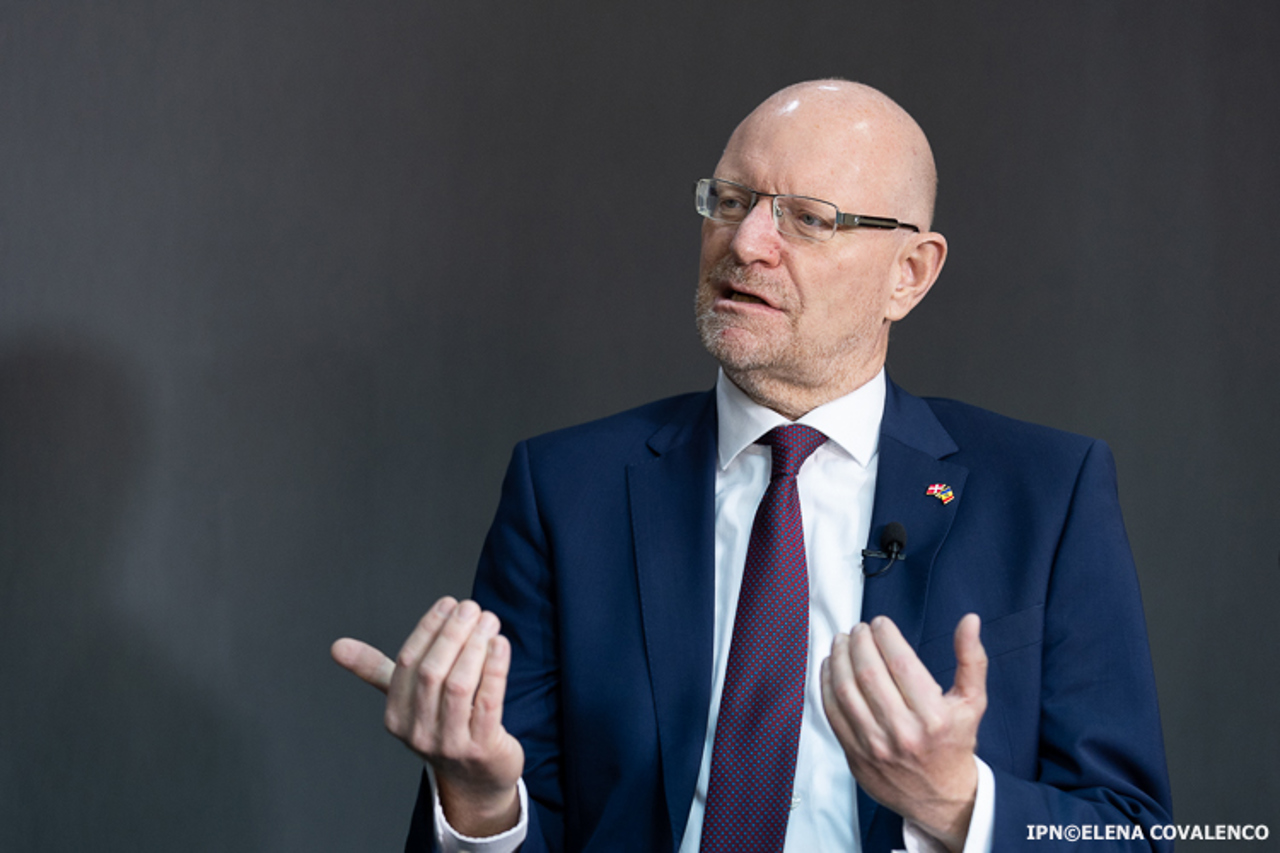
The ambassador of the Kingdom of Denmark to Moldova, Søren Jensen, warns that the pace of Moldova's integration into the European Union could be hindered if a pro-Russian government comes to power after the parliamentary elections in September.
In the program “We and Europe” on Radio Moldova, an official highlighted that a significant risk facing the Republic of Moldova is disinformation, particularly in the lead-up to elections. He emphasized the prevalence of well-funded campaigns aimed at destabilizing the country and urged citizens to verify information before accepting it as true.
The official noted that Denmark continues to support Moldova in the areas of justice and human rights. He acknowledged the progress made in reforming the justice system but stressed the importance of having an independent and functional judiciary to attract foreign investment.
"The risks associated with this process include a potential slowdown, which could arise from two main factors. One is external pressure that may hinder progress. The other depends on the candidate country's internal decisions. For instance, if elections result in a more pro-Russian orientation, it could impede European integration. Additionally, if more countries lean towards Russia, the risks will increase. Ultimately, the choice lies in the hands of the people, and we will respect that choice; however, every decision carries consequences," the diplomat explained.
He also mentioned that there is a consensus within the European Union regarding the desire to advance the accession processes for both Moldova and Ukraine, but the pace of these processes will depend on how each country fulfills its obligations.
"We believe that no one in the EU opposes moving forward with Moldova. There is unanimous support for starting the accession process. Additionally, there is significant solidarity to advance the process with Ukraine as well. The reality is that once these chapters are opened, the speed at which progress occurs will vary from one country to another. Moldova may advance more quickly in certain areas while progressing more slowly in others compared to Ukraine. A national ratification process is necessary, and some countries will be grouped together since decisions can be made simultaneously," Søren Jensen emphasized.
The diplomat concluded by reaffirming the European Union's broad consensus on advancing the integration process for Moldova. However, the pace will depend on the reforms and commitments undertaken by the candidate country.
We remind you that Denmark began its presidency of the Council of the European Union on July 1 and will hold this position for the next six months. Chisinau is counting on Denmark's support to facilitate the negotiations for EU accession.
Denmark's presidency will conclude on December 31, 2025, when it will be succeeded by Cyprus, according to the established program of the rotating trio. Until then, Copenhagen is responsible for coordinating key EU decisions, including those regarding enlargement, security, and regional solidarity, all of which have direct implications for Moldova’s European future.