Moldova's disability employment gap: Solutions & stories
Only 17.5% of people with disabilities in the Republic of Moldova are employed, according to data from the National Bureau of Statistics.
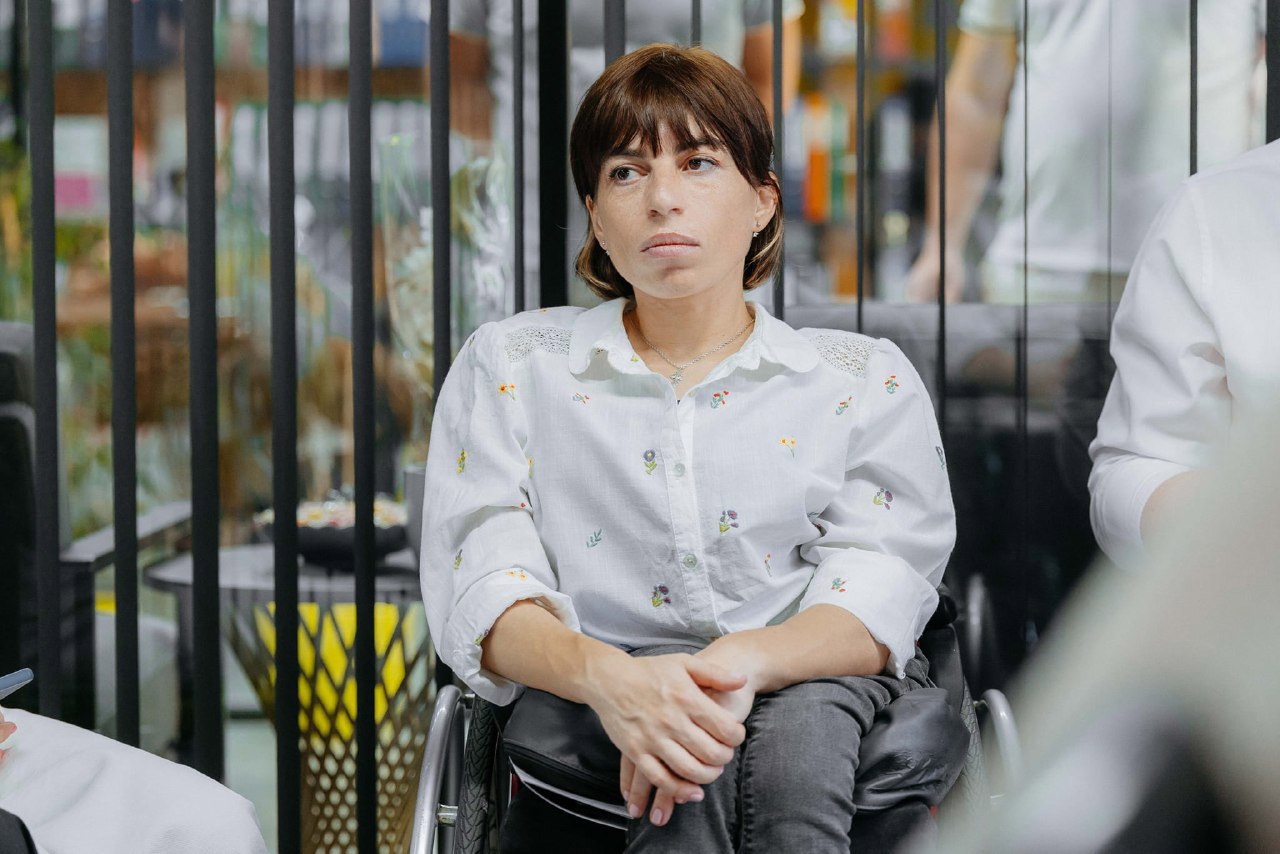
This low rate stems from structural barriers, limited access to education, inaccessible infrastructure, and employer reluctance. However, the example of Iuliana Tabacari, a young woman using a wheelchair who found employment with the support of the "MOTIVAȚIE" organization, shows that change is possible.
Employment support: The "MOTIVAȚIE" Association's impact on youth with disabilities
The assisted employment service provided by the "MOTIVAȚIE" Association in the Republic of Moldova makes an essential contribution to the professional integration of people with disabilities, especially young individuals aged 16 to 40, who face significant obstacles in accessing the labor market. With the help of specialists, they are guided in identifying their strengths, drafting CVs, preparing for interviews, and networking with employers. At the same time, companies are informed about the rights of people with disabilities and supported in creating adapted workplaces, as Victoria Boțan, the Association's Public Relations Specialist, mentioned in an interview for Radio Moldova.
"Once a person with disabilities is employed and properly integrated, they often inspire their colleagues. With the right support, these individuals can fully demonstrate their abilities and become valuable professionals in various fields. A compelling example is Iuliana, whom we met in 2005 when she was 17. She participated in an independent living program organized by our association, where she first met other people with disabilities who were completely independent," Victoria Boțan states.
In the last year, 53 people with disabilities found employment in the open labor market, seven were supported to return to studies, and 126 employers were contacted to offer job opportunities, Victoria Boțan added.
"Accessibility benefits not only people with disabilities but also those with reduced mobility – elderly individuals or those with temporary conditions. The increase in the number of employed people is also because more individuals are now better aware of their rights and are motivated to actively seek employment, including by using our services," she added.
Iuliana Tabacari's story: Overcoming school barriers for a telecommunications career
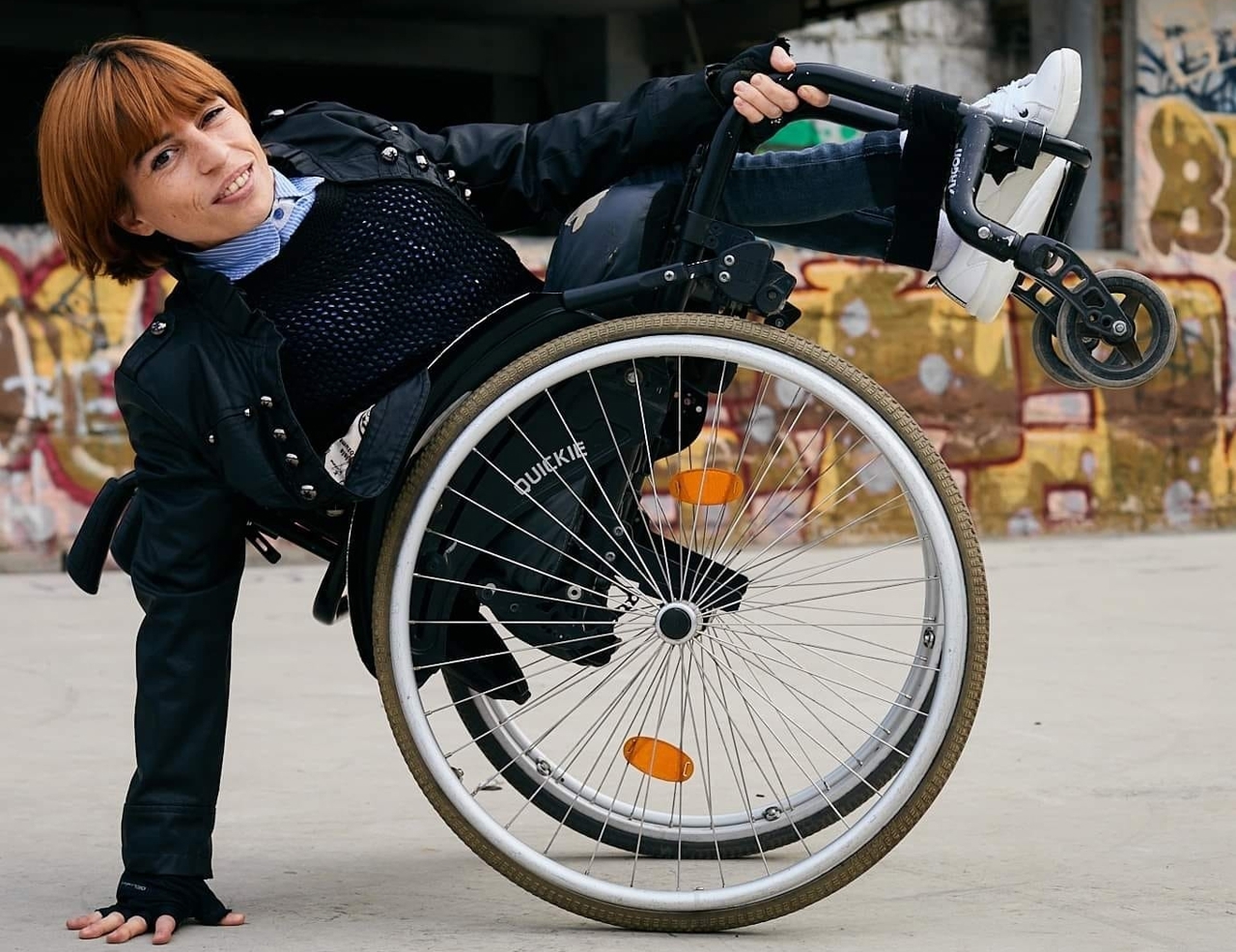
A striking example is Iuliana Tabacari, a young woman with paraplegia who, with the association's support, became an initiative leader in Hâncești and was later employed by a telecommunications company, achieving financial and social independence.
Iuliana says she got her first job in 2016, and it wasn't easy at all. The main barriers began in school, where the infrastructure isn't adapted for students with disabilities.
"In my case, the employer met me halfway, saw my CV, and appreciated my active involvement in various social projects with the 'Motivație' Association. I gained experience and developed relevant skills for employment. Therefore, the employer didn't focus on the lack of a university degree but on what I knew how to do and my active involvement. I work from home, but I also go to the office — the infrastructure is fully adapted: bathrooms, doors, common spaces. When I first saw all these conditions, I was impressed: "Wow, can everything really be this accessible?" Iuliana further explained.
A young woman's appeal to authorities
The young woman called on authorities to prioritize accessibility in educational institutions and small towns. Currently, she says, in the absence of adapted workplaces, many people with disabilities in rural areas/districts are forced to work from home, in fields such as handmade crafts.
"Authorities must think about supporting people with disabilities not only at the employment stage but also from the very beginning of their education. Everything starts there. If you have access to education, you have the chance to dream further, set goals, and confidently move forward. Chisinau has the most accessible jobs for people with disabilities. In smaller towns or rural areas, the situation is much more difficult," the young woman adds.
Iuliana now lives in Chisinau and dreams of traveling independently by train.
"Now I live alone, I'm independent, and I was thinking of seeing how accessible trains are. I'd love to travel on my own. I'm glad things have changed in recent years, slowly but surely, progress is being made. It's a slow but visible progress – in the right direction: more accessibility and more opportunities," Iuliana Tabacari noted.
Government pledges increased financial susupport for adapting workplaces and educational institutions
Employers can receive compensation for expenses necessary to adapt workspaces, acquire assistive equipment or technologies, or for other modifications required for a person with disabilities to work effectively.
The Minister of Labor and Social Protection, Alexei Buzu, announced that, starting in 2026, the Government, under the Growth Plan for Moldova, will triple financial resources allocated to employers for adapting workplaces to the needs of people with disabilities. Even with a modest increase from 14% to 17% in the number of employed individuals, it's evident that substantial efforts must continue, the official added.
"Often, the lack of resources prevents people with disabilities from developing necessary skills and, consequently, from benefiting from scholarships, because the respective institutions are, unfortunately, not fully inclusive. We are mobilizing resources and conducting accessibility audits so that, in the near future, a person with disabilities who wishes to pursue computer science or accounting courses can do so without impediment," Alexei Buzu emphasized.

Additionally, authorities will collaborate with educational institutions to make them accessible, equipped with modern equipment suited for various types of disabilities.
There are approximately 162,000 people with disabilities in the Republic of Moldova.
Translation by Iurie Tataru