Correspondence by Dan Alexe // London and Berlin sign first defense pact in over a century
Brussels has approved Berlin's new military spending plan after a thorough budget reassessment. Chancellor Friedrich Merz's government will allocate significant funds to defense and infrastructure over the next two years, after which it plans to reduce investments.
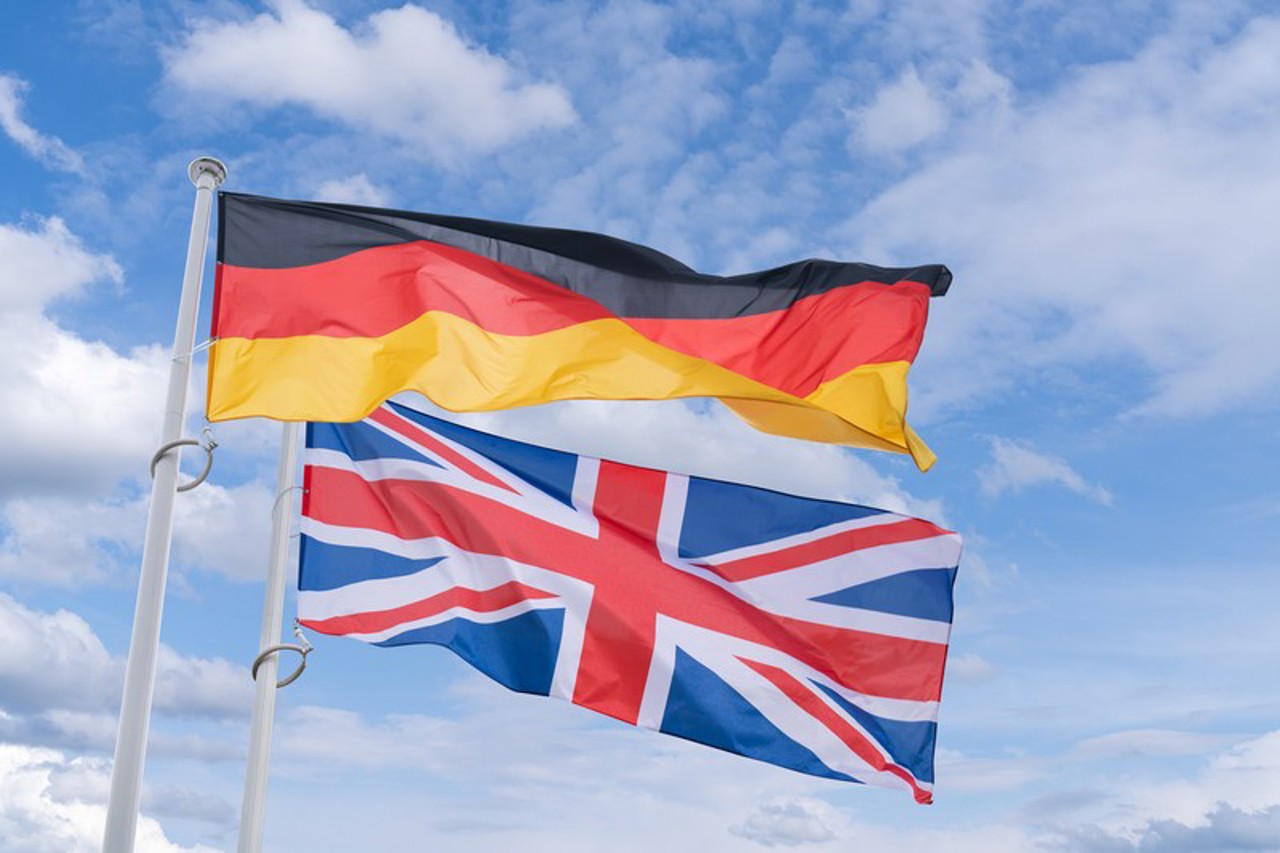
Chancellor Friedrich Merz is poised to significantly alter Germany's doctrine and position in Europe. For the first time since the Second World War, Germany and the United Kingdom have concluded a mutual defense treaty.
The security pact between British Prime Minister Keir Starmer and German Chancellor Friedrich Merz is a key element of what is being referred to as a "triangular alliance" among London, Paris, and Berlin. The countries involved pledge to assist one another in the event of an external attack.
Bilateral defense and military cooperation treaties are not new. For instance, France and Poland signed a similar agreement on May 9, commemorating victory over Nazism. However, a treaty between London and Berlin carries significant symbolic weight.
This treaty is viewed as part of the emerging triangular alliance among the UK, France, and Germany, all of which have increased their defense spending significantly since Donald Trump returned to the White House.
During his state visit to France, Prime Minister Keir Starmer agreed to closer cooperation on nuclear weapons with President Emmanuel Macron, emphasizing its importance alongside the deal regarding the return of illegal migrants.
The bilateral defense cooperation treaty between the UK and Germany builds on the Treaty of Trinity House, signed last autumn. It is expected to include a commitment from each country to come to the aid of the other in the event of an attack.
Both the UK and Germany are NATO members, and Article 5 of the NATO treaty states that an attack on one member is considered an attack on all.
The discussions in London regarding the triangular alliance among Britain, France, and Germany are occurring against the backdrop of Trump's vocal criticism of European partners and their defense spending records.
Additionally, the treaty will facilitate travel for German children on school trips to the United Kingdom, thereby strengthening cultural and educational ties. Teachers will be able to visit their students without needing to obtain visas, and lists of student names will be sent en masse for quick approval.
Officials hope this move will help reverse the 80% decline in the number of German school trips to Britain since Brexit.
While both countries are already protected under NATO's Article 5, the new bilateral commitment adds a symbolic declaration of the close alignment of German and British security interests in light of an expanding Russia.