New exhibition explores Nazi-Soviet Pact's legacy
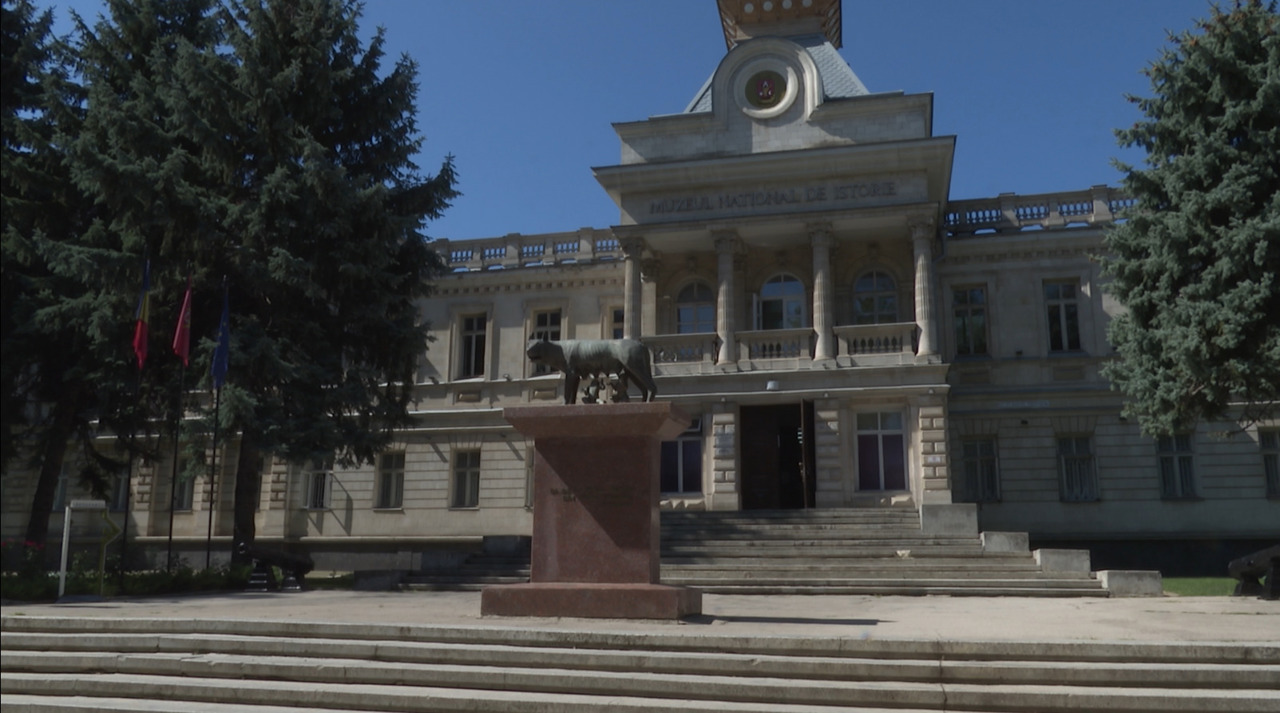
An exhibition that highlights one of the darkest chapters of the 20th century has opened at the National Museum of History of Moldova.
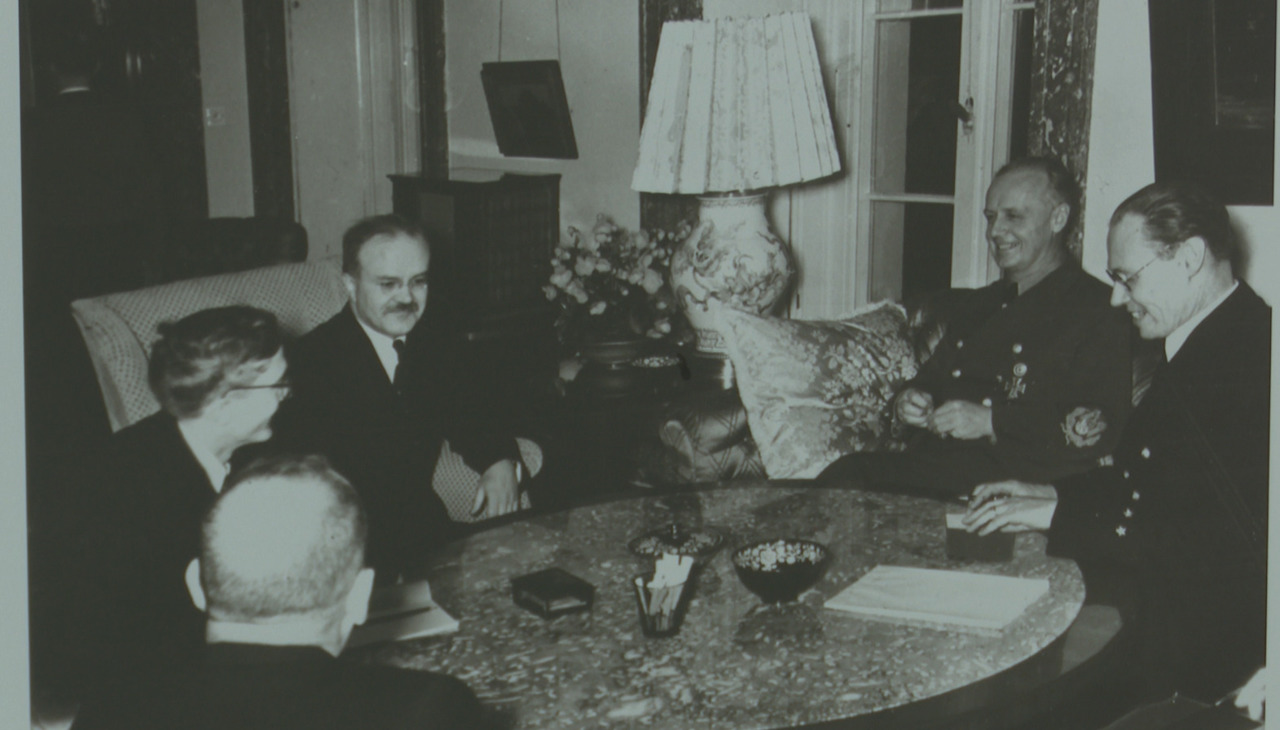
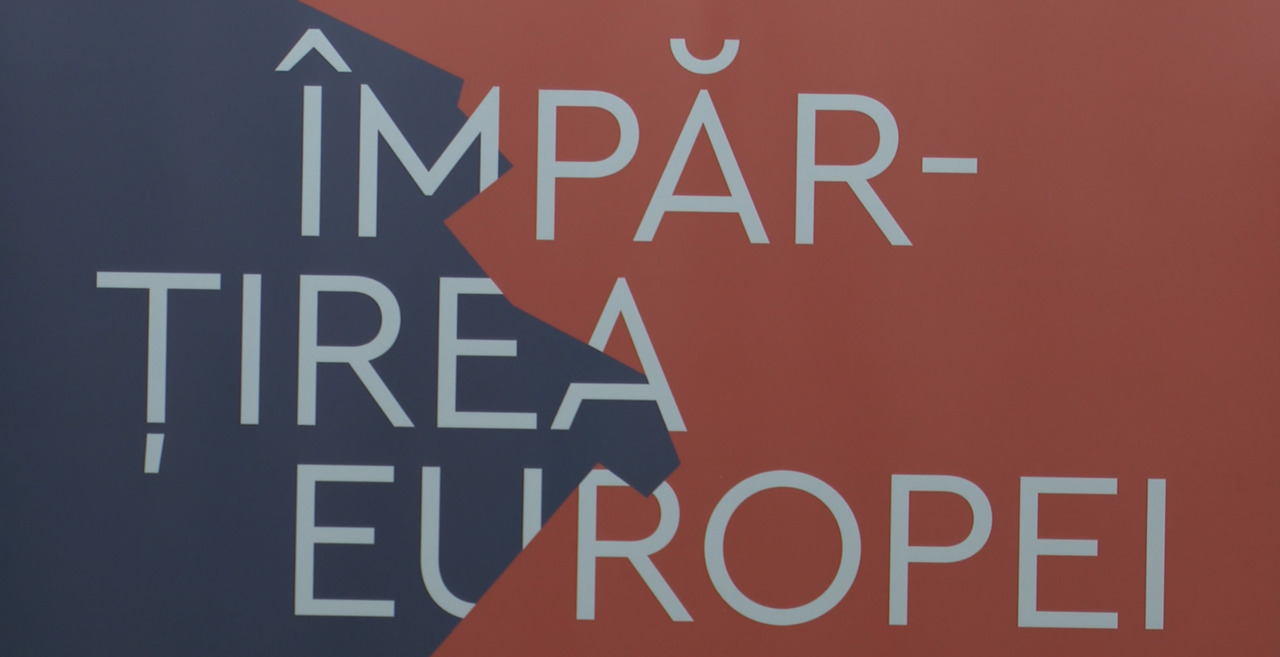
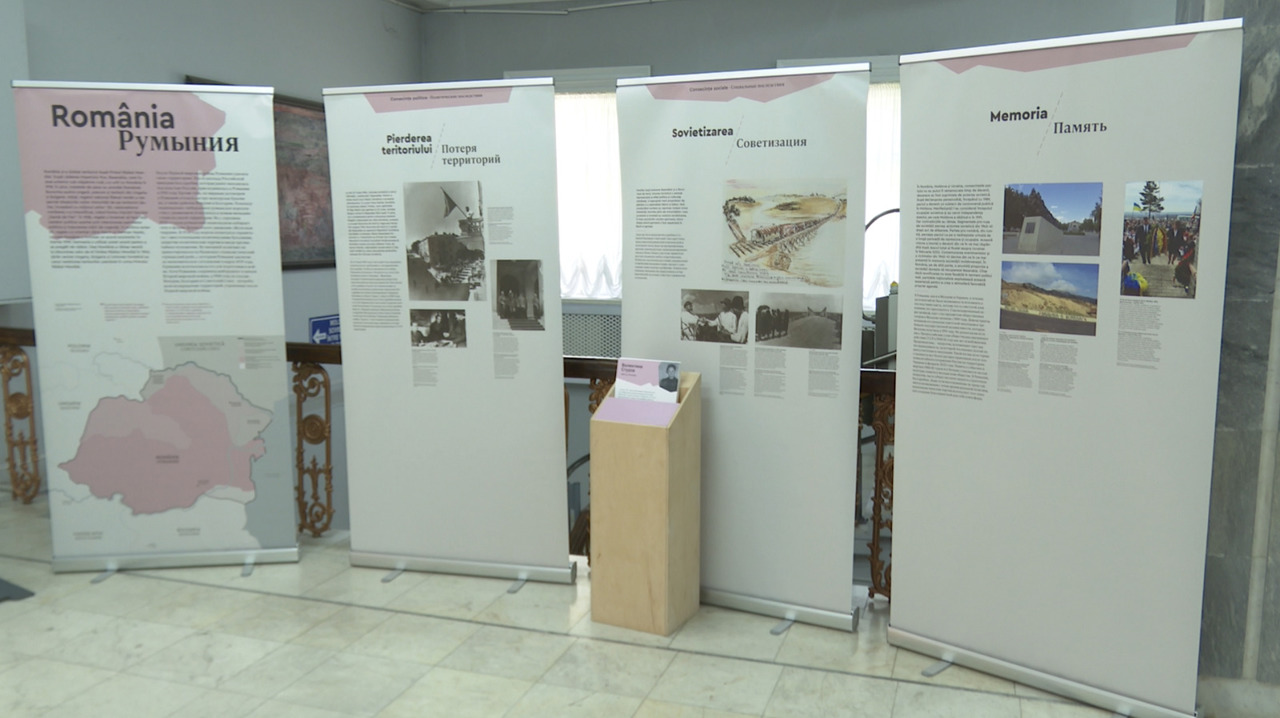
Titled "The Division of Europe: Consequences of the Molotov-Ribbentrop Pact," it explores the secret agreements between Nazi Germany and the USSR that redrew maps and changed destinies. Conceived by the Berlin-Karlshorst Museum and the University of Düsseldorf, the exhibition was launched last year to mark the 85th anniversary of the pact's signing.
The idea for the exhibition came from the desire of German researchers to show people in different countries the true history.
"We present the Pact here as a historical fact. It’s about the agreement between the German Reich and the Soviet Union to divide the world. We have four zones—the Baltic states, Finland, Southern Europe, Poland, Romania-Moldova, and of course, Belarus and Ukraine. We show the tragic consequences of the Pact on these countries," says Jörg Morré, director of the Berlin-Karlshorst Museum.
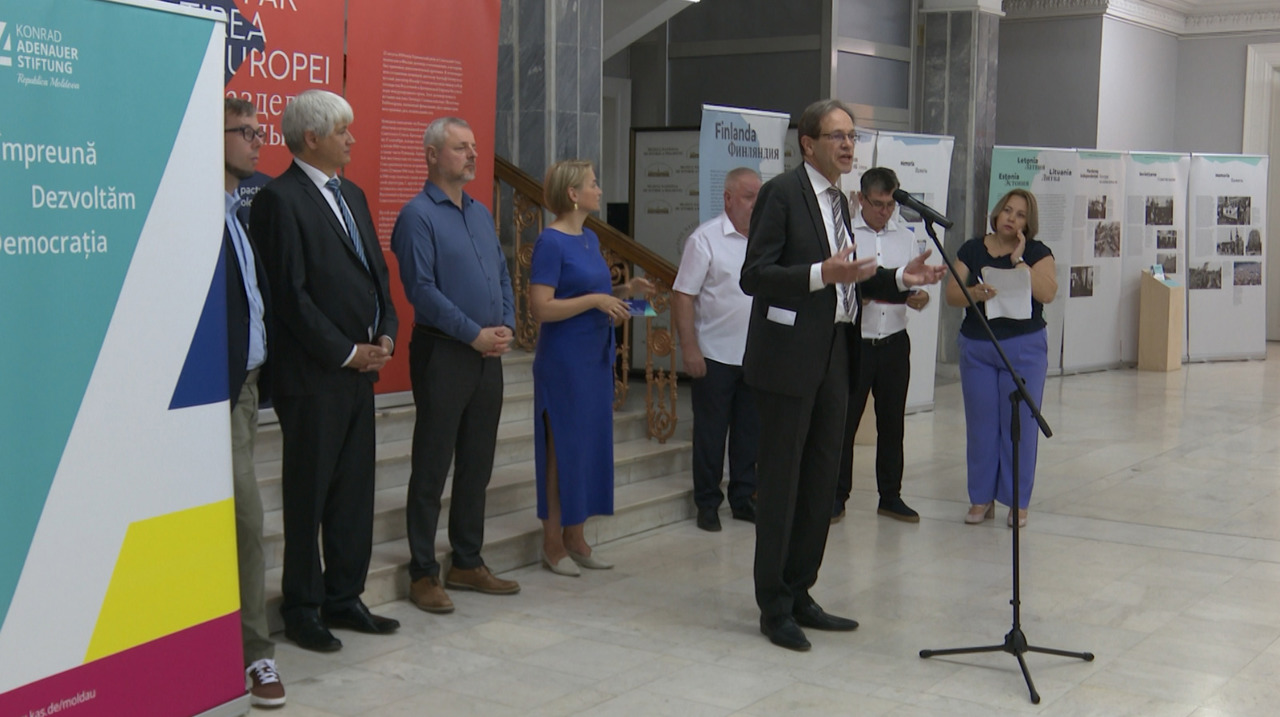
"Several states and communities suffered from these disastrous consequences, including Romania and, specifically, the Bessarabians, as the Soviet Union abusively annexed Bessarabia, Northern Bukovina, and the Herța region and incorporated them into the Soviet Union," emphasized Sergiu Mustață, president of the Young Historians Association.
The exhibition has also traveled to other locations.
"For us, it's very important to present these harrowing historical accounts in several locations across the Republic of Moldova. The exhibition has already been shown in Soroca, Edineț, and Bălți," says Brigitta Triebel, head of the Konrad Adenauer Foundation's office in the Republic of Moldova.
If the mistakes of the past are not condemned, they risk being repeated, says Minister of Culture Sergiu Prodan.
Germany has condemned, condemns, and will condemn Nazism and the denial of these crimes. In Germany, it is punished by law. On the other hand, the other signatory of this Pact denies the crimes it committed. This means they want to repeat them.
"It is commendable that the exhibition addresses the entire region, and in this regard, we are also trying to articulate policies of memory to become a common voice that speaks about our shared history," notes Ludmila Cojocaru, a doctor of history.
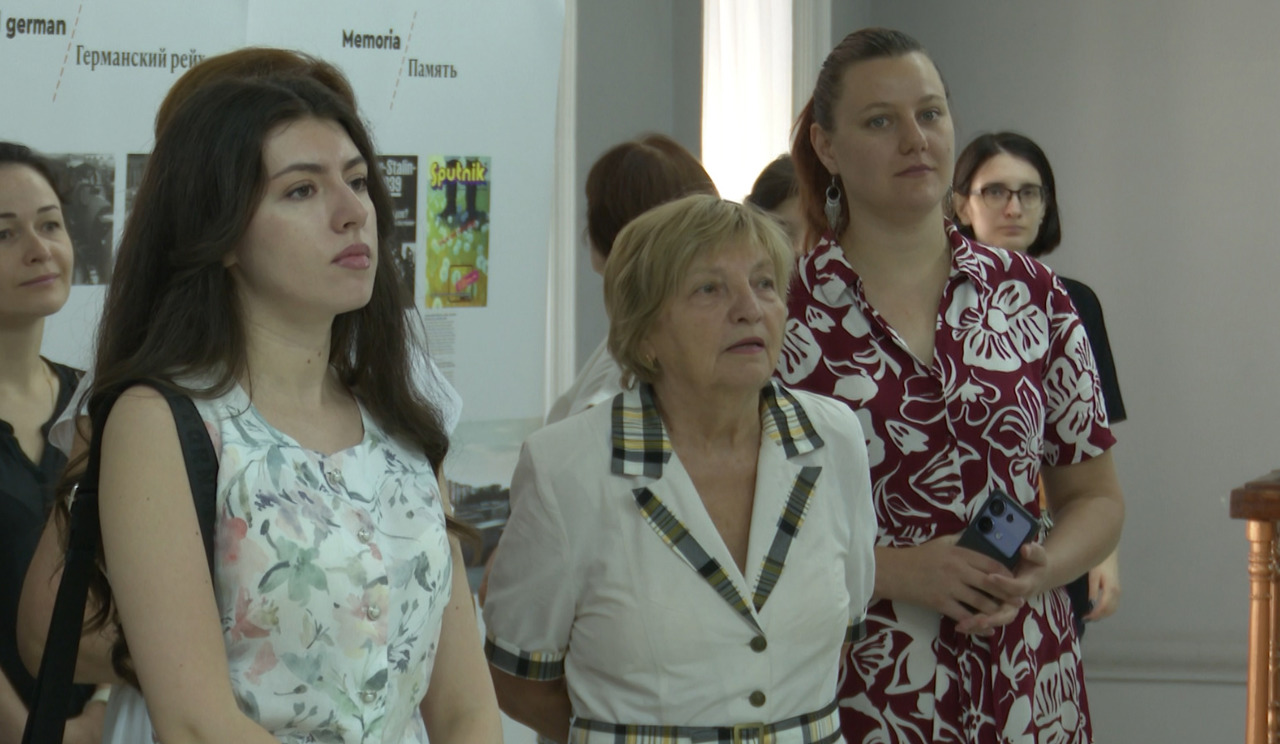
The exhibition marks a dialogue between the European Union and the Republic of Moldova about history, said the German Ambassador to Chișinău, Hubert Knirsch. On August 23rd, the European Day of Remembrance for Victims of Stalinism and Nazism, the dialogue will continue with a roundtable discussion among historians about the Molotov-Ribbentrop Pact.
Translation by Iurie Tataru