Major infrastructure project: Chișinău, Strășeni, and Călărași to be linked by new water main in 2026
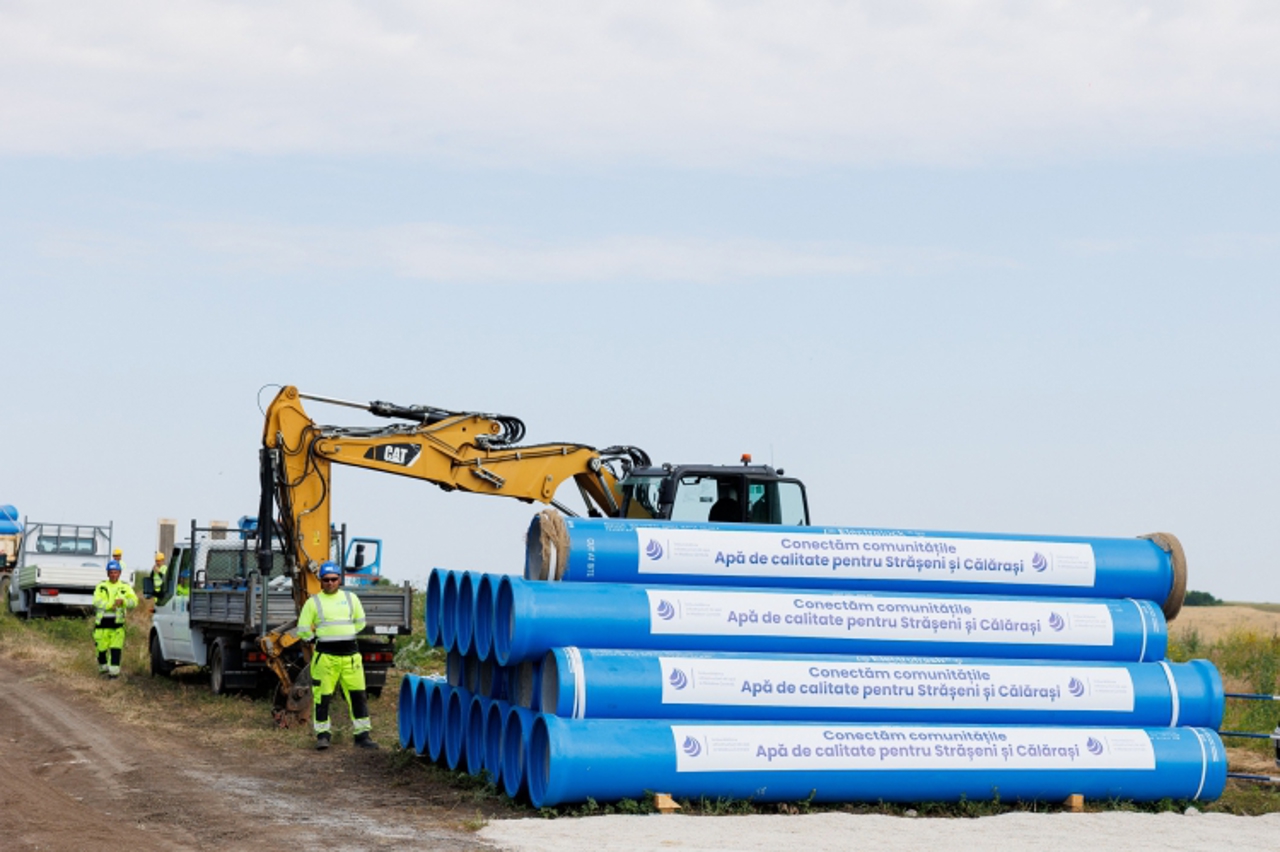
The Chisinau–Straseni–Calarasi water pipeline is expected to be operational by the fall of 2026. Water will be sourced from the Nistru River. This week, a team of evaluators from the German Development Bank KfW visited the Republic of Moldova to assess the project's progress.
The experts visited shortly after the official launch of the project on June 19, 2025, with the installation of the first pipes.
This assessment mission follows the signing of a Memorandum of Understanding in December 2024 between the authorities of the Republic of Moldova and Germany as part of the new "Open Urban Development Program" (OPUD), which falls under the initiative for "Water supply and sanitation in central Moldova."
The pipeline will be over 50 kilometers long, connecting the municipality of Chișinău with the cities of Strășeni and Călărași. This project aims to provide safe drinking water to tens of thousands of residents in the region, addressing the urgent need for water resources in many localities.
The new infrastructure will help reduce the risks of waterborne diseases, protect groundwater resources, and increase the resilience of communities against climate change.
The main investments include:
- Construction of a new water intake station from the Nistru,
- Expansion and modernization of water networks in priority localities,
- Reduction of water losses and improvement of energy efficiency,
- Training of local operators and strengthening of institutional capacities.
"We support the modernization of water services in the Republic of Moldova with over 95 million euros in grants, and this project will improve the lives of over 75,000 citizens," stated Margret Uebber, the German Ambassador to the Republic of Moldova.
The OPUD program is implemented by the Government of the Republic of Moldova, through the Ministry of Infrastructure and Regional Development and the Centru Regional Development Agency, in partnership with local public administrations from Chișinău, Strășeni, and Călărași, as well as with regional operators.
According to data from the authorities, over the past few years, 1,000 kilometers of aqueduct networks have been constructed.