US-China trade talks stall over Russia, Iran oil
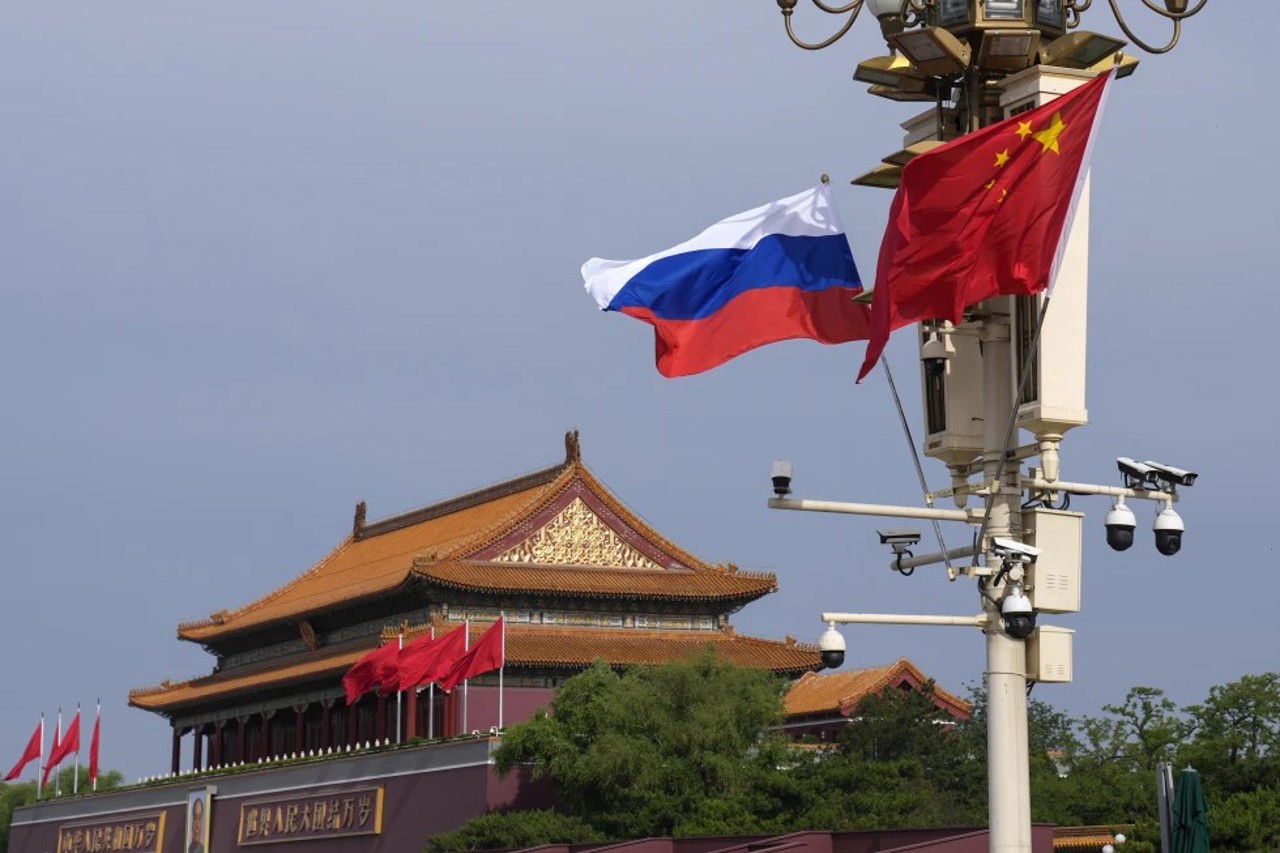
Despite some progress in trade negotiations between the U.S. and China, the world's two largest economies remain divided on one key point: Washington's demand that Beijing stop buying oil from Russia and Iran.
China has firmly rejected the American request, reaffirming its sovereign right to secure its energy needs, according to the AP.
"China will continue to secure its energy sources in ways that serve our national interests. Coercion and pressure will lead to nothing. China will resolutely defend its sovereignty, security, and development interests," the Ministry of Foreign Affairs in Beijing said in a post on the X platform, at the end of two days of trade talks held in Stockholm.
The tensions come as the Trump administration has threatened to impose 100% tariffs on China if it doesn't halt imports of oil from Russia and Iran, which are essential sources of revenue for the two regimes targeted by international sanctions.
U.S. Treasury Secretary Scott Bessent told reporters that "the Chinese take the issue of their sovereignty very seriously" and acknowledged that this sensitive subject didn't block negotiations. "We have every chance of reaching an agreement," Bessent told CNBC.
However, the differences over energy policy seem unshakeable. China imports over 1 million barrels of oil daily from Iran—roughly 80-90% of Iran's total exports, according to a 2024 report from the U.S. Energy Information Administration. At the same time, Beijing is the second-largest buyer of seaborne Russian oil, after India, with over 1.3 million barrels imported daily in April, according to the KSE Institute.
Trump also wants punitive tariffs for India
India isn't escaping American pressure either. President Trump recently announced the imposition of a 25% tariff on goods imported from India, plus an additional tax due to its purchases of Russian oil. The reaction from the Indian Ministry of External Affairs was that its relations with Russia are "stable and long-standing."
Stephen Miller, a White House advisor, stated that it's "not acceptable" for India to continue to fund the war in Ukraine by buying Russian oil. "We need to get realistic about funding this war," Miller told Fox News.
Senator Lindsey Graham has introduced a bill that would allow for tariffs of up to 500% on imports of oil, gas, uranium, or petroleum products from Russia, as well as on countries that knowingly purchase them. The bill already has 84 supporters in the U.S. Senate and bipartisan support in the House, but its adoption is on hold.
"The purpose of this law is to break the cycle where China—a communist dictatorship—buys oil at a reduced price from Russia, thereby fueling Putin's war machine," Graham said.
International analysts warn that Beijing is unlikely to yield. "Beijing cannot give up Russian and Iranian oil. It is a vital strategic source and is bought at liquidation prices," said Danny Russel, an expert at the Asia Society Policy Institute.
Gabriel Wildau, from the firm Teneo, believes the threat of 100% tariffs is difficult to enforce. "If implemented, it would destroy all recent progress and nullify the chance of a Trump-Xi deal," he said.
For now, China is playing hardball, and the U.S. is weighing the costs of a major economic confrontation, given that in the geopolitical context, energy is becoming a bargaining chip in major global rivalries.
Translation by Iurie Tataru