Maria Bieșu: Celebrating 90 years of a global opera legend
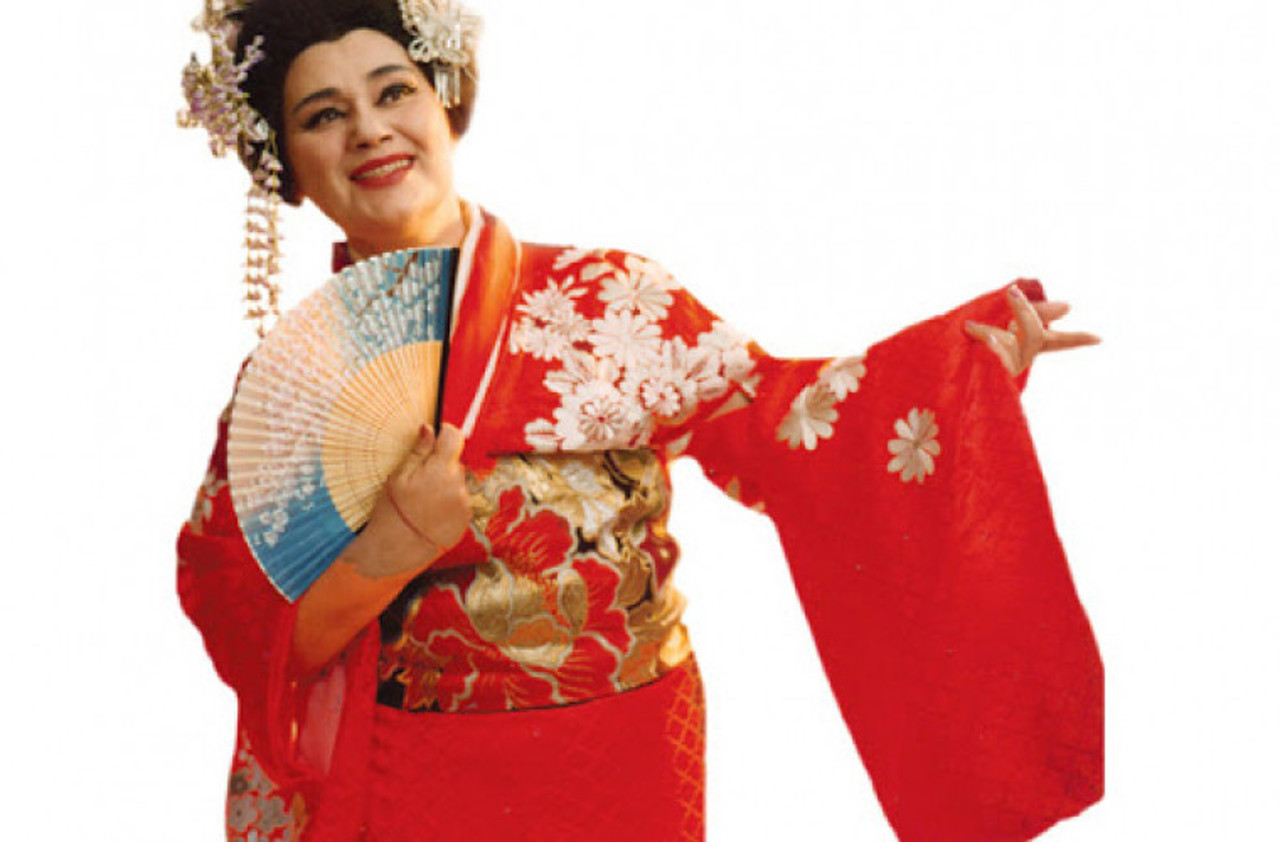
She took the fame of our land to all corners of the globe and enchanted audiences at the world's most prestigious theaters, yet she always returned home with a deep affection for the national opera, her loyal spectators, and her family.
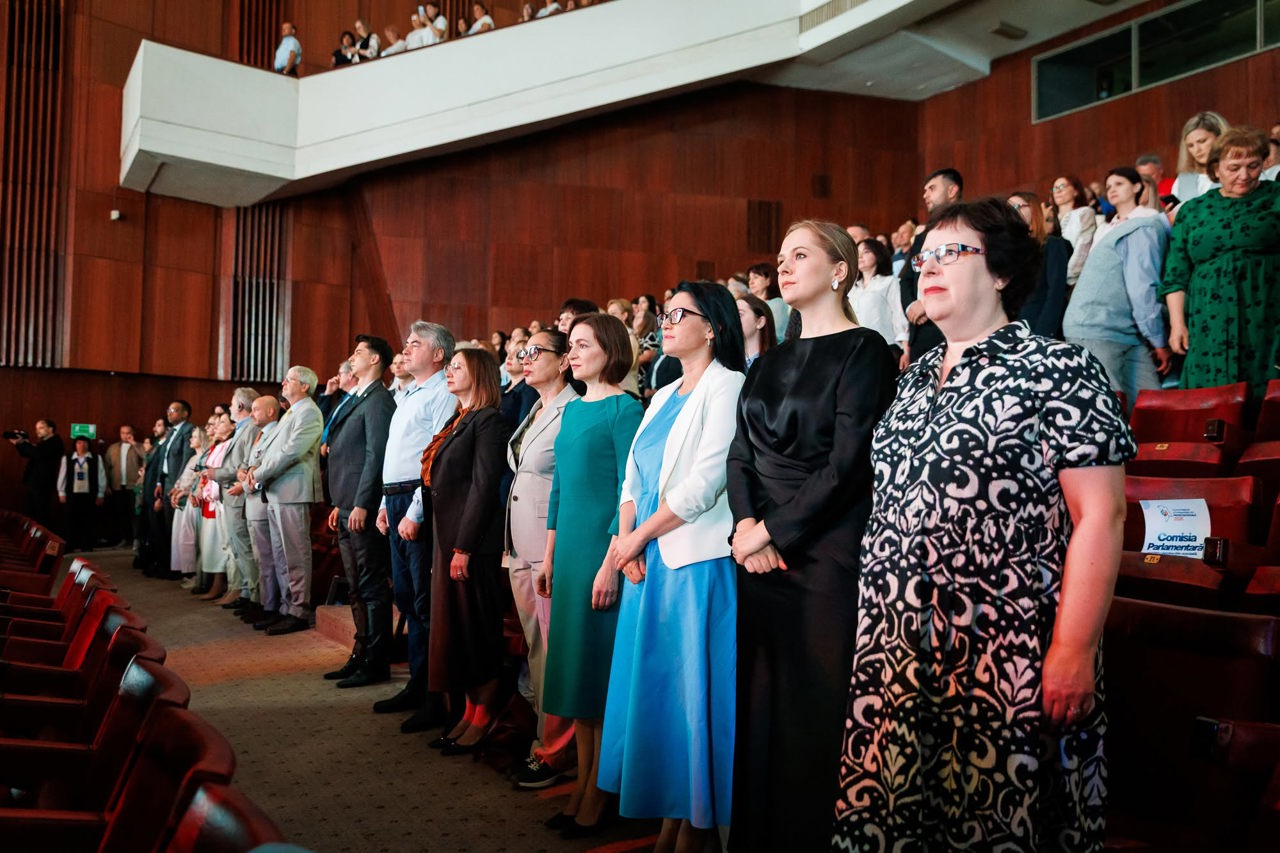
Today marks 90 years since the birth of the prima donna Maria Bieșu. Several admirers, especially colleagues from the National Opera and Ballet Theater (TNOB), brought flowers to her grave at the Central Cemetery of the Capital.
Maria Bieșu's voice, her unique timbre, her dramatic depth, and her soul-stirring performances still resonate in the hearts and memories of her colleagues at the theater that now bears her name.
"God gave us Maria Bieșu. On other lands, there was rarely such a voice, such a bird as Maria Bieșu," says Nicolae Dohotaru, general director of the "Maria Bieșu" TNOB. "We continue to feel this loss, this absence of her grace within the National Opera."
"She is one of the greatest sopranos of the 20th century. She had a vocal technique that allowed her to handle the most complicated opera scores," says Vladimir Dragoș, a People's Artist.
For the younger generation, Maria Bieșu remains a role model.
"She is a personality and, first and foremost, a wellspring of inspiration that she was and is for us today. A unique voice, one where even now you can press play on any recording and, without looking at the video, you will know it's Maria Bieșu's voice," says Dumitru Mîțu, a soloist at TNOB.
"She sang not only with her voice but with her soul. She sang with such conviction that she had a very good connection with God and reached each of us," says Radu Chiochiu, a soloist at the "Maria Bieșu" TNOB.
Although she was often on tour, Maria Bieșu was always present in the bosom of her family.
"She was like a mother who gathered all her relatives and worried about each one. But above all, she was an artist. For her, the audience and her work were like family, a home she always returned to," says Marina Podlesnaia, a relative.
Sopranos with such a voice are born once in a hundred years, says Aurelian Dănilă, the author of several books about Maria Bieșu's life.
"She set a new standard for talent. She is a phenomenon; because of her, our theater became a European opera theater," says Aurelian Dănilă, a corresponding member of the Academy of Sciences.
"Maria Bieșu placed the Republic of Moldova on the international map of opera music after she won the Cio-Cio-San competition in Japan. She visited many parallels and meridians of our Earth and took the fame of our land," says Ion Tighineanu, president of the Academy of Sciences.
Maria Bieșu was born in 1935 in the village of Volintiri, Ștefan-Vodă district. She debuted on the stage of the National Opera in 1961. With the desire to make Chișinău a center for opera music, she initiated the first "Maria Bieșu Invites" International Opera and Ballet Festival in 1990.
The event continues. This year's edition will take place from September 14 to October 5 and will be dedicated to the 90th anniversary of the Prima donna's birth.
Translation by Iurie Tataru