Seven of ten Russian interference tools used in one day against Moldova
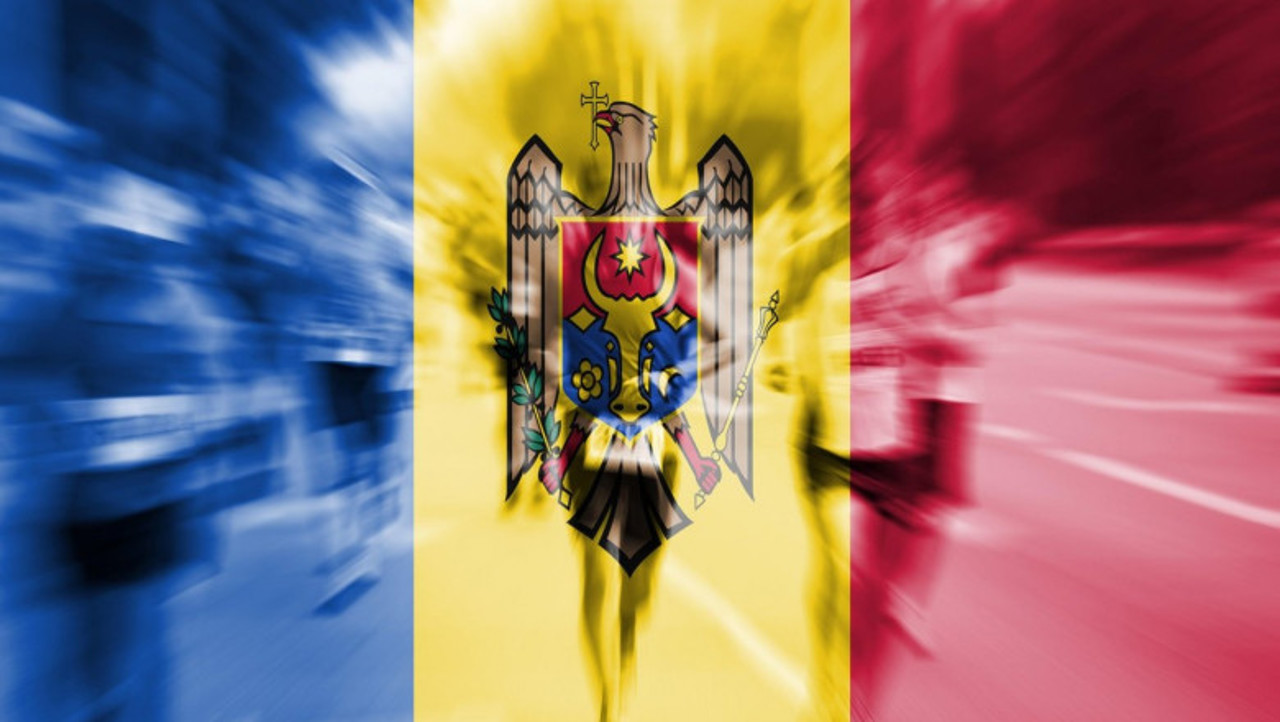
The Republic of Moldova has once again faced a coordinated wave of interference actions from the Russian Federation, which included manipulative statements, cyber attacks, and calls for street mobilization. According to President Maia Sandu, at least seven out of the ten methods of Russian interference have been employed. The authorities assure the public that they are taking all necessary measures to ensure the parliamentary elections this fall are conducted democratically, transparently, and in accordance with the law.
This morning, the Secretary of the Security Council of Russia, Sergei Shoigu, initiated a disinformation attack by accusing the government in Chisinau of intending to falsify the parliamentary vote through the diaspora. His claims were reported in a large article by Ria Novosti. In response, the Ministry of Foreign Affairs of Moldova firmly rejected these accusations, characterizing them as a tactic of the Russian Federation's information war aimed at influencing the electoral process and discrediting Moldovan communities abroad.
The Ministry emphasized that every citizen, including those from the diaspora, will have the opportunity to vote freely and without external influence. The Republic of Moldova reaffirmed its commitment to democratic values and rejected any external attempts to undermine the electoral process.
Similarly, the Central Election Commission condemned Shoigu's statement, assuring the public that rigorous security, monitoring, and verification measures are in place to ensure that each vote is accurately counted and reflects the voter's true choice.
Sabotaging the electoral process in the diaspora by diminishing citizens' participation is one of the ten tactics recently outlined by President Maia Sandu as part of Russia's strategy to influence elections in Moldova.
Another tactic includes cyberattacks on critical infrastructure. The Information Technology and Cybersecurity Service announced today that it has begun an investigation into a cybersecurity incident orchestrated by a foreign actor targeting government infrastructure. This investigation will also include an internal review of employees suspected of involvement in these sabotage attempts and cyberattacks.
Meanwhile, fugitive oligarch Ilan Shor, who is convicted of bank fraud and currently residing in Russia, declared that he would offer $3,000 salaries to individuals who protest against the government in Great National Assembly Square, starting on Saturday. He stated that demonstrations would continue "as long as it takes" to "remove" the party from power.
The Police responded by stating that Shor, as the leader of a criminal organization, seeks to engage citizens in illegal activities that may incite violence. Law enforcement officials cautioned that "participating in protests for promised payments" is a serious legal violation and urged citizens not to fall for these illegal offers to avoid becoming subjects of investigation.
Two weeks ago, President Maia Sandu warned that Moscow intends to undermine democracy and obstruct Moldova's European integration by employing ten primary tactics: electoral corruption and illegal financing (including approximately 100 million euros in cryptocurrencies); extensive information manipulation campaigns and personal attacks; paid protests; cyberattacks on critical infrastructure; involvement of the church in disinformation campaigns; challenges to the autonomy of Gagauzia and the left bank of the Nistru; and the radicalization of citizens through social media.
The authorities assure that state institutions are coordinating their efforts to prevent these attempts and protect democratic processes in the country.