Politico: EU may decide on September 1 to open Moldova’s first negotiation cluster
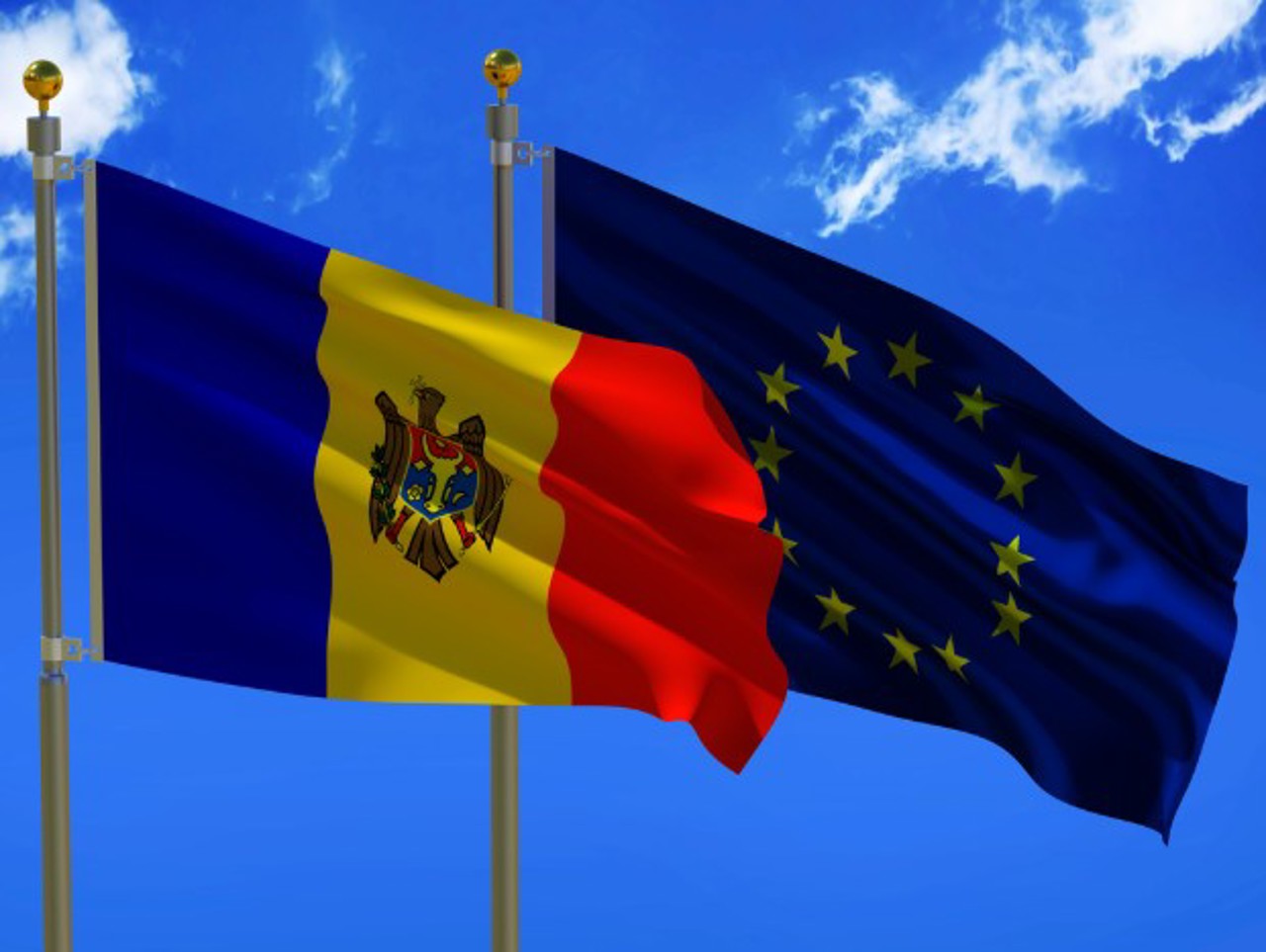
The European Union is considering the possibility of opening the first negotiation chapter, titled "Fundamental Values," with the Republic of Moldova in early September this year. This would represent a significant advancement in Moldova's accession process. If this occurs, Moldova would surpass Ukraine in the negotiation timeline for the first time, which may cause concern in Kyiv, according to Politico.
The opening of the first cluster of negotiations could be decided at a meeting of EU ministers scheduled for September 1, according to information confirmed by three diplomats and an EU official.
This decision, made before parliamentary elections, would provide a significant electoral boost to President Maia Sandu, whose party is campaigning on a pro-EU platform and faces strong efforts from Russia to influence the vote in Moscow’s favor, as noted by Politico.
“A way must be found to open the first chapter,” said Siegfried Mureșan, a conservative EU lawmaker who chairs the EU-Moldova Association Committee in the European Parliament. “It would send a signal to Russia. It would eliminate the argument of the Russian narrative, which claims that there is no progress on the path to EU accession.”
However, decoupling Moldova from Ukraine in the European integration process could create tensions with Kyiv.
“There is a danger of sending the wrong signal to Ukrainians. At a time when future peace in Ukraine is being discussed, we must maintain a strong prospect of EU accession,” a Ukrainian diplomat stated.
Both Moldova and Ukraine have undertaken “far-reaching reforms” to join the EU, fulfilling all necessary steps to open the first negotiating chapter, according to a European Commission spokesman. “There is no objective reason to block Chapter I,” the spokesman added in an emailed comment.
A strong message for Moldova
The challenge is that Ukraine’s application is currently blocked by Hungary, whose Prime Minister, Viktor Orbán, has made opposition to Kyiv’s accession to the bloc a key point in his re-election campaign next year.
Thus, while Moldova could gain unanimous approval from all 27 member states to open the first cluster of negotiations at the informal meeting of the General Affairs Council on September 1, Ukraine is unlikely to secure unanimous support.
Politico also notes that pro-enlargement countries, including Denmark, which holds the EU presidency, face a difficult decision. If they strictly link Moldova’s candidacy to Ukraine’s, they may hinder progress for both countries.
Allowing Moldova to move ahead before September 28 would send a strong message to pro-EU voters in Moldova, but it could also provoke anger among Ukrainians.
According to an EU diplomat closely monitoring the situation, several options are being considered to demonstrate progress for Ukraine, even if no negotiating chapters are formally opened. These options might include granting Kyiv access to the Horizon Europe program or the Erasmus student exchange program.
“There are many measures we can take to bring Ukraine closer to Europe outside of the formal negotiation process. The key is to keep moving forward and make it clear that Hungary’s opposition is not considered legitimate and that the real priority is to complete the process,” the EU diplomat stated.
A historic moment
Diplomats and officials have also emphasized that circumstances could change quickly, especially in light of the upcoming meeting between Donald Trump and Vladimir Putin in Alaska on Friday. If the leaders reach an agreement that establishes Ukraine’s EU membership as a crucial aspect, Trump might persuade Orbán to reconsider his opposition to Kyiv’s accession.
Supporters of maintaining a focus on both candidacies argue that Europe should not demoralize Ukrainians who are committed to joining the EU. They suggest that a better strategy would be to pressure Trump to compel Orbán to lift his blockade.
“This is a historic moment, and we must view the situation as a whole. EU membership is a crucial component of any peace agreement,” the diplomat added, as quoted by Politico.