The Moldovan diaspora: A family's journey home after 16 years abroad
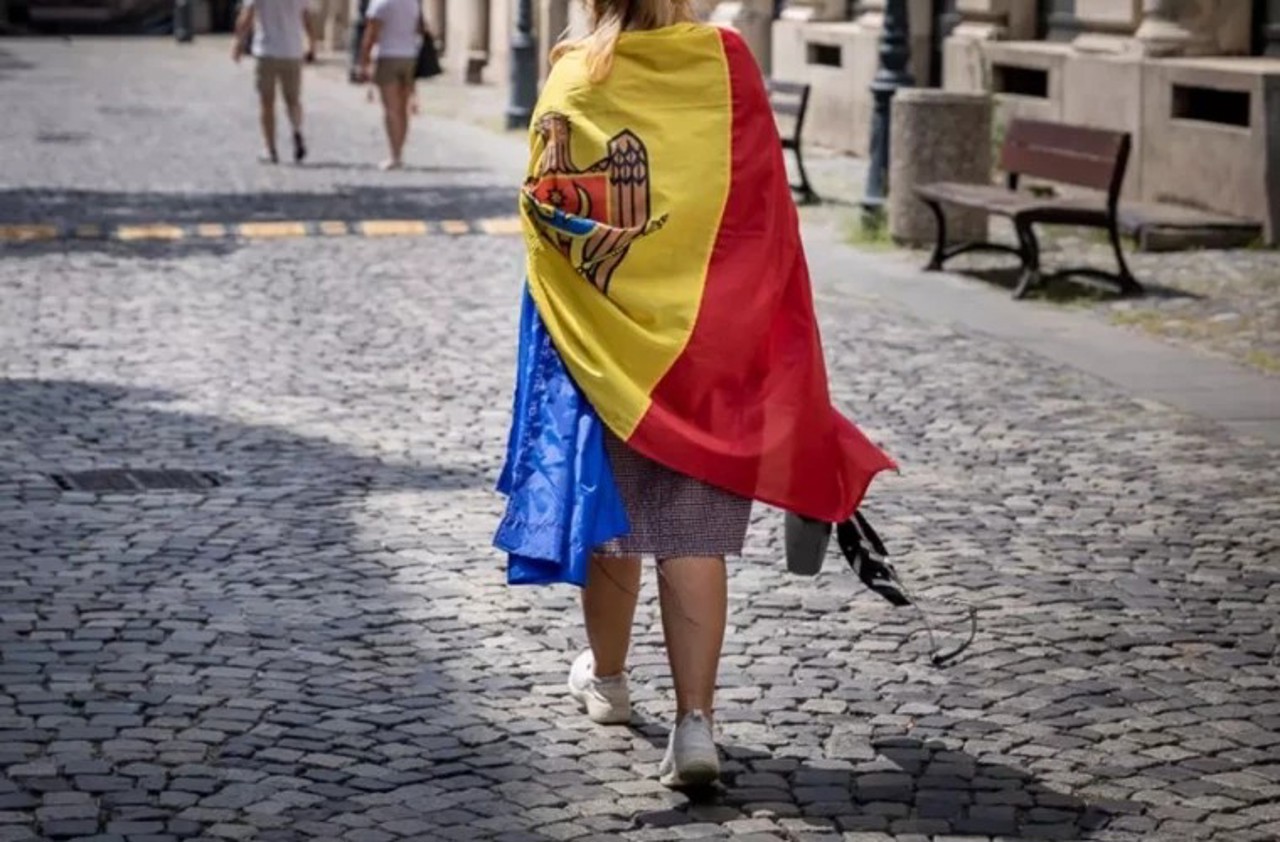
A growing number of Moldovans who have spent years abroad are choosing to return home.
After gaining a wealth of experience around the world, many feel their place is back in their native country. Among those is Doina Istrati, who, after living in China for nine years and Spain for seven, decided to return to her village of Slobozia-Dușca in the Criuleni district with her family.
Speaking on Radio Moldova’s ‘Zi de zi’ show, Doina said she had spent 16 years living abroad, with nine of them in China and seven in Spain. While a student at Moldova State University, where she was studying Chinese, she said she learned easily but never imagined she would ever live in that distant country. A scholarship from the Chinese government, however, changed her destiny.
“I didn’t have a computer or a phone in 2009. I spent hours in internet cafes. It was a shock. When I arrived, I discovered the immensity of the country and the simplicity of its ordinary people,” Doina said.
At first, the adjustment was complicated, especially as she had left at just 19 years old, far from her family. She says that in the small city in central China where she arrived, they were the only Europeans. "All the locals wanted to get in touch with us or take pictures."
After returning to Moldova to complete her bachelor's degree, Doina went back to China with other classmates for her master's. “The university told us: ‘You were straight-A students, and we will accept you for your master's without any other test.’ There was also a larger scholarship, which allowed us to live there.”
The years spent in China meant maturing and gaining financial independence. “I would walk down the street and just hear the Chinese whispering: ‘Look, that's Doina from Moldova.’” Because few people knew where Moldova was, she and other students organised presentations about Moldova and even performed traditional dances in folk costumes.
It was also in China that she met her future husband, who is from Spain. After a disappointing experience at a Chinese company, the two decided to move to Spain together. However, adapting was not any easier. “It was another culture shock. Locals are quite reserved with people who don't speak Spanish. Very few spoke English, so I had to learn the language.”
Life in Spain didn't suit her, and the birth of her children coincided with the decision to return home to Moldova. “I had to quit my job there to take care of the kids. Without my parents or family nearby, only my husband was working. In January of this year, I said: ‘Let's drive to Moldova.’”
The return home brought both challenges and rewards. “I had some disappointments, and I wondered if I should have taken this step, but I had prepared myself emotionally.” Now, the family is renovating her grandparents' house and preparing to settle in the village permanently. “My husband is happy, and the children are connected to life in the countryside.”
Doina says she is part of an increasingly visible trend: the diaspora returning home. “I'm glad to be part of this movement. I hope my children will learn to adapt to some of the things they won't find in Spain.”
Translation by Iurie Tataru