Moldova's economy faces stagnation 34 years after independence

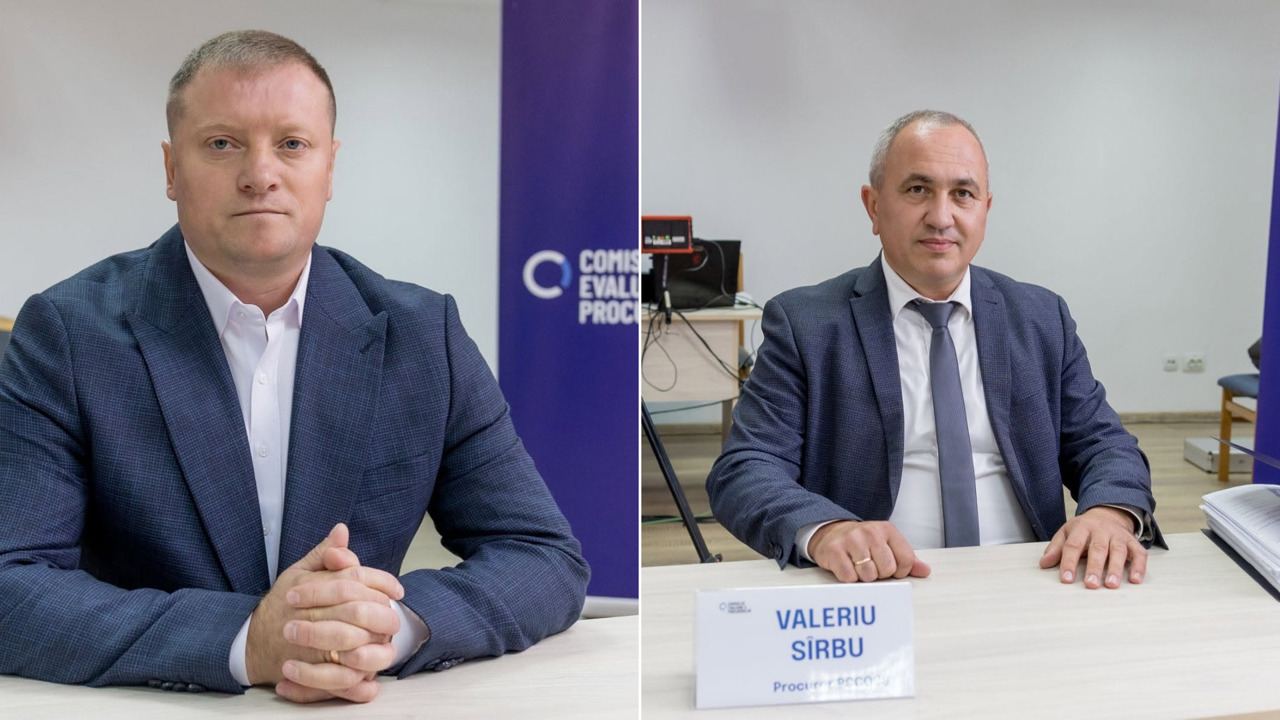
Moldova's economy is undergoing a slow recovery 34 years after independence, facing challenges in its industrial and agricultural sectors. The sectors have been affected by regional instability and mass migration, according to economist Veaceslav Ioniță.
A notable improvement, however, is the average salary, which is now more than double what it was in the early 1990s. He projects the country's GDP will grow by 3% this year, up from the 0.6% average of the last six years.
The Republic of Moldova's Gross Domestic Product (GDP) could reach over 348 billion lei by the end of this year, an increase of about 24 billion from 2024, explains economic expert Veaceslav Ioniță. Still, it remains below the 1991 level.
"For 65 years, Moldova's GDP grew annually by an average of 2%, while the global average was 3.5%. Between 1991 and 1999, the economy shrank by about 11% per year. Over the last six years, the average growth was only 0.6%, the most modest in the last two decades. In 2025, optimism may lead to a 3% growth, but that still means we are essentially treading water," the expert emphasised.
The average salary for Moldovans has grown significantly. It is now more than double what it was in the early '90s and about 40% above the Soviet-era level, which points to an improved standard of living. However, mass migration continues to weaken the country's development potential, the economic expert notes.
Salaries on both banks of the Dniester were almost identical until 1995, and those on the left bank were higher until 2016. However, the situation has reversed since 2017. Currently, the average salary on the right bank is at least 15,800 lei, while on the left bank it barely reaches 7,200 lei," Ioniță added.
The industrial sector remains one of the most vulnerable. For 2025, a modest growth of 2.5% is projected, with production levels at only 73% of what they were in 1991. After the Declaration of Independence, industry declined by about 12% annually until 1999, then slowly recovered between 2000 and 2019, growing at about 4% a year. Recent crises have reversed this trend, and since 2020, industry has been declining by 1.3% a year.
According to Veaceslav Ioniță, the last three years have been particularly difficult for agriculture. Economic crises, droughts, and a lack of a coherent strategy have led to an average annual decline of 2.8%. For 2025, a new setback of about 5% is estimated, which would erase the gains from 2021 and highlight the long-term stagnation of the Moldovan agricultural sector.
Translation by Iurie Tataru