EU to keep frozen Russian assets until Ukraine reparations paid
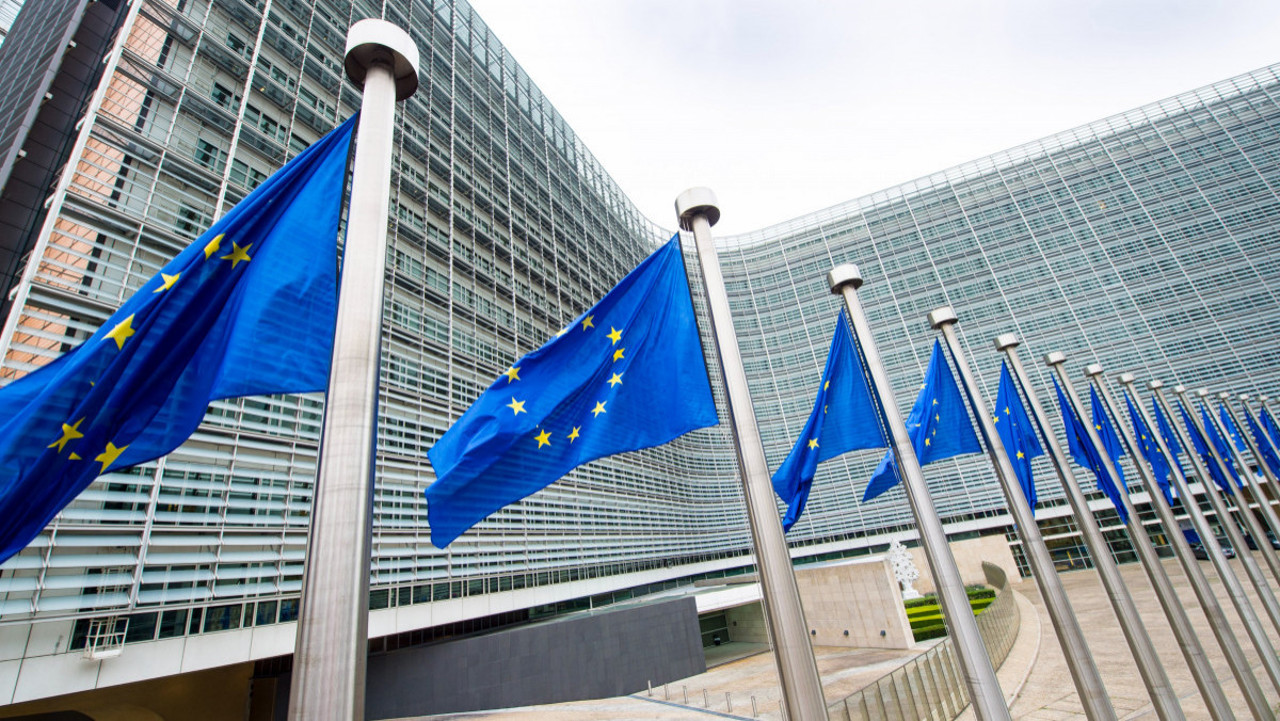
Russia’s frozen assets will not be returned unless Moscow pays war reparations to Ukraine, a senior EU official has said.
However, the move is opposed by the Franco-German alliance. Separately, the bloc's defense ministers have agreed that Russia can only be stopped by force and that pressure on President Putin must be intensified. European Commission President Ursula von der Leyen has announced a fivefold increase in the EU’s military budget.
Russia has an estimated €210bn (£178bn; $228bn) in assets frozen in EU countries. The interest earned on the assets has already been transferred to Ukraine. While most governments support the idea of confiscation, France, Germany, and Belgium are against it, arguing there is no legal basis for such a decision.
"We cannot imagine these assets being returned to Moscow in the event of a truce or peace agreement while it has not paid reparations," said EU diplomatic head Kaja Kallas. "We see that Russia does not want peace, despite many diplomatic efforts to bring President Zelensky and Moscow's representatives to the negotiating table."
"We must increase pressure on Putin. It's clear that he's just trying to buy time and distract from the continuous attacks on civilians, infrastructure, and, most recently, on the EU delegation in Kyiv," said Denmark’s Defense Minister Lars Lokke Rasmussen.
President von der Leyen met with the Estonian Prime Minister at Amari Air Base near Tallinn.
"We are not under any illusions," stated Estonian Prime Minister Kristen Michal. "Russia can only be stopped by force and unity. For them, politeness signals weakness, and they exploit it." He added, "Sanctions, which they claim to be immune to but which they clearly detest, are a first step, with transatlantic unity being the second. Europe is performing better now and is stronger than it was six months or a year ago."
"The Commission will unveil the roadmap for Readiness 2030," said Ms von der Leyen. "In parallel, we must strengthen Ukraine's defenses. And, in the long term, the new, modern European budget we have proposed will place a strong emphasis on defense. Defense investments will be five times higher."
Readiness 2030 is Europe's rearmament plan, which makes up to €800bn available to governments through loans and a relaxation of the budget deficit for military spending.
Translation by Iurie Tataru