National Culture Fund expands list of eligible beneficiaries
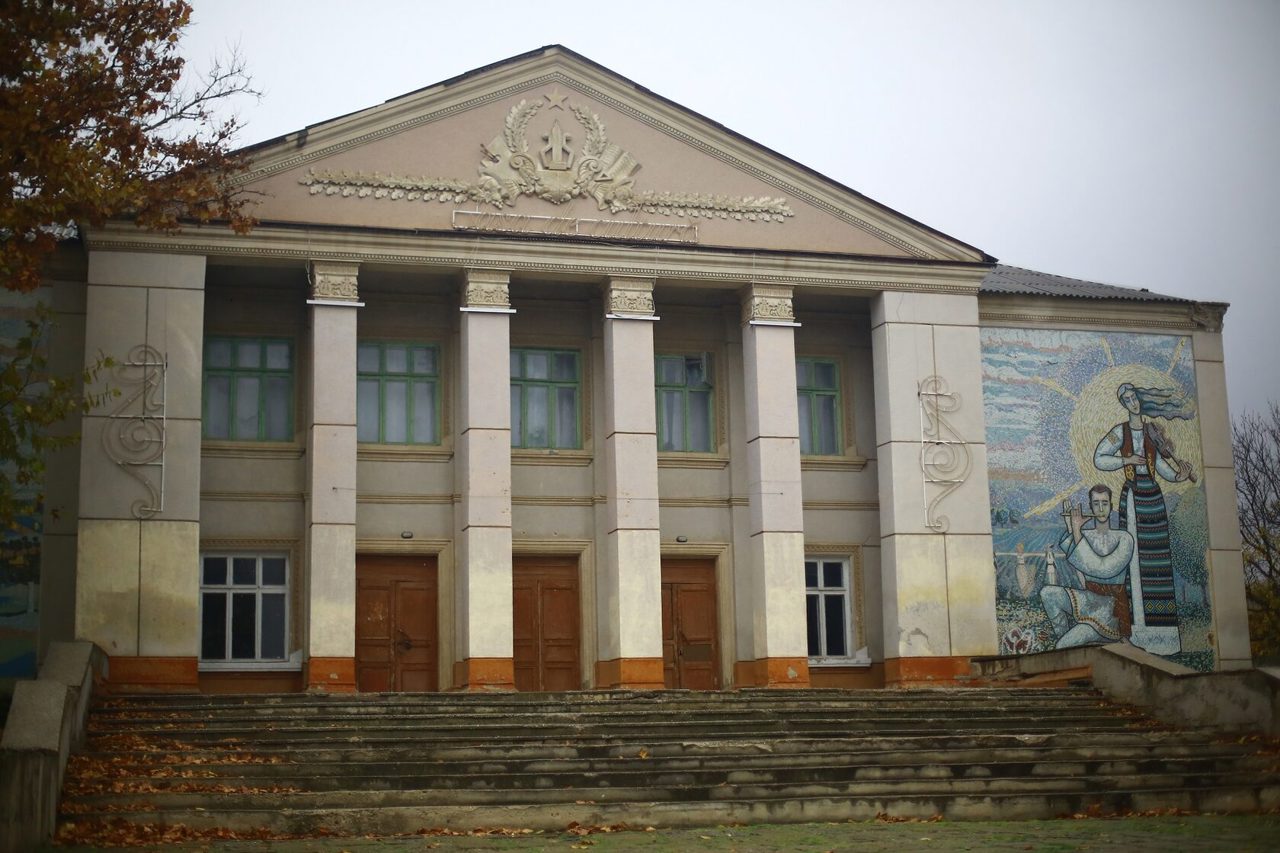
Independent artists, creative individuals, cultural organizations, and local public authorities can now access financial support from the National Fund for Culture for projects and programs related to artistic residencies and cultural mobility. This expansion of eligible entities is outlined in new regulations approved by the Government on September 3.
Local public authorities will have the opportunity to enhance their institutional capacities in organizing competitions, managing projects, and monitoring their implementation, thereby becoming active participants in the cultural life of their communities.
One of the primary objectives is to promote contemporary creation, cultural diversity, and international cooperation. The regulation also establishes a framework for strengthening partnerships between public institutions, non-governmental organizations, and cultural entities from other countries, facilitating integration into European and international cultural networks.
The National Fund for Culture has a budget of 30 million lei for this year, which is managed by the National Office for the Development of Culture. From this budget, approximately 9 million lei will be allocated for a support scheme dedicated to residency and artistic mobility projects over the next three years. The maximum funding for each project is 200,000 lei, awarded in two installments: 80% at the beginning and 20% after the submission of the final report.
Competitions will be held annually, and project evaluations will be based on specific criteria: cultural importance and impact, artistic quality, budget relevance, and the degree to which they promote inclusion and gender equality. To win, proposals must score at least 60 points. Recipients will be required to submit both narrative and financial reports. Misuse of funds will lead to a requirement to return the funds and exclusion from future competitions.
Culture Minister Sergiu Prodan stated that this document was developed following consultations with artists, cultural organizations, and civil society, addressing a real need within the community.
"The development of this regulation was informed by the experiences gained from previous cultural project competitions and, particularly, by the requests and recommendations from the associative sector. These highlighted the need for a clearer, more efficient, and transparent framework to support artistic residency and mobility initiatives, tailored to the current realities and needs of the cultural community," emphasized Sergiu Prodan.
On Tuesday, September 2, the Republic of Moldova signed an Accession Agreement to the European Union's "Creative Europe" program, marking a significant step in the country's European integration process. The Minister of Culture, Sergiu Prodan, and European Commissioner for Intergenerational Equity, Youth, Culture, and Sport, Glenn Micallef, signed the document. Starting January 1, 2026, this program will be accessible to artists and cultural organizations from the Republic of Moldova.
By joining the "Creative Europe" program, the Republic of Moldova sends a strong message to the entire continent that its culture is an integral part of European culture, according to European Commissioner Glenn Micallef, who is currently visiting Chisinau.