Moldova elections: Orthodox clergy told to avoid political interference
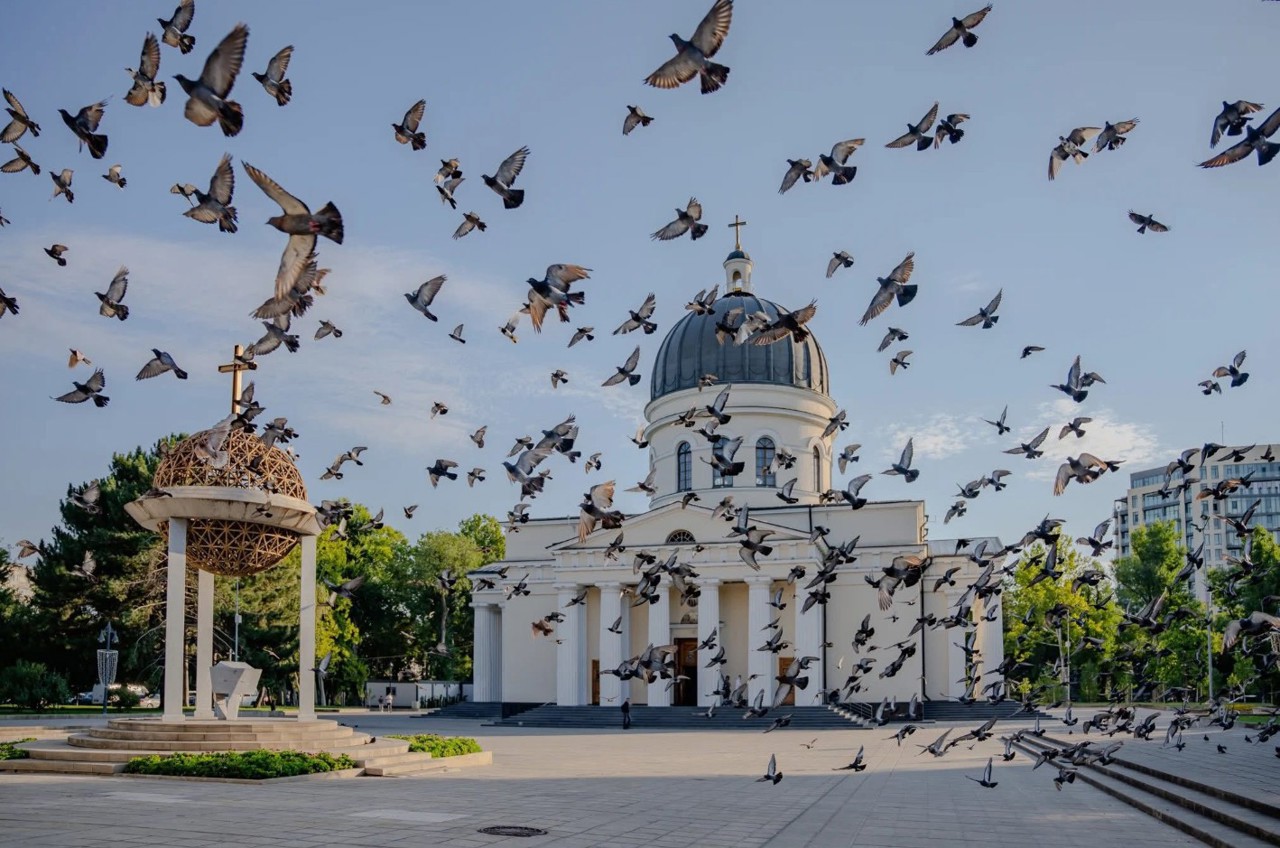
Clergy in Moldova are being warned against political involvement ahead of the upcoming parliamentary elections.
The move comes as both the Russian and Romanian Orthodox churches issue separate calls for priests to avoid influencing voters. This follows reports of Russian-affiliated priests being paid to campaign in the country, raising concerns about external interference in the Moldova elections.
Metropolitan Vladimir of Chișinău, under the Moscow Patriarchate, is urging priests not to get "involved in political games" aimed at swaying voters ahead of the parliamentary elections on September 28. In a separate announcement, the Metropolitan Synod of the Metropolis of Bessarabia, which is part of the Romanian Orthodox Church, reiterated its long-standing rule that forbids bishops, priests, deacons, and monks from engaging in partisan politics, being members of a political party, or running for office or participating in electoral campaigns.
Election day "should be a day of unity"
After several instances of priests from the Metropolis of Moldova being filmed engaging in political agitation in churches—including during last autumn's elections and by collecting signatures for electoral candidates—Metropolitan Vladimir issued a statement on Thursday, September 4. He reminded the clergy that the pulpit is a place for "spreading the Word of the Gospel, and no other message or appeal that could divide and disturb society should be heard from there."
"We call on the clergy of the Metropolis of Chișinău and All Moldova not to be manipulated or involved in political games, to abstain from political propaganda, and to urge their parishioners to exercise their right to vote freely and consciously, knowing that they are participating in shaping the future of our country," the Metropolitan's message states.
According to the head of the Russian church in the Republic of Moldova, September 28, 2025, will go down in history as "a very important day for our future."
"Therefore, we urge you to think carefully and pray to the Lord with hope that He will guide all of us to make a wise choice so that this day may be one of unity, not of division," Metropolitan Vladimir emphasized.
The Romanian Church reaffirms neutrality in politics
On September 1, the Metropolitan Synod of the Metropolis of Bessarabia, which is subordinate to the Romanian church, reaffirmed its stance on clergy involvement in political life. It reminded them of the synodal decisions of the Romanian Orthodox Church (1996, 2000, 2004, 2008, 2016, and 2020), which forbid bishops, priests, deacons, and monks from engaging in partisan politics, being members of a political party, or running for office or participating in electoral campaigns.
"The Synod stressed that this rule is mandatory and strictly observed within the Metropolis of Bessarabia. It also reaffirmed that the Romanian Orthodox Church in Bessarabia does not support any political party. Instead, it urges believers to exercise their civic right in a spirit of responsibility, promoting the common good and Christian values," a press release from the Metropolis of Bessarabia reported.
Moscow pilgrimages and electoral agitation
It is a well-known fact that during the presidential elections and the referendum on European integration in the autumn of 2024, the Russian Federation also relied on the involvement of priests to prevent the re-election of Maia Sandu as head of state and the inclusion of the European integration objective in the Constitution of the Republic of Moldova.
The press has documented suspicious pilgrimages to the Russian Federation by hundreds of priests from the Metropolis of Moldova, who were allegedly to be paid $1,000 each on "MIR" cards. These pilgrimages continued after the elections, but to pro-Moscow states in Europe.
Last autumn, Bishop Marchel of Bălți and Fălești was fined 3,500 lei for electoral agitation in a church in favor of candidate Victoria Furtună, shortly after returning from one of these "pilgrimages."
The priests' trips were funded by the "Evrazia" organization, an affiliate of Ilan Șor, who was sentenced to 15 years for his role in the "billion-dollar bank fraud."
The church’s involvement in the electoral campaign is one of ten tools the Russian Federation is using to try and subvert the results of the September 28 parliamentary elections, President Maia Sandu warned after the last meeting of the Supreme Security Council, which took place on July 30.
Translation by Iurie Tataru