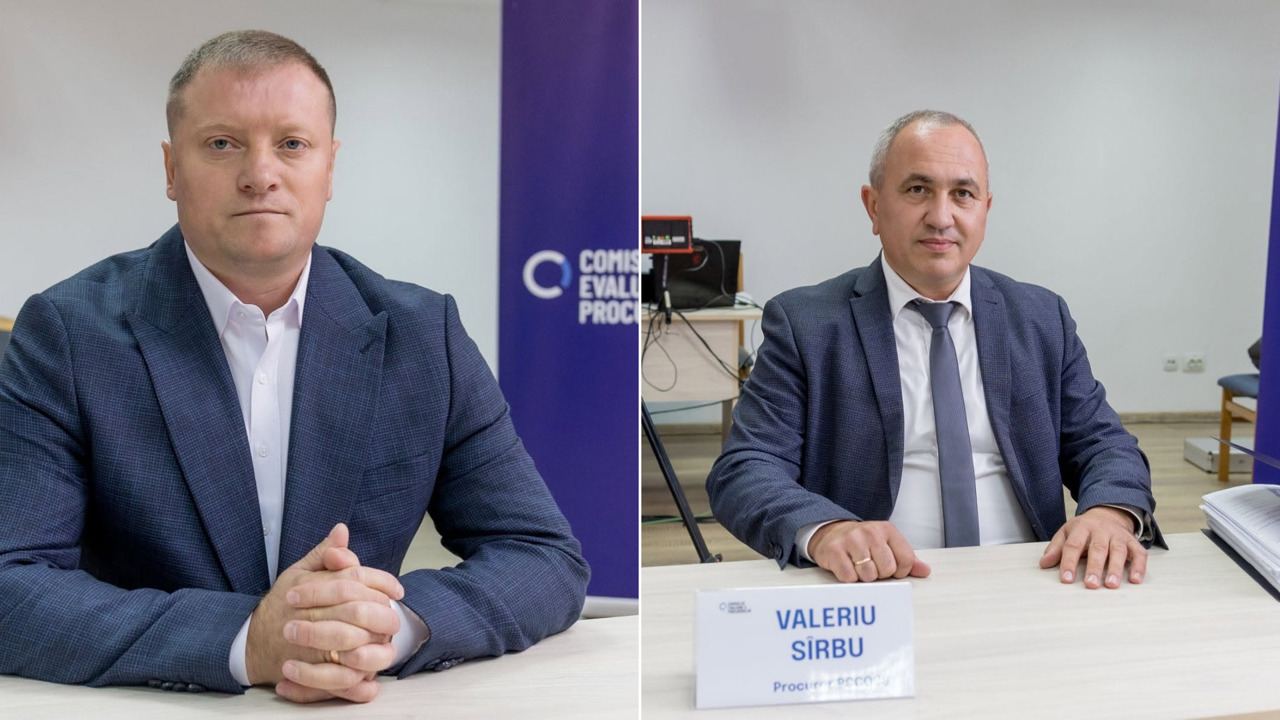
Moldova elections: Political parties unveil social policy pledges
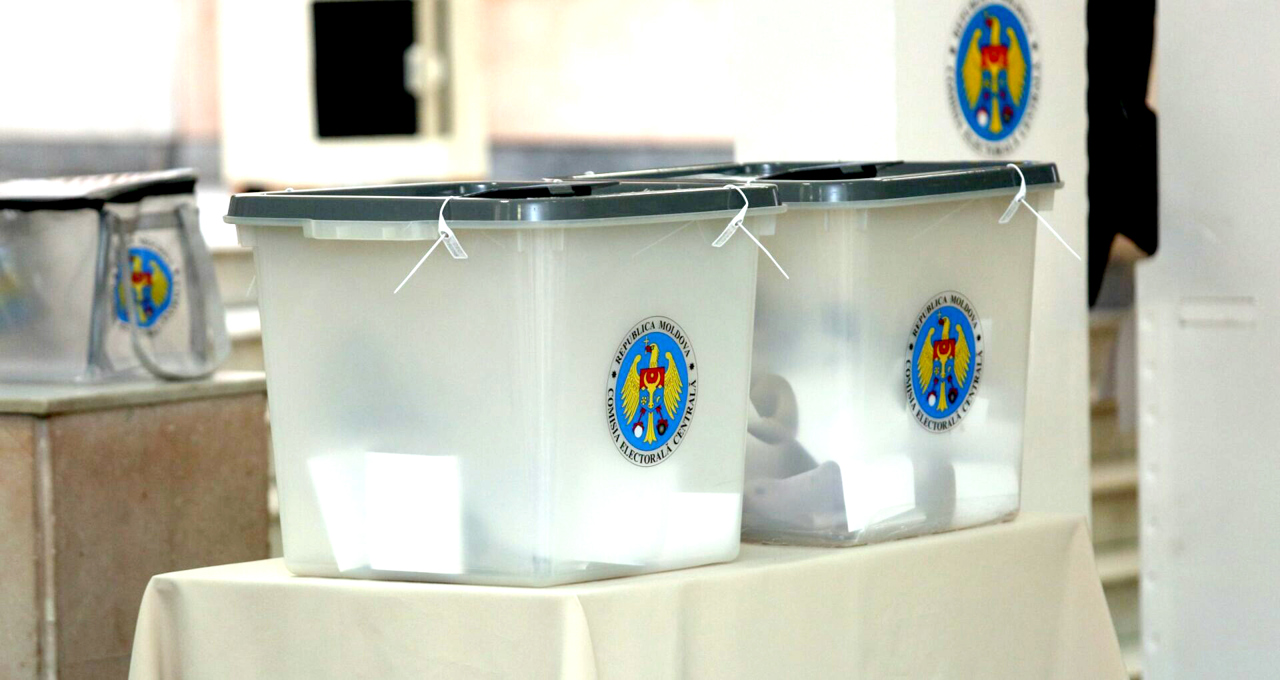
Political parties, electoral blocs, and independent candidates have launched their campaigns for the upcoming 28 September parliamentary elections, with diverse proposals for the social sector.
The list of promises is extensive, covering everything from increased pensions, social housing, and new nurseries to doubled scholarships for young people, support for the diaspora, and investments in sport and culture.
PAS: 25,000 homes, 1 billion lei for sport, doubled scholarships, and grants for young people
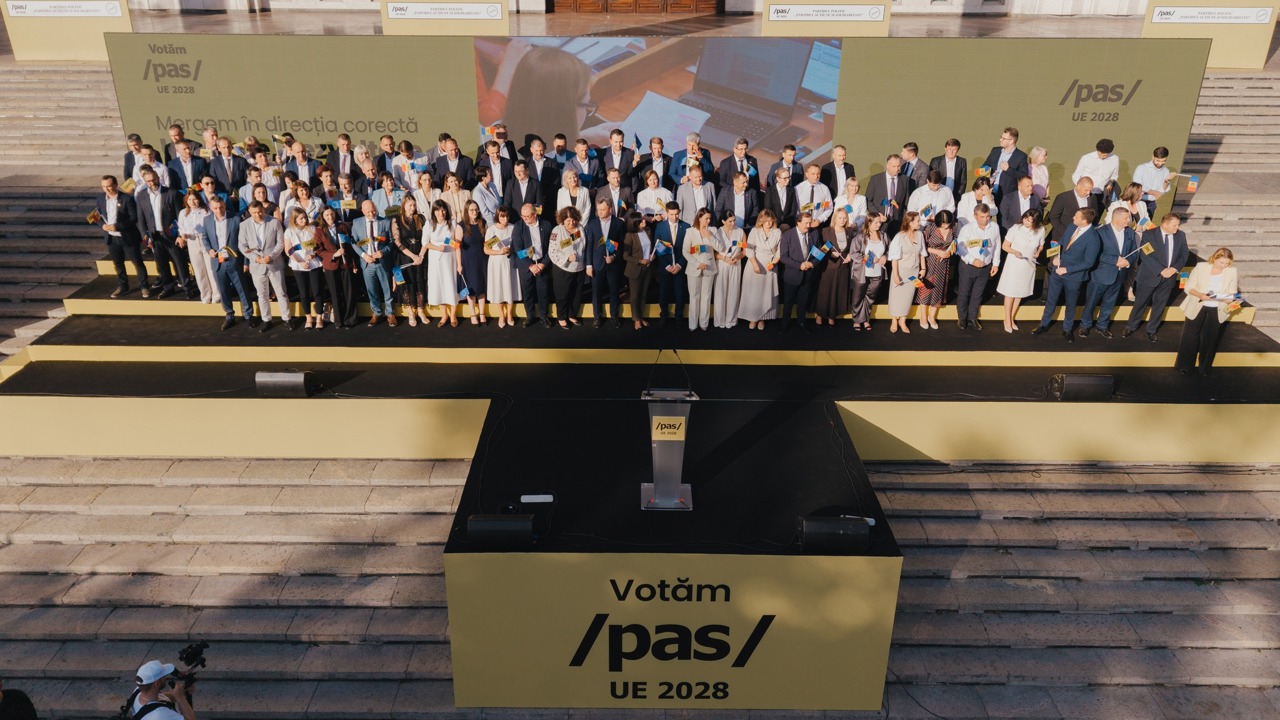
The Party of Action and Solidarity (PAS) proposes creating 100,000 jobs and doubling the number of childcare centres over the next four years, with families with three or more children set to receive additional support. In the real estate sector, plans include the construction of 25,000 apartments and the expansion of the "First Home Plus" programme. Minimum and average pensions would be constantly increased, and people born before 1945 would receive a special supplement. For sport, PAS proposes an annual budget of 1.6 billion lei for infrastructure, with the goal of qualifying 50 athletes for the 2028 Olympic Games and doubling the population's participation in physical activities. For young people, PAS has noted in its parliamentary electoral platform the doubling of scholarships, more grants and paid internships, as well as the expansion of the "Start for Young People" programme.
The Democracy at Home Party has not made its electoral platform public and refused to present it to Teleradio-Moldova.
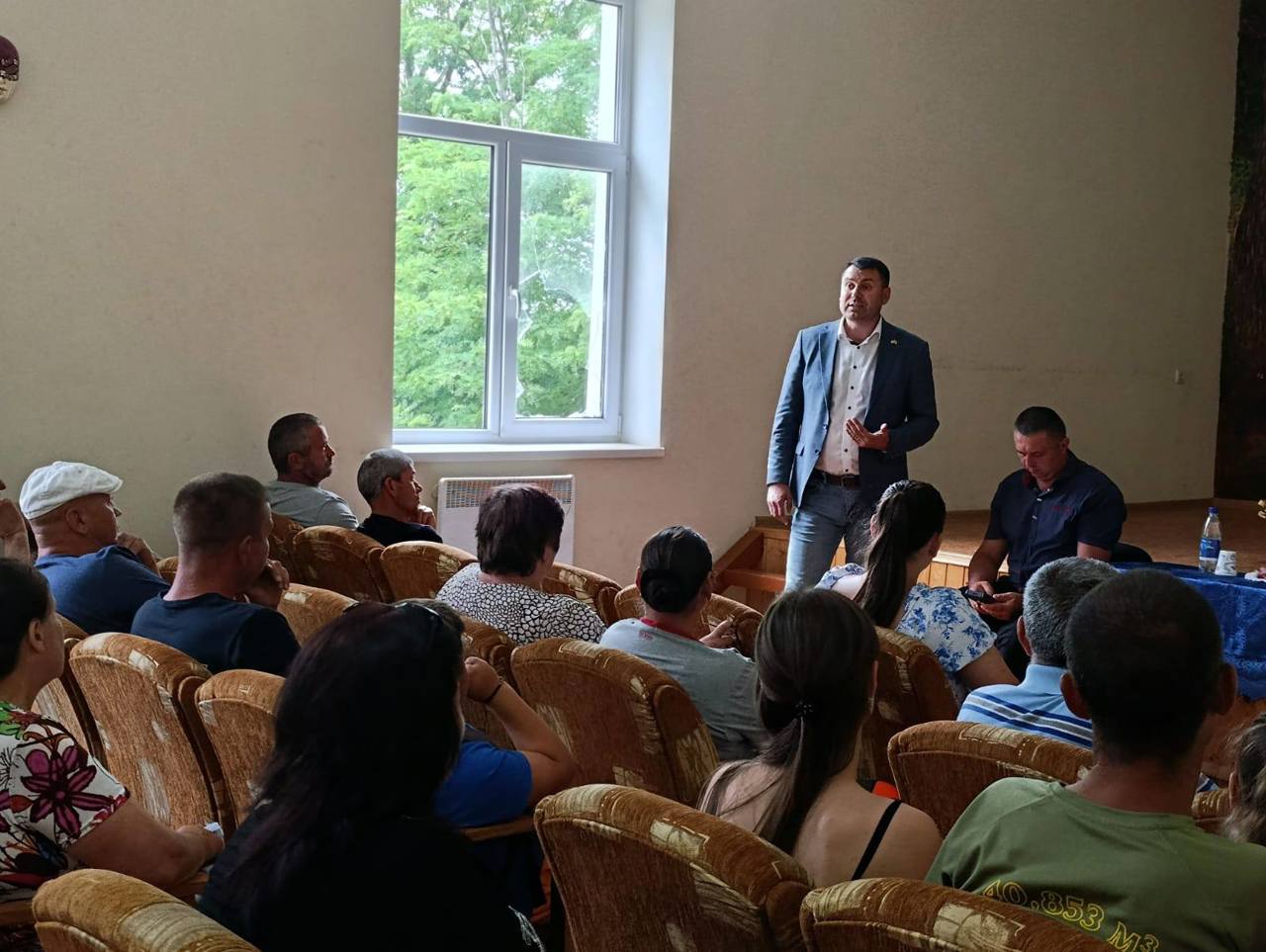
CUB: Modern medical services, support for migrants, and investments in culture and sport
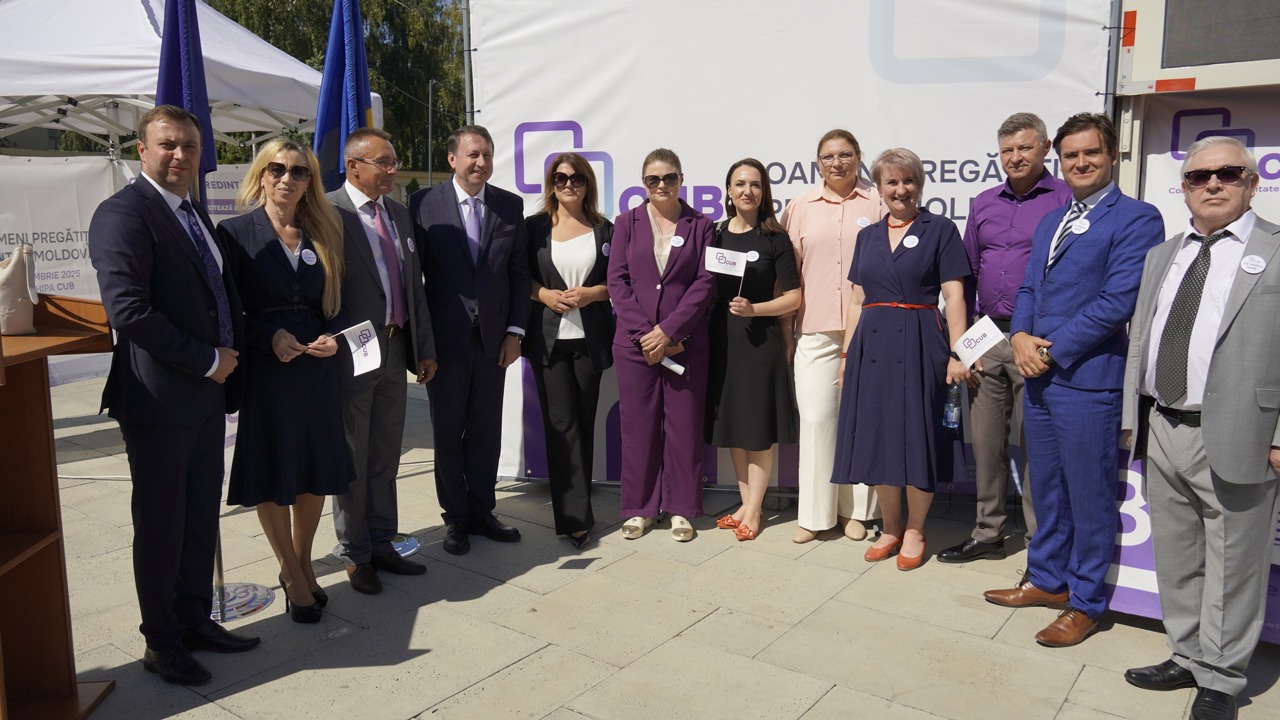
The Coalition for Unity and Welfare (CUB) proposes measures aimed at supporting vulnerable groups and promoting inclusion. The announced projects include value vouchers for pensioners and disadvantaged families, free access to public and private medical services covered by the National Health Insurance Company, as well as a national telemedicine system with cabins in every village and mobile diagnostic clinics. In education, funding would increase from 5.5% of GDP in 2025 to 8% by 2030, and itinerant teachers are being considered for rural areas, along with the implementation of the "Rural Erasmus Moldova" programme. Additionally, the party proposes the development of cultural tourism through at least 10 thematic routes, the restoration of monuments, and the launch of the "Mobile Sports Programme" for children in localities without sport infrastructure.
Năstase: Higher pensions, price caps, and subsidised housing for the diaspora
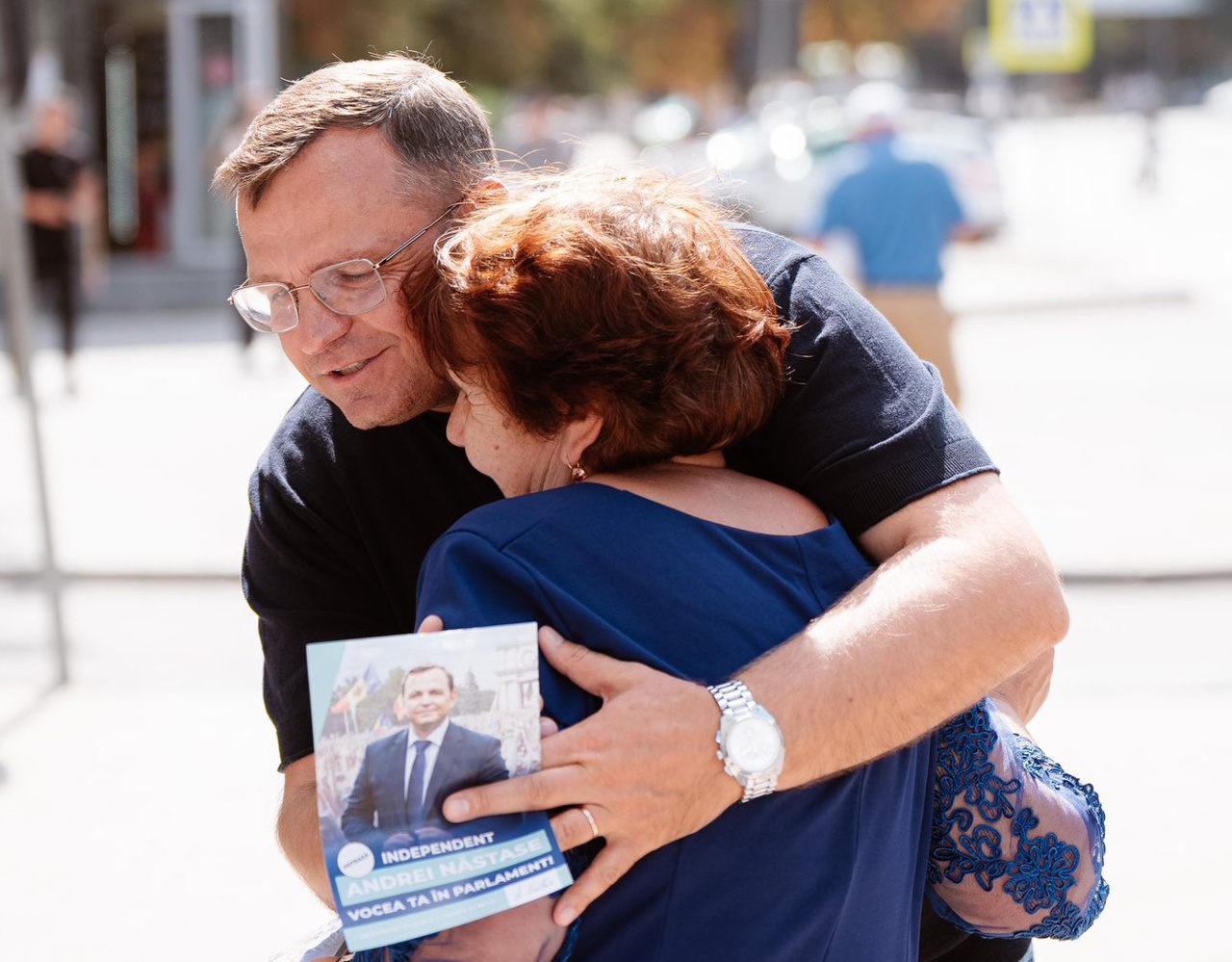
Andrei Năstase centres his social platform on decent pensions, family protection, and support for citizens returning from abroad. He proposes amending the Constitution to guarantee a minimum living wage, capping prices on basic food and medicines, as well as a new monopoly law to combat price increases. Pensions and salaries would increase, and the retirement age for women would be reduced to 60, with benefits for mothers with many children. Năstase promises that 18% of the budget will be directed toward social protection. For the diaspora, the "My Home at Home" programme provides subsidies of up to 25% of the home's value, capped-interest mortgage loans, and digital platforms for professional retraining and employment for returnees.
ALDE: Higher salaries, vouchers for young people, and support for veterans and families
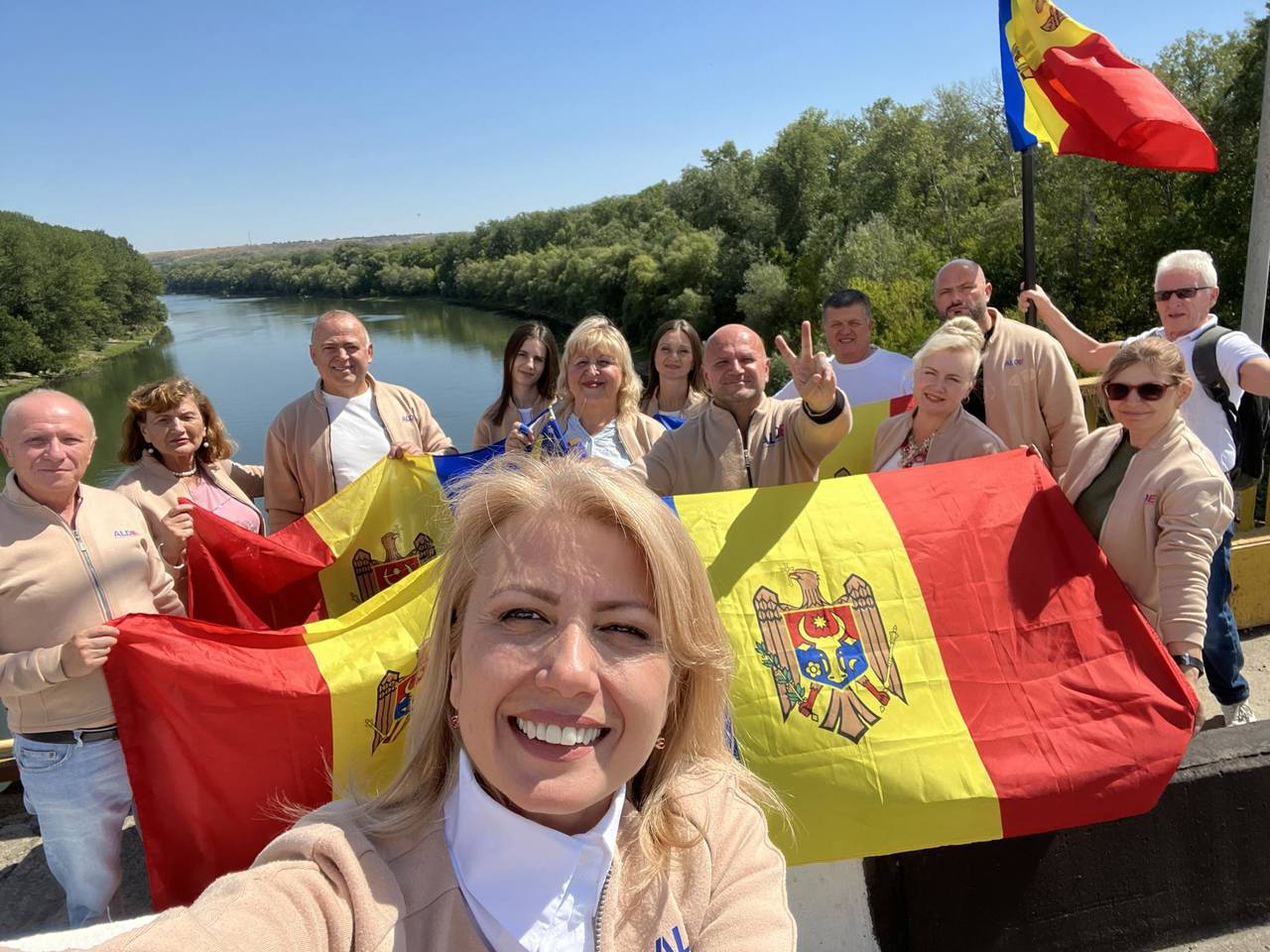
The Political Party Alliance of Liberals and Democrats for Europe (ALDE) proposes a social programme with an emphasis on protecting the vulnerable, supporting young people, and integrating people with disabilities. The party promises to increase the minimum wage to 8,000 lei and the average wage to over 20,000 lei by 2029, as well as 50% subsidies for employers who integrate people with disabilities and 40,000 jobs through grants for SMEs. Veterans would receive an additional pension of 1,500 lei, social housing, and priority access to medical services. Young people would benefit from 200,000 vouchers annually for analyses and psychological counselling, and the "Health and Responsibility" course would be introduced in schools for 400,000 students.
Olesea Stamate: "Civic Detectives" against vices and facilities for the Diaspora
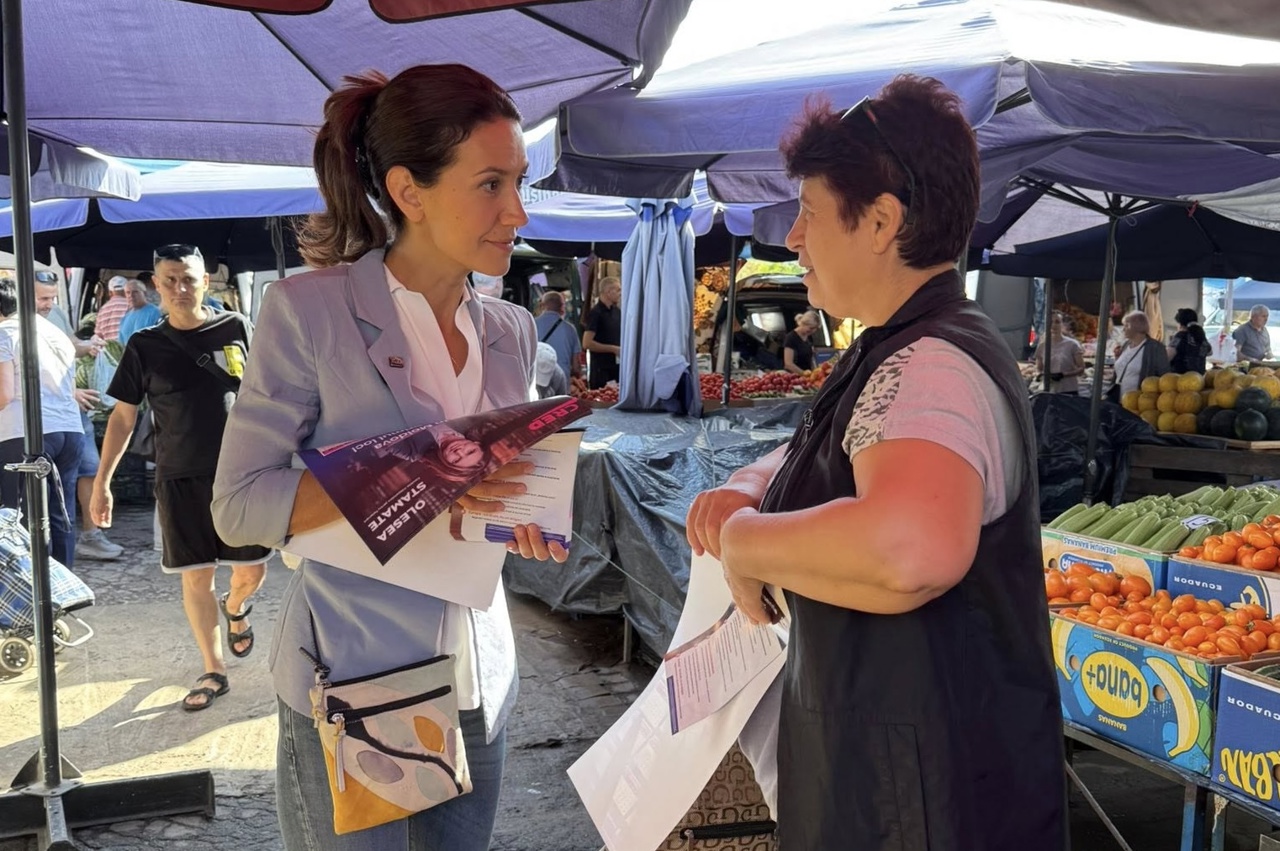
Olesea Stamate's social commitments centre on supporting young people, families, and the diaspora. She proposes the introduction of a mandatory "Health and Responsibility" course in schools, which she says would reach about 200,000 young people annually, with lessons on nutrition, mental health, and disease prevention. To combat vices, a pilot project would be launched where adolescents aged 15-18 would become "civic detectives," reporting the sale of alcohol and tobacco to minors in exchange for rewards. In support of the diaspora, Stamate proposes a one-stop shop and a hotline, as well as raising the ceiling for parcels to 300 euros, along with professional retraining programmes and the recognition of qualifications obtained abroad.
PSDE: National crisis response fund, social housing, and the "Brain for Moldova" Programme
The European Social Democratic Party (PSDE) aims to reform social assistance with depoliticisation, digitalisation, and a National Crisis Response Fund. The electoral platform provides for the expansion of community centres, in-home care services for the elderly, and equitable access to personal assistants for people with disabilities. Families would benefit from multifunctional centres, public childcare centres in localities with over 2,000 inhabitants, parenting education programmes, and simplified adoption procedures. PSDE also promises social and protected housing, as well as the redevelopment of 100,000 older homes. Young people would have scholarships to top universities through the "Brain for Moldova" programme, protected housing, psychological support and mentoring centres, as well as opportunities for professional training and reintegration into the labour market.
PNM: Pensions like in Romania, tax exemptions for families, and daily sport in schools
The Moldovan National Party (PNM) proposes a social programme that for the coming years aligns with the Romanian model. Minimum and contributory pensions would be harmonised with those in Romania, and active pensioners will be exempt from the medical policy. Families will benefit from allowances up to the age of 18 at the same level as those in Romania, tax exemptions from the second child, and free state childcare centres for children aged 0-3. The electoral platform also provides for service housing for doctors and teachers, the complete digitalisation of social services, and support for young people returning from the diaspora. Culture and sport will receive major investments: a new Philharmonic, the restoration of the "Vasile Alecsandri" Theatre, the "Museum of the Soviet Period," and a mandatory daily hour of sport in schools, plus sport vouchers for children.
"Respect Moldova": 5,000 Lei pensions, family support, and a national fund for young people
The "Respect Moldova" Movement Party proposes a social programme focused on the protection of vulnerable people, families, and young people. The party promises a minimum pension of 5,000 lei indexed annually, as well as increased allowances for mothers, children, and people with disabilities. Young families would benefit from one-time allowances at birth, from 22,000 lei for the first child up to 42,000 lei for the third and subsequent children. The party also proposes the creation of a National Fund for social housing and a special package for lonely elderly people. Veterans would receive 5,000 lei per month and free spa treatment once every two years. For young people, the programme provides interest-free loans for businesses, grants, subsidised coworking, and a National Fund for initiatives, along with investments in culture, sport, and heritage.
BEP: Pensions of 6,000 Lei, birth allowance of 50,000 Lei, and scholarships of 5,000 Lei
The "Patriotic Bloc of Socialists, Communists, Heart, and Future of Moldova" (BEP) proposes a social programme focused on the protection of vulnerable people, support for families and young people. The party promises a minimum pension of 6,000 lei, indexation of allowances twice a year, and a reduction in the retirement age to 57 for women and 62 for men. Families would receive a one-time allowance of 50,000 lei at the birth of a child, tax exemptions for parents, and free access to in-vitro fertilisation. The programme also provides for a kindergarten and a school in every locality, 5,000 lei scholarships for students, housing for young people, community centres, and sport infrastructure in every village, as well as the promotion of traditional values and Orthodoxy.
"Alternativa" Bloc: Capping tariffs, family support, and housing for young people
The "Alternativa" Electoral Bloc proposes a social programme with an emphasis on citizen protection, family support, and equal opportunities for young people. The party promises the adoption of the "Law of Life," which will cap communal utility expenses at 10% of the average salary, index pensions, and increase the health budget to 5.5% of GDP. Families would benefit from the "First Child" programme, increased birth allowances, subsidies for in-vitro fertilisation, and tax deductions for child education. For young people, "Alternativa" promises double tax exemptions until the age of 35, youth centres in every district, social scholarships, and the "Moldova Start-Up Youth" programme. "Alternativa" also announces upgraded housing for students and massive investments in culture and heritage.
"Împreună" Bloc: 6,000 Lei pensions, 25,000 Lei birth allowance, and 10,000 social homes
The "Împreună" Electoral Bloc proposes a social programme focused on the protection of vulnerable groups, support for families, and opportunities for young people. The party promises a minimum pension of 6,000 lei, indexed twice a year, and supplements of 2,000 lei for low-income pensioners. Families would receive one-time allowances of 25,000 lei at the birth of a child and increased monthly allowances, while the VAT for children's products will be reduced. The electoral platform of the "Împreună" Bloc also provides for the construction of 10,000 social homes, the creation of 150,000 jobs, and grants for young entrepreneurs. Culture and sport will benefit from special funds for infrastructure, and community centres will support children, the elderly, and people with disabilities.
Translation by Iurie Tataru