Russian soldiers with HIV and hepatitis separated into special units in Ukraine
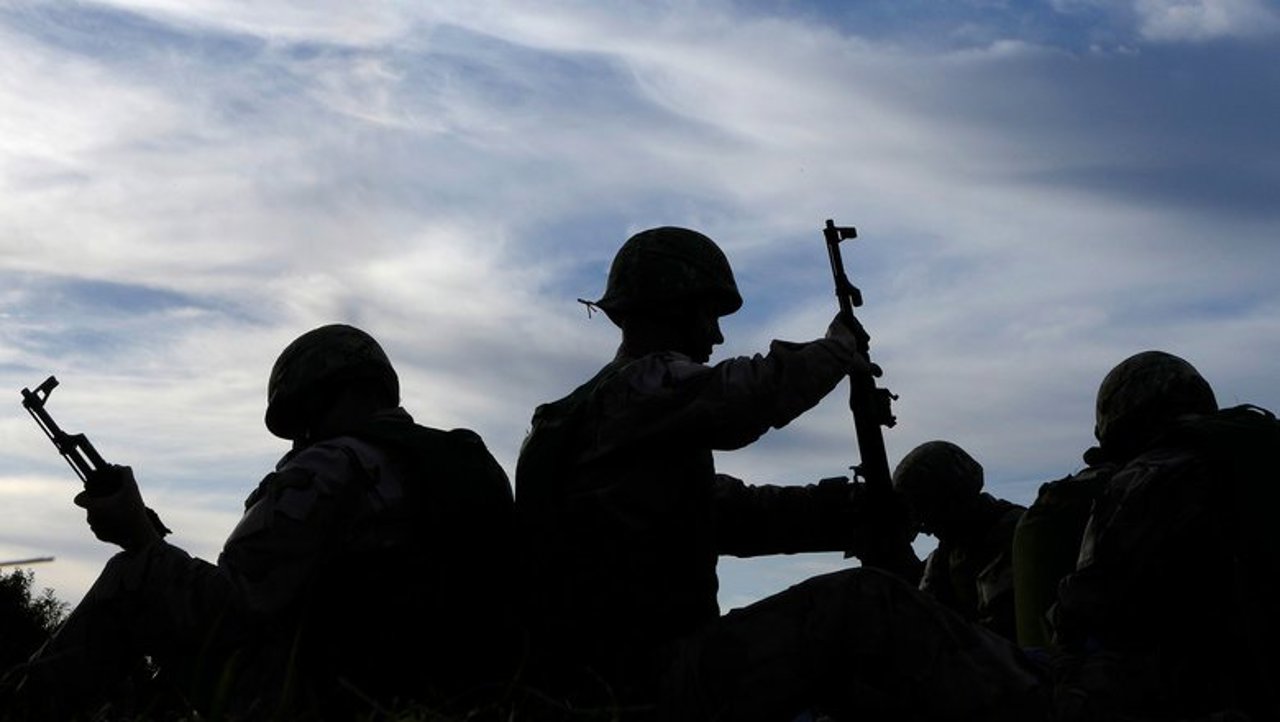
An increasing number of Russian soldiers with chronic illnesses are fighting in Ukraine.
The soldiers, many of whom have life-threatening diseases such as HIV and hepatitis, have reportedly been placed in separate units and are required to wear armbands to indicate their health status.
The report, which first appeared on the Romanian news site Hotnews.ro, cites the Danish broadcaster TV2 and independent Russian media.
Russian media has only recently started reporting on the chronic illnesses affecting soldiers on the Ukrainian front, warning of a 'hidden epidemic'. According to several independent Russian publications, including Novaya Gazeta and Verstka, infectious diseases have long threatened the Russian army’s combat readiness.
To secure lucrative state contracts, Russian soldiers often conceal their ailments, which has led to a surge in infections in the trenches. Reports suggest that Russian field hospitals are struggling with a lack of equipment, from basic medicines to sterile syringes.
The idea of separating sick soldiers into units was reportedly copied by the Moscow military from Yevgeny Prigozhin’s now-defunct Wagner Group mercenary army, according to Russian military correspondent Anastasia Kashevarova.
Ms Kashevarova, known for her controversial and pro-Putin posts on Telegram, states that Russian soldiers with serious illnesses such as HIV, cancer, hepatitis, and tuberculosis have already been divided into separate units, Novaya Gazeta reports.
She also says that some chronically ill soldiers were enlisted with forged medical records, which they used to qualify for contractual bonuses. Others were diagnosed after their mobilisation.
The exiled independent Russian publication Novaya Gazeta writes that the Russian army has issued at least one order to form a unit of soldiers deemed fit only for "limited service."
In addition to wearing armbands that indicate their health status, these soldiers must occupy "defensive positions."
In her posts, Ms Kashevarova warns of the growing risk of an epidemic involving what she calls "socially dangerous" diseases.
She adds, according to Novaya Gazeta, that diseases like hepatitis, HIV, and tuberculosis are spreading and are prevalent among Russian front-line soldiers.
At the same time, Ms Kashevarova warns that these diseases could spread from soldiers to the rest of the Russian population when they visit their relatives.
"If this picture is correct, it underscores the problems Russia has in maintaining its army's combat readiness," observed TV2 correspondent Rasmus Tantholdt. He said that when diseases like hepatitis and HIV are so widespread that soldiers have to be separated by health status, it's a sign of an army under pressure.
The fact that soldiers are faking documents also highlights how economically appealing it is for many Russian men to join the army.
This issue of growing numbers of chronically ill soldiers in the Russian army comes at a time when the country’s Ministry of Defence appears to be struggling to attract volunteer soldiers with contractual bonuses.
In the second quarter of 2025, the ministry paid bonuses to just 37,900 new soldiers—the lowest level in two years, according to budget data analysed by the independent Russian publication Important Stories, based on figures from the Institute for the Study of War (ISW).
Translation by Iurie Tataru