EU imposes 19th sanctions package on Russia over Ukraine attacks
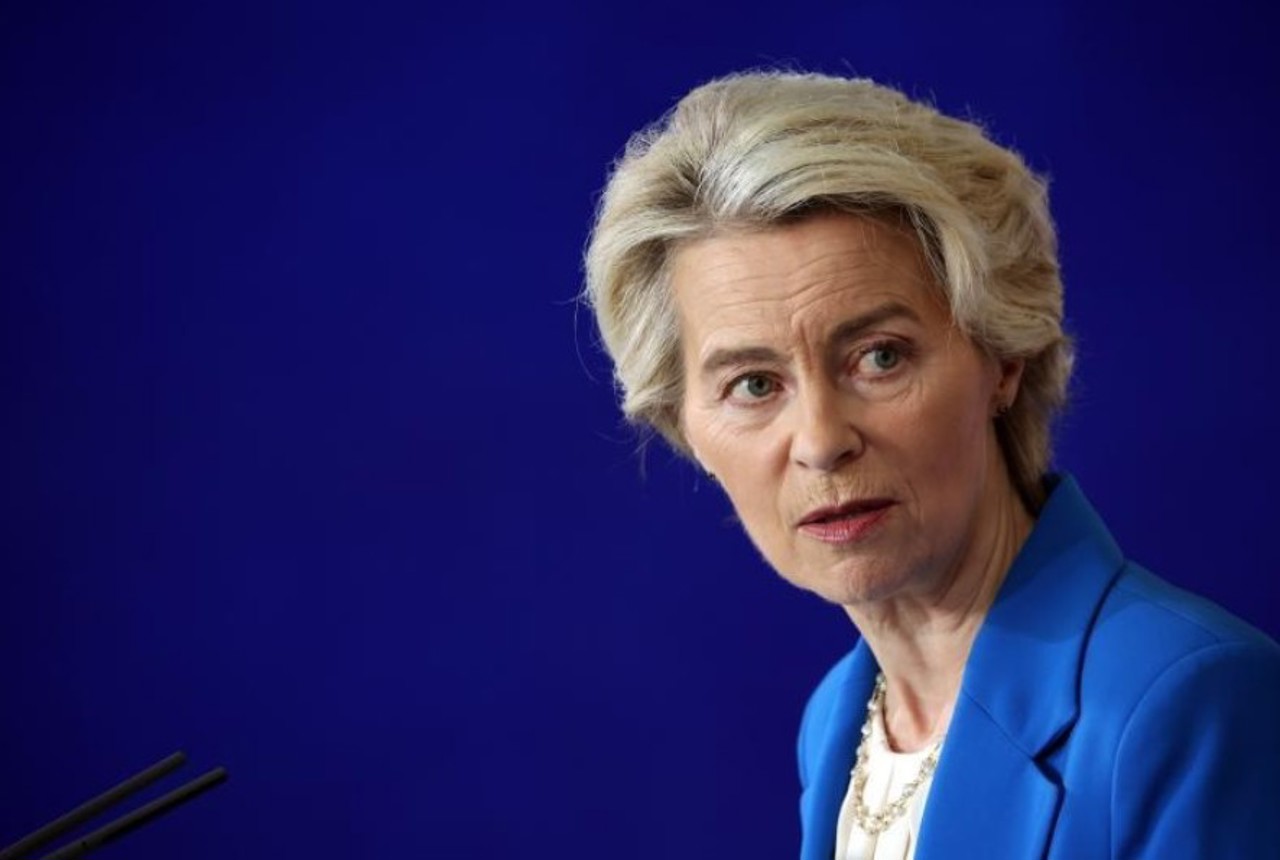
The European Union has announced its latest round of sanctions against Russia, as confirmed by European Commission President Ursula von der Leyen.
The new package, the 19th since the invasion, was announced on Friday and includes expanded measures in the energy, financial, trade, and technology sectors.
According to Ms von der Leyen, in the last month, Russia has launched some of the most widespread drone and missile attacks since the start of the war, targeting both government infrastructure and civilians. The EU’s office in Kyiv was also among the targets.
At the same time, Russian-made Shahed drones have entered the airspace of Poland and Romania, both EU and NATO member states, Ms von der Leyen highlighted.
“These are not the actions of someone who wants peace. President Putin has repeatedly escalated, and Europe is responding by increasing pressure," she said.
New energy and financial sector restrictions
Key measures in the new European sanctions package include:
Banning imports of liquefied natural gas (LNG) from Russia to European markets.
Reducing the price cap on Russian crude oil to $47.60 USD.
Sanctioning 118 additional vessels from the "shadow fleet" transporting Russian oil, bringing the total to more than 560 ships.
A complete ban on transactions with energy companies Rosneft and Gazpromneft.
Freezing the assets of other companies involved in energy exports.
Ms von der Leyen said Russia's revenue from oil exports to Europe has dropped by 90% over the past three years.
The new sanctions also include trading prohibitions for several Russian banks and banks from third countries suspected of facilitating the evasion of sanctions. The Commission is also imposing new restrictions on crypto platforms—for the first time, cryptocurrency transactions are officially targeted—and listing foreign financial institutions connected to alternative Russian payment systems.
Export restrictions and indirect support for the Russian military
The EU is also imposing export bans on technologies and equipment used on the battlefield, particularly for drones.
Forty-five companies from Russia and third-party countries, including China, have been added to the list of those supporting the Russian military-industrial complex.
The Commission says the sanctions are already having a severe impact on the Russian economy: the interest rate stands at 17%, inflation remains high, and Russia’s access to external financing is in constant decline.
Funding Ukraine with frozen Russian assets
In parallel, the EU is working on a new financial support mechanism for Ukraine based on Russian assets frozen in Europe. The proposal aims to grant a “loan for reparations” to Ukraine, financed by the interest generated from these funds, without touching the principal assets.
“It is Russia’s war, and the aggressor must pay. Ukraine will only repay the loan when Russia pays reparations,” the European Commission president clarified.
Ms von der Leyen urged the member states to adopt the 19th sanctions package as quickly as possible.
“We want Russia to leave the battlefield and come to the negotiating table. This is the only way to give peace a real chance,” the head of the European Commission added.
Translation by Iurie Tataru