Moldova's economic transformation: From magnets for Teslas to a billion-euro IT industry
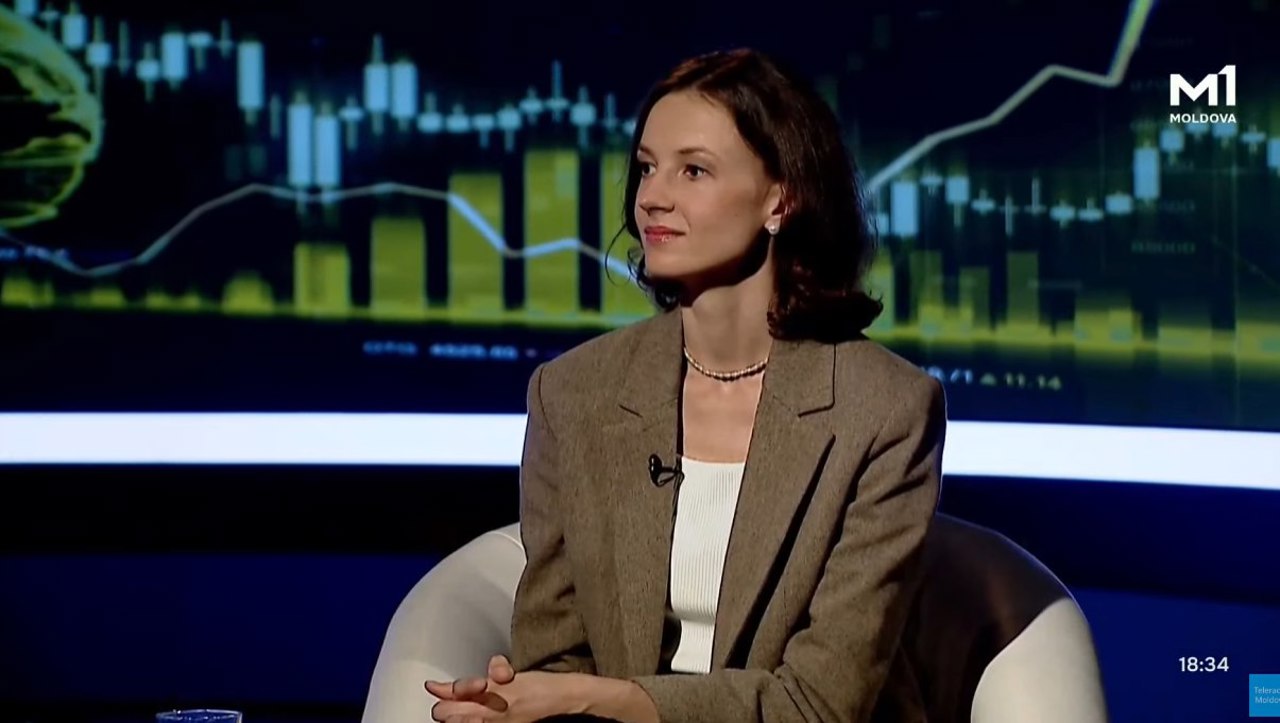
Moldova is establishing a stronger presence on the international market, driven by investments that are transforming its national economy.
A great example is the automotive industry, where the first major investments made a few years ago laid the groundwork for a competitive sector.
Natalia Bejan, Director of the Investment Agency, made the statement on the TV show "Banii" (Money) on Moldova 1. According to Ms Bejan, Moldova now produces magnets used in Tesla car batteries, and exports in this field are significant.
"Made in Moldova" components for luxury cars worldwide
Currently, around 1.3% of cars produced globally contain at least one Moldovan-made component—from textiles for seats and steering wheels to wiring, engine parts, and electric batteries, Ms Bejan added.
"While I'm not saying the automotive industry wouldn't exist without Moldova, we do play a significant role. Certain series of BMW, Mercedes, Lamborghini, Porsche, and Skoda now include Moldovan-manufactured components after we outcompeted other countries for these projects. We don't always win, and some projects do end, but overall, Moldova has a significant role in this industry," Ms Bejan explained.
Moldova's IT sector reaches €1 billion in 2024
The country's IT sector is another key economic pillar, having seen spectacular growth. In 2024, it generated revenues exceeding one billion euros, a record sum for the country.
In the last eight years, the number of employees in the sector has grown from around 2,000 to over 26,000, with average salaries of €2,000 per month, the Investment Agency director said.
According to her, this growth not only improves the standard of living for employees and their families but also directly contributes to strengthening the economy by keeping capital within the country.
Medical tourism on the rise
Medical tourism is also emerging as a high-potential sector. In partnership, local and foreign companies are already bringing hundreds of patients from abroad via charter flights for dental, cardiology, or in vitro fertilization services.
In the last five years, this sector has doubled, developing thanks to private investments.
"The private sector is the engine of growth in this model," Ms Bejan explained, "as it pushes the cart forward quickly, pulled by strong horses, rather than waiting for the state to do it."
Local perspectives on business and challenges
Citizens we spoke with say there are business opportunities in Moldova, especially in IT and services, but challenges are related to innovation and limited access to financing.
"If you have a business, you have more prospects, but it ultimately comes down to money."
"It's quite difficult here in Moldova because there are already so many businesses, making it hard to create something new and unique."
"Also, you can start with a minimal investment. Especially if it's a service-based field, you can do it with practically no investment."
"Banks don't offer big loans for small companies. That's why small companies start with their own personal capital, and that's a bit difficult," people say.
Foreign direct investment (FDI) in Moldova now exceeds $5.39 billion—the equivalent of around 30% of the country's GDP. Over 85% of this comes from the European Union. The main investors include Romania, Cyprus, the Netherlands, the United Kingdom, Germany, and France, as well as partners from Turkey, Switzerland, and Kazakhstan.
The most attractive sectors for foreign capital are manufacturing (textiles, footwear, electronics, and automotive components), which makes up approximately 20% of the total; the financial and banking sector, with more than 25%; and telecommunications and IT, at 15%. The rest is distributed among agriculture, energy, and services.
Translation by Iurie Tataru