Expert: Post-election violence, Shor network tied to Moscow’s destabilization plan
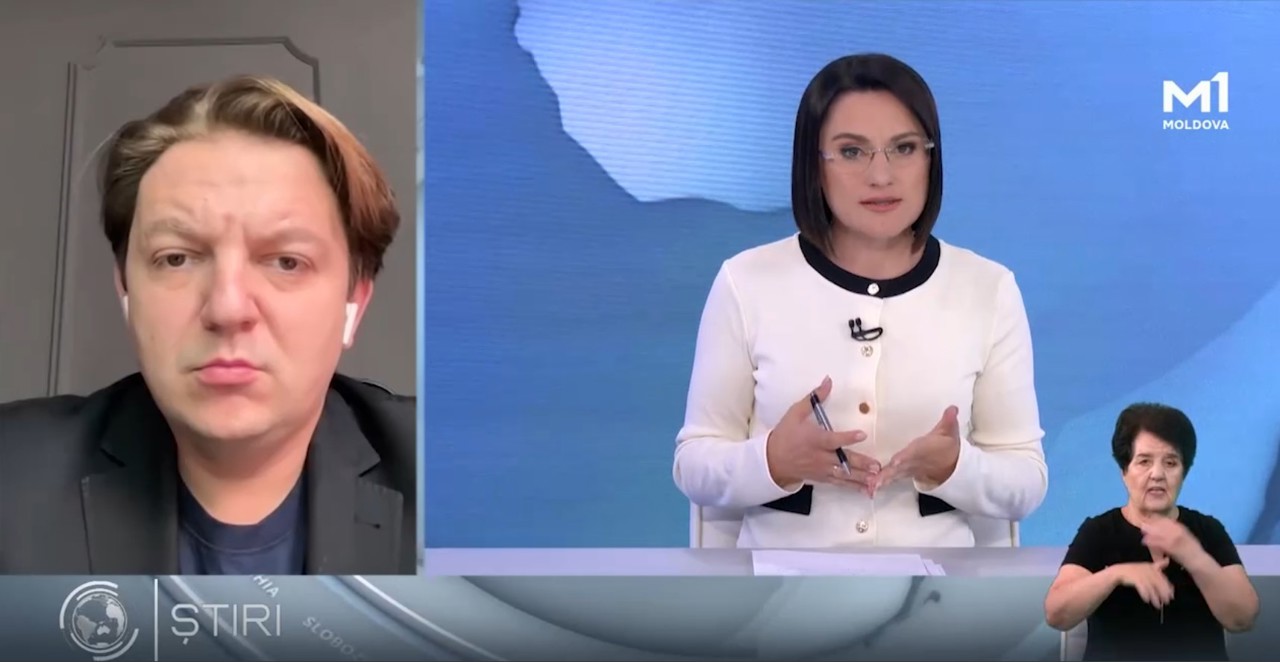
The Republic of Moldova faces a plan aimed at destabilising its electoral process, which is being orchestrated and directly financed by the Kremlin. In an interview with Moldova 1, public policy and security expert Andrei Curăraru warned that if pro-Russian parties experience electoral failure, there is a significant risk of escalating tensions and potential violence. This scenario is further exacerbated by foreign-funded networks and the support of paramilitary groups.
"The actions of the police and the CNA fit very well with the journalistic investigations that we have seen lately, even by the Bloomberg publication. We have seen some leaked data in the public space, which links the figure of the controversial Ion Şoltoianu to the organization of some athletes and young people who have also done paramilitary exercises in the Orhei region. There is also a post-electoral plan. If the pro-Russian parties do not get a comfortable majority, violence can be resorted to. We also recall the preparations that took place with the assistance of representatives from the Wagner paramilitary group in Bosnia and Herzegovina. This shows that, in fact, this plan has existed for a long time", explained expert Andrei Curăraru, on Moldova 1 TV.
The expert states that the plan for the post-electoral protests "is on the table and is quite active, considering what Bloomberg says, that it was directly approved by the presidential administration in the Kremlin". "It is clear that it is not a very positive message, because many of our citizens do not believe it. But the analysis that we see and from several active speakers in Ukraine and the region tell us about the reality of this possibility. There is also the rather large potential that the Shor network, in particular, has in organizing such violent protests," said Curăraru in the context of the involvement of the network of fugitive oligarch Ilan Shor, known for financing destabilizing activities.
Regarding the phenomenon of electoral corruption, the expert highlights the complexity of the schemes applied, which include not only direct bribery, but also manipulation through fake polls and disinformation campaigns.
“We see gigantic amounts confiscated, millions of euros, but we also see greater sophistication within the electoral corruption system, as well as in other similar manipulations. We also saw the Nord News investigation into those fake or pseudo-polls, which were instrumented to convince people and recruit them into these systems. We understand that the online amplification of disinformation is also organized through the same mechanisms of corrupting citizens”, the expert explained.
Andrei Curăraru warned about the scale of the hybrid war waged by Russia, emphasizing the need for civic mobilization to defend democracy in the Republic of Moldova. His message urges vigilance and active participation in the election to counteract the effects of manipulation and corruption.
“We hope that the citizens of the Republic of Moldova in good faith will mobilize, because only an exemplary mobilization to vote can curb the effect of a vote given for monetary payments or, as they say in that investigation, “for a bottle of vodka”. It is clear that we are reaching a crossroads in everything that the electoral campaign in the Republic of Moldova means and we must defend democracy to the end," concluded Andrei Curăraru.
A report from Bloomberg reveals that in the spring of 2025, the Russian Federation devised a comprehensive plan to disrupt the parliamentary elections in Moldova. The strategy aims to prevent the Action and Solidarity Party (PAS) from securing a parliamentary majority, ultimately seeking the removal of President Maia Sandu. The tactics include recruiting Moldovan voters living abroad, organizing violent protests, financing pro-Kremlin parties, and launching a large-scale disinformation campaign across platforms such as Telegram, TikTok, and Facebook, as well as through traditional media and call centers. Documents analyzed by Bloomberg indicate that these actions are being directly coordinated by representatives of the Kremlin, who have not issued an official response to these allegations.