Report: Disabled people face barriers in politics
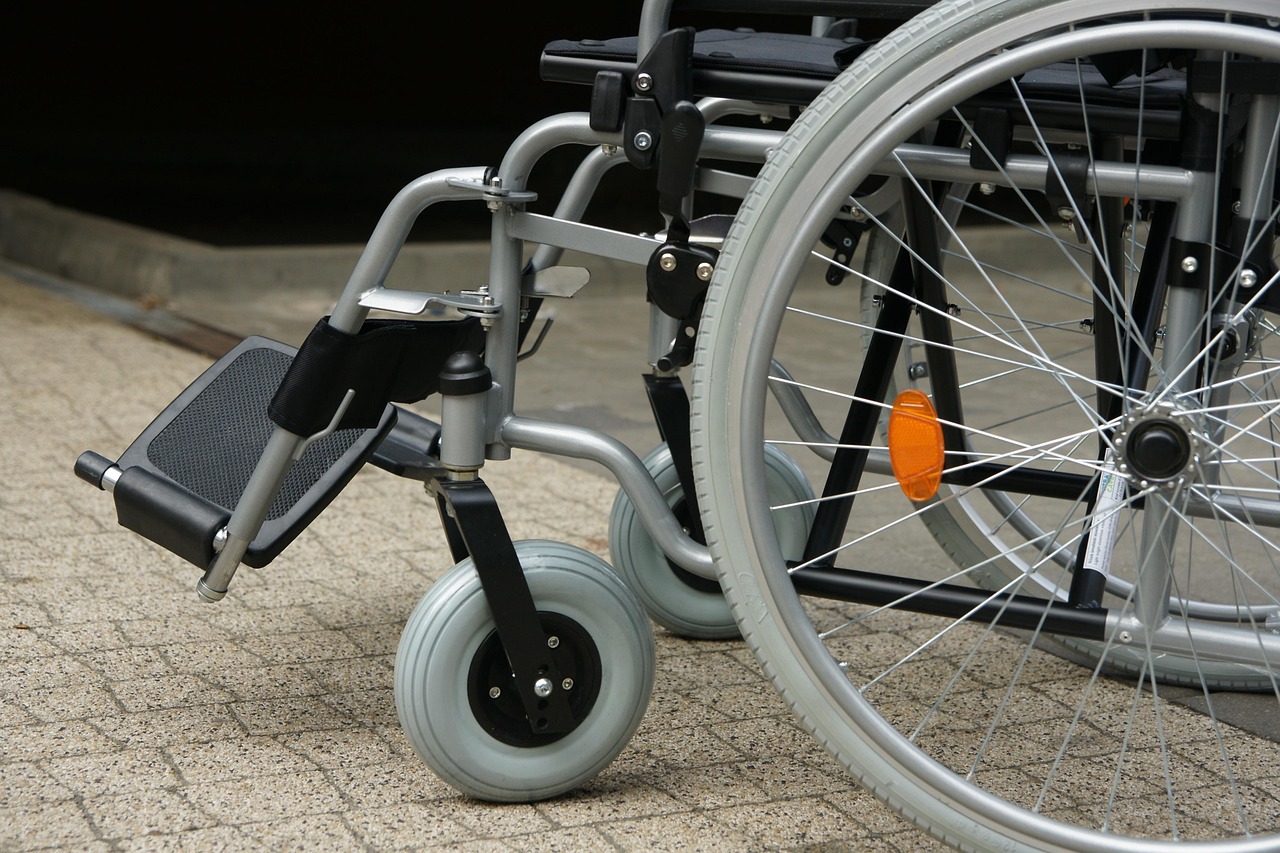
Individuals with disabilities in the Republic of Moldova encounter substantial obstacles when trying to engage in political life. This finding comes from the preliminary election monitoring report prepared by the Infonet Alliance, which was presented at a press conference hosted by IPN. The report highlights key challenges, including inadequate infrastructure at polling stations and difficulties in maintaining vote secrecy when using mobile ballot boxes.
One of the major problems encountered in the electoral process is voting at home, where voters with disabilities are often assisted by five to six people. This situation can be inconvenient for the voter and makes it difficult to maintain the secrecy of the vote, notes the organization’s executive director, Victor Koroli. As an alternative, voting booths could also be utilised for mobile ballot boxes.
However, currently, the Central Electoral Commission has only 2,000 such booths, purchased with the support of development partners. At the same time, the authority purchased 10,000 special sponge stamps, at the suggestion of a visually impaired person, to facilitate the correct application of the vote.
“The Central Electoral Commission immediately implemented the solution, using resources from donors and not from the state budget. We insist on these examples to show that people with disabilities are not just passive consumers, but can demonstrate proactive behavior and generate solutions. Through the concept of universal design, their ideas simplify voting procedures, reduce the time spent in the voting booth and contribute to the value of the entire electoral process”, he emphasized.
Another challenge relates to the accessibility of people with disabilities to political party headquarters, allowing them to participate in events and become involved in the electoral process. Of the 55 headquarters monitored by the Public Association of Parents of Persons with Disabilities, only two offered adequate mobility conditions, emphasized the organization’s president, Ludmila Jalbă.
“The issues related to disability and inclusion were treated as secondary topics, without real importance for the candidates. For state institutions, it is essential to ensure the accessibility of polling stations and electoral infrastructure, considering that electoral offices are often located in cultural centers or schools, without access to studies or cultural activities. The media must ensure the universal accessibility of electoral programs, through subtitles and interpretation in sign language, the production and dissemination of materials in easy-to-read and understandable formats, thus guaranteeing access to information for all people”, mentioned Ludmila Jalbă.
In turn, the program director of the Center for the Rights of Persons with Disabilities, Gheorghe Bosîi, drew attention to the fact that the subject of the rights of persons with disabilities was almost completely ignored in electoral programs.
“Only one candidate included aspects related to inclusion and rights in the platform, while the others limited themselves to vague promises, such as increasing the minimum pension to 5,000 lei. This does not represent a real solution for the integration and active participation of people with disabilities,” said Gheorghe Bosîi.
According to the Infonet Alliance, there are over 150 thousand people with disabilities with the right to vote in the Republic of Moldova. The organization emphasizes that accessibility should be ensured not only for these people, but also for the elderly and mothers with children, who cannot reach the polling station.
We remind you that to request a voting ballot via mobile ballot box, voters must submit their applications in writing by 2:00 p.m. on election day, accompanied by a medical certificate. The document must contain the voter's identification data, the reason for the request, the name of the person designated to submit the request, as well as a copy of the identity document and, where applicable, supporting documents.