Moldova: Election body examines 'bot' use claims against Costiuc party
The Central Electoral Commission (CEC) is due to examine complaints today, October 3, against the "Democraţia Acasă" (Democracy at Home) Party, led by Vasile Costiuc, over alleged electoral law violations.
The complaints were filed by the National Investigation Inspectorate (INI) and the Party of Action and Solidarity (PAS).
The INI document alleges that coordinated public opinion manipulation took place during the campaign, involving the use of more than 990 "inauthentic" or "bot-type" accounts. These accounts reportedly fraudulently promoted the image of the "Democraţia Acasă" Party and its leader, Vasile Costiuc.
The party leader, Mr Costiuc, denies any connection to the TikTok accounts.
The CEC is expected to review the complaints on Friday, October 3, starting at 15:00. Mr Costiuc claims the six parliamentary seats won by his party in the 28 September elections could be invalidated.
Campaigning allegations on day of silence
The National Investigation Inspectorate claims the "Democraţia Acasă" Party broke electoral law by publishing several videos on TikTok on the Day of Silence (27 September) which amounted to campaigning.
Screenshots taken on 28 September confirm the posts were published about 20 hours prior, demonstrating a violation of the ban on electioneering.
The case has been registered by the INI, and the General Police Inspectorate is expected to take steps to verify any potential violations. The CEC has been asked to examine the facts and adopt corresponding decisions.
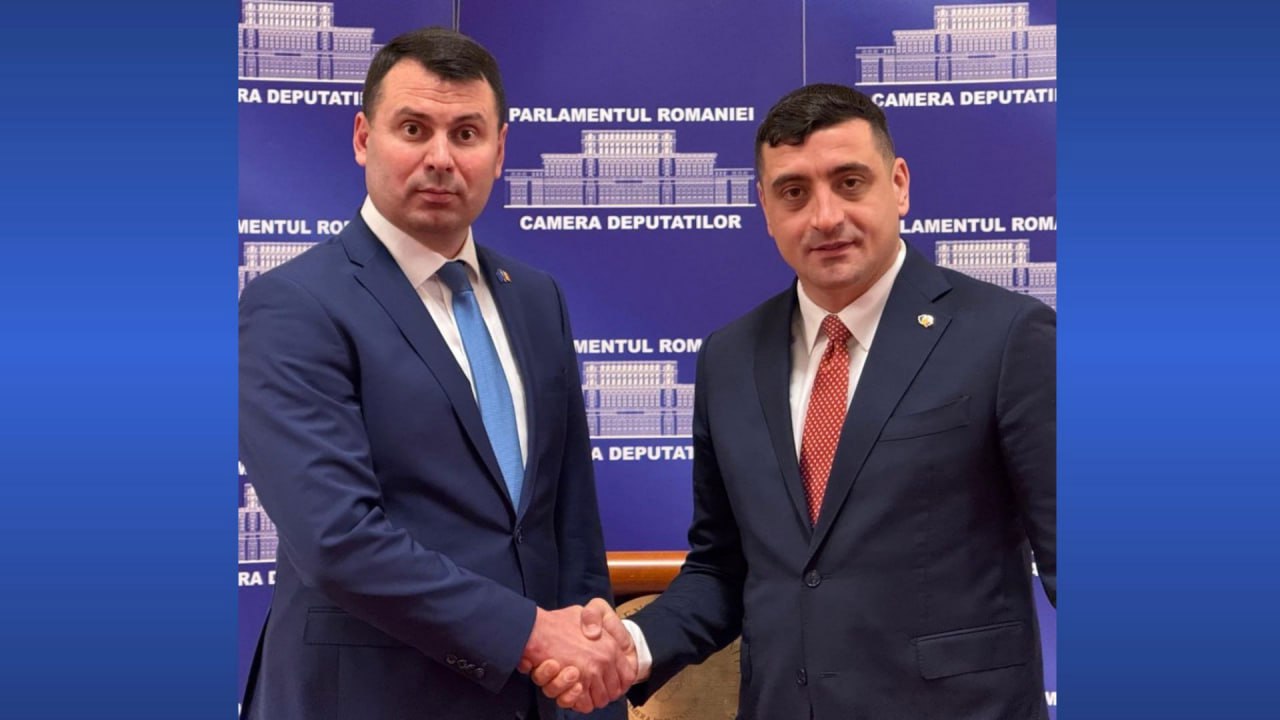
Separately, PAS has filed a complaint with the CEC seeking accountability for the "Democraţia Acasă" Party. It alleges that on 27 September, George Simion, the leader of Romania’s Alliance for the Union of Romanians (AUR), urged voters in the Republic of Moldova to vote for the party, despite being prohibited from entering the country. Some video footage was reportedly distributed on social media.
Vasile Costiuc: Simion must answer for 'law-breaking'
In his defence to the CEC, Mr Costiuc stated that his party and its candidates had no connection with the TikTok accounts that published electoral material on the Day of Silence. He added that he suspects opposing candidates attempted to discredit his party and distribute material in its name to exclude it from the electoral race.
Mr Costiuc stressed that "Democraţia Acasă" cannot be held responsible for the actions of individuals unconnected to the formation.
He specified that the party had not used Mr Simion's image in the campaign and that if Mr Simion broke the law of the Republic of Moldova, he must personally answer to justice. Mr Costiuc also accused rivals of attempted discreditation and announced he had notified the Prosecutor General’s Office for investigation.
Party sanctioned for undisclosed expenses
The Electoral Code prohibits the financing of election campaigns by individuals who are not citizens of the Republic of Moldova, or by legal entities from abroad.
Preliminary CEC data shows the "Democraţia Acasă" Party secured 5.62% of the vote (88,679 votes) in the 28 September elections, which would grant it six seats in the future parliament.
The party was sanctioned on 1 October by the CEC with a warning, after failing to report expenses for online advertising.
The electoral authority noted that a report published by a research institute in Bucharest found a coordinated network of 17 TikTok accounts, which heavily promoted the party’s messages and gathered 16 million views from "potentially fraudulent accounts." A portion of these activities was allegedly managed from Romania, a practice prohibited by the Electoral Code.
Translation by Iurie Tataru