Burning leaves harms health and soil
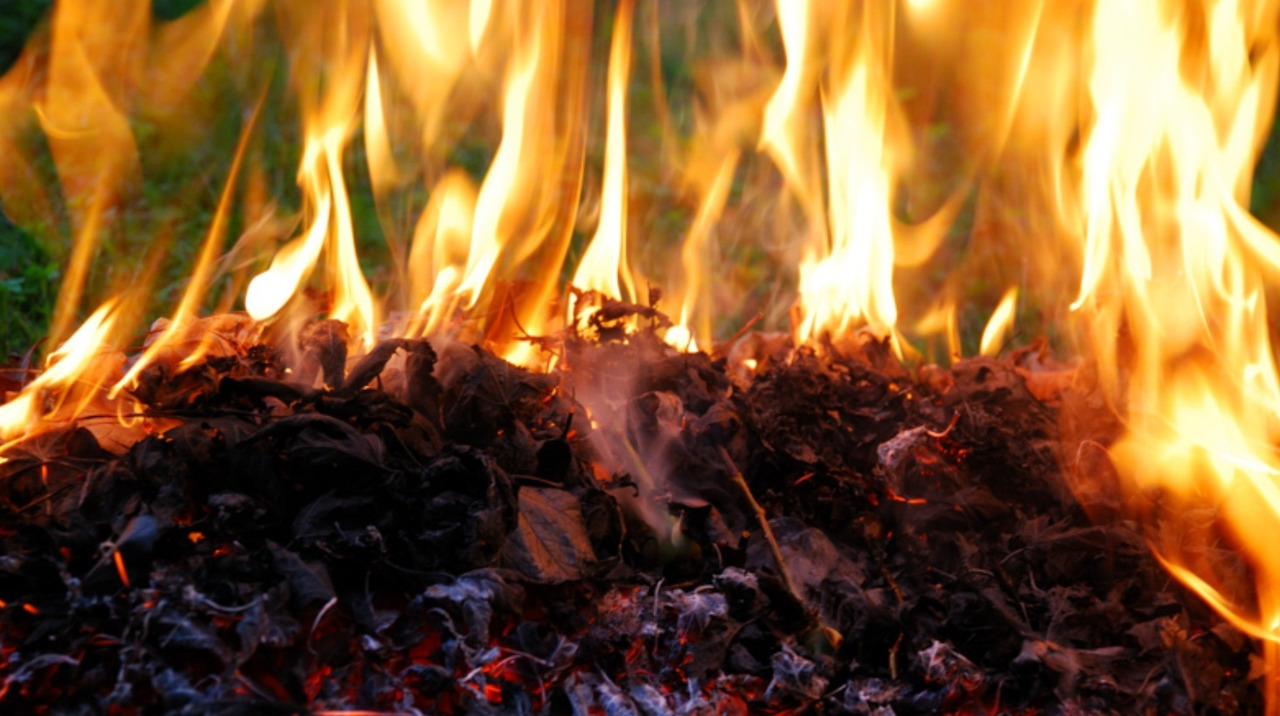
Burning leaves is an outdated and illegal practice in many rural areas. It has toxic effects on both health and soil, leading to fines exceeding 1.2 million lei since the beginning of the year. Experts recommend composting as the best alternative. This simple, cost-effective, and eco-friendly solution transforms leaves into fertilizer for gardens.
Burning leaves: Risks to health, soil, and finances
The practice of burning leaves, plant debris, and household waste poses significant dangers to both the environment and human health. “The burning of such materials releases toxic substances into the atmosphere that can lead to respiratory issues and central nervous system disorders,” stated Aliona Rusnac, State Secretary at the Ministry of Environment, in an interview with Radio Moldova.
These toxic substances also contaminate water and soil, adversely affecting natural habitats, wildlife, and the microorganisms necessary for soil fertility.
Tatiana Nagacevschi, a Doctor of Biological Sciences, elaborated on the impact on soil quality. “The intense heat from burning reduces the formation of humus. Soil biota—microorganisms within the top 10-20 cm of soil—are killed off; when vegetation burns, soil temperatures can rise to between 40–60°C, which are lethal for these organisms,” she explained.
Authorities are increasingly enforcing regulations against burning. Since the beginning of the year, the General Inspectorate for Emergency Situations has reported fines totaling over 1.2 million lei for unauthorized burning of dry vegetation, including leaves and waste. During unannounced inspections conducted in collaboration with environmental inspectors and police officers, over 270 reports were filed, primarily against individuals who burned plant debris in their yards or on land without adhering to legal regulations.
Composting: A practical solution that turns leaves into soil
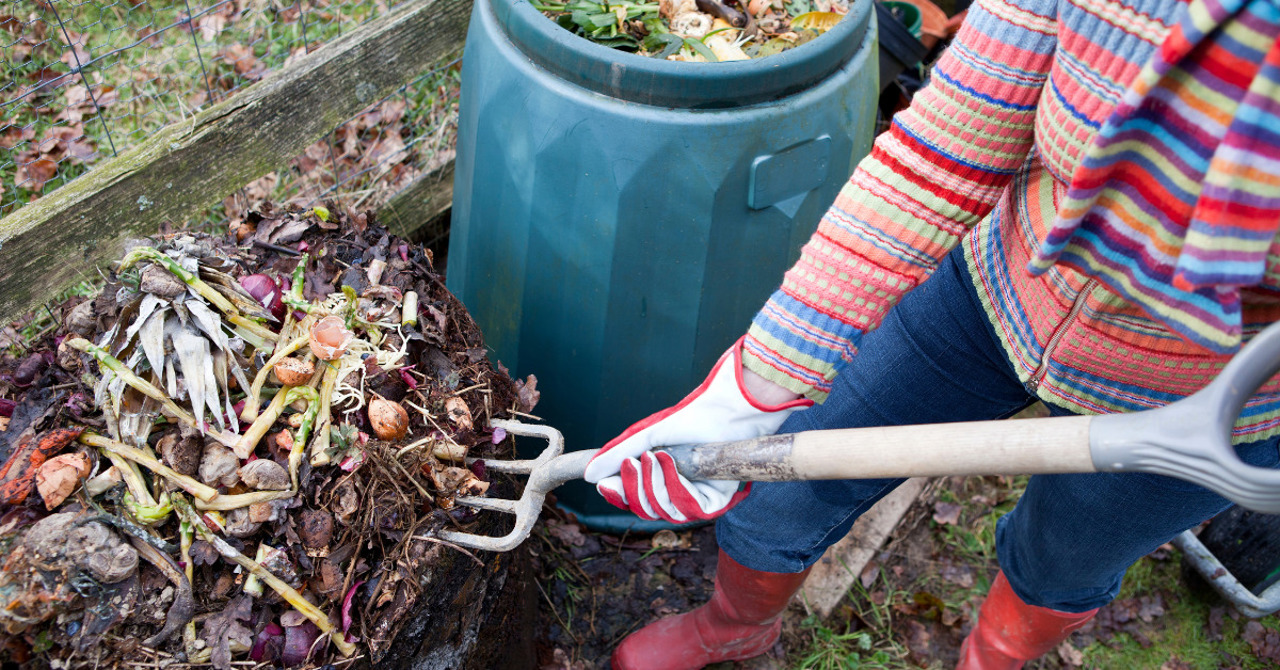
Specialists recommend a clear solution: “We can utilize plant residues by collecting them to make compost. The result is an ecological fertilizer that helps maintain moisture and preserve the soil, especially during droughts,” emphasizes Aliona Rusnac.
Ecologist Vladimir Garaba outlines the basic steps for households: “Gather the leaves and store them in a hole or pile at the corner of the garden, covering them with a layer of soil. If possible, add a bit of water to prevent scattering, and by next year, you’ll have a substantial amount of fertilizer. I urge everyone to stop burning leaves.”
From a gardening perspective, ecologist Gabriela Isac highlights the natural logic of the process: “When we compost, we collaborate with nature. Just as in the forest, leaves and kitchen scraps return to the soil as food. This natural blanket protects from frost and drought while making the soil more fertile.”
Her main recommendation is to approach composting with enthusiasm and a willingness to experiment: “There’s no such thing as a wrong compost. If problems arise, the compost will guide you on what to do.”
She advises, “If it smells bad, add dry material and mix. If decomposition is slow, it may be due to insufficient moisture, a lack of kitchen scraps, or a shortage of manure. Seek out others who compost for inspiration and support,” Gabriela Isac shared in an interview for the "Zi de Zi" show on Radio Moldova.