Moldova psychiatric reform: Minister vows to end ‘soviet’ narcologist system
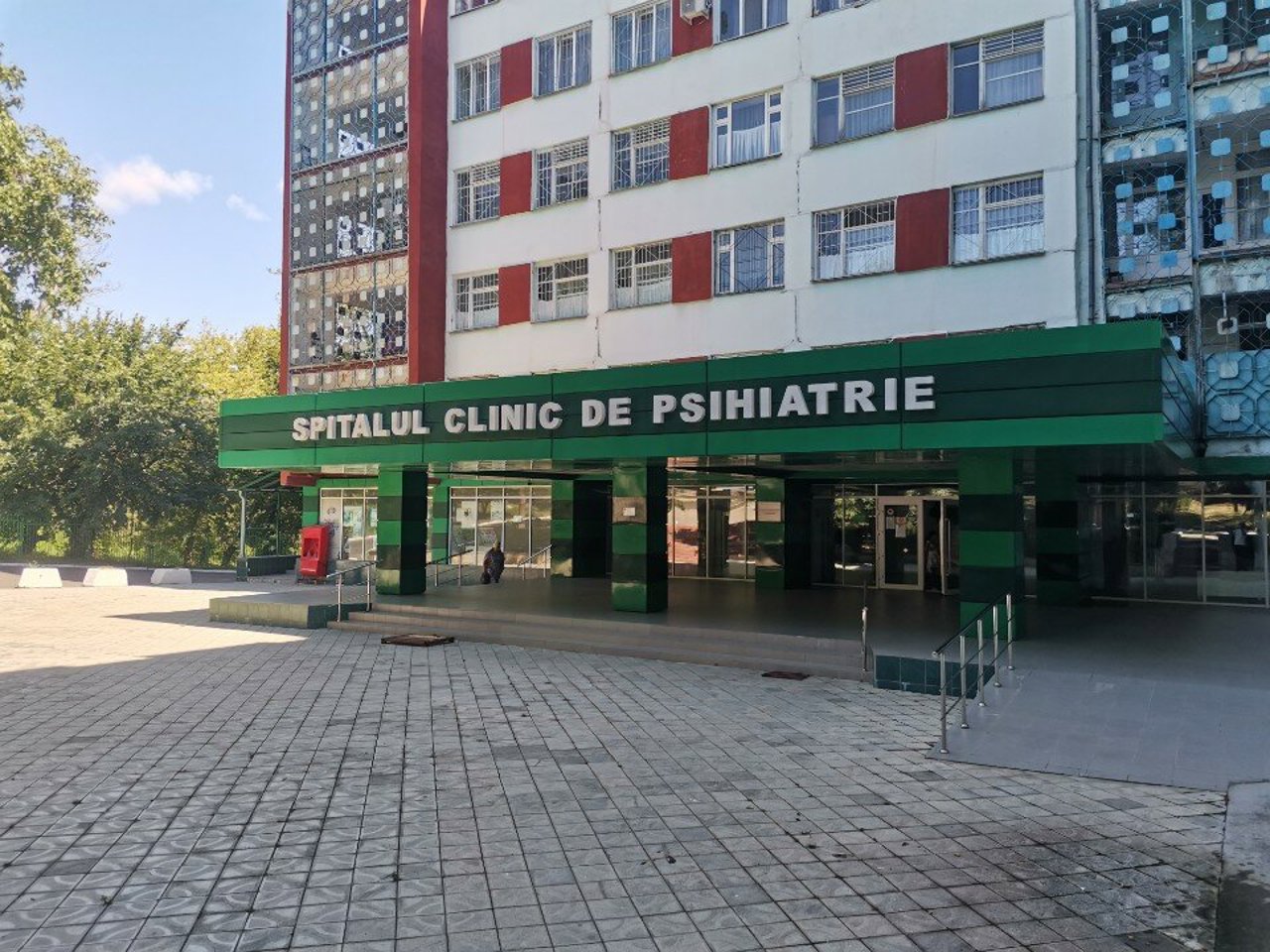
Moldova's mental health system is facing severe issues including poor infrastructure, a lack of specialist staff, and substandard patient care, Health Minister Ala Nemerenco has said.
The Minister, speaking on Radio Moldova, said some wards are unsecure and facilities are located in remote, hard-to-manage areas. She acknowledged the sector required major reform and announced plans to modernise and reorganise services to meet European Union standards.
Ms Nemerenco stressed the reform would not involve closing existing facilities: “We need inpatient beds because many cases require hospitalisation,” she said, adding she wanted to "reassure the public."
A key change is the elimination of the ‘narcologist’ specialty, a legacy from the Soviet era. “Nowhere else in the world does such a specialty exist. It’s an invention of the Soviet Union,” she said. Addiction, she noted, should be treated by psychiatrists, meaning narcology as a separate structure “must disappear.” The Minister added that existing narcology doctors would not be laid off but retrained as psychiatrists.
Addressing safety concerns, Ms Nemerenco highlighted the lack of security in wards treating forcibly detained patients. “Wards in Bălți and Chișinău housing patients who have committed crimes lack security. Medical staff cannot be left unprotected. Guards and trained staff are essential for working with these patients,” she added. The Ministry is considering concentrating these wards into a single, modernized unit.
Visiting the Orhei psychiatric hospital, Ms Nemerenco said she felt "a sense of dread." She added that patients sometimes escape into the forest, putting their lives at risk. She stressed that facilities must provide a safe and humane environment with green spaces, "not look like a prison.”
She concluded by saying Moldova must follow the example of European countries, noting that a recent visit to Swiss institutions offered a model for contemporary treatment for patients with mental illnesses.
Translation by Iurie Tataru