Peskov: Chisinau 'clinging to power.' Analyst: 'Moscow should look in the mirror'
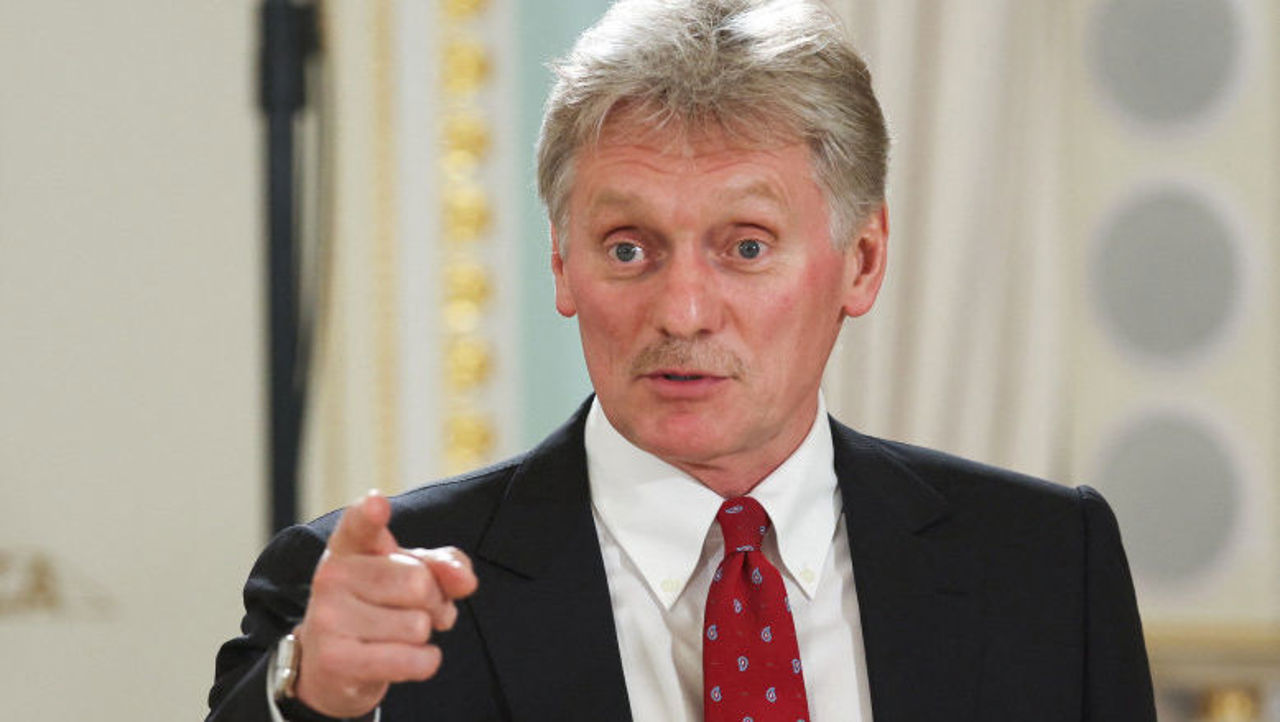
Moscow has accused Chisinau of "clinging to power" and adopting an "unfriendly" stance towards Russia following the Moldovan government's approval of the National Military Strategy for 2025–2035. This statement was made by Dmitry Peskov, the spokesman for the President of the Russian Federation, in a comment to the Russian press. The Ministry of Foreign Affairs in Chisinau has not yet responded to these accusations. Meanwhile, experts warn that the Kremlin poses a security threat to the Republic of Moldova by maintaining its troops on Moldovan territory.
“We see that the Moldovan authorities are desperately clinging to power, trying to preserve it,” said Peskov.
Commenting on the strategic document approved in Chisinau, Peskov added, “We can only express our regret.”
“Moscow should look in the mirror”
The Russian Federation accuses Chisinau of actions that it is also taking, maintaining its troops on the territory of the Republic of Moldova, which contradicts its own international commitments to respect the country’s neutrality, stated political analyst Nicolae Negru in a commentary for Teleradio-Moldova.
“Moscow should look in the mirror and be angry with itself, not with the Republic of Moldova,” Negru said.
He recalled that “this threat coming from the East was also mentioned in the Security and Defense Strategy of the Republic of Moldova”, emphasizing that “after Russia’s invasion of Ukraine, the Republic of Moldova feels threatened”, and Russian propagandists “talk almost daily about invading our territory”.
Asked about the possible effects on relations with Moscow, the analyst said that “the adoption of the National Military Strategy will have the same impact as the adoption of the Security and Defense Strategy, where it is also mentioned that Russia poses a threat to the security of the Republic of Moldova”.
“We know what relations we have now and these relations have worsened because of Russia’s invasion of Ukraine, because of Russia’s policy of aggression”, Negru emphasized.
"Chisinau must defend its sovereignty"
The expert also said that the Republic of Moldova must "fulfill its international commitments, respect international norms, do everything to defend its security, sovereignty and territorial independence".
"What Peskov and others in Russia say must be taken into account and, even more so, we must react diplomatically, of course, to threats, but, first of all, the Republic of Moldova must strengthen its relations with partners who have committed or are committing to supporting it in this quest for sovereignty and independence", declared Negru.
"The Kremlin's thesis is a disguised threat"
Accusations that the Republic of Moldova could follow the fate of Ukraine are, according to Nicolae Negru, "a disguised threat". “They always say that the Republic of Moldova would not be an independent state, that the government would not be independent, that it would be a puppet of the European Union and that the European Union would push it to war against Russia, which is not true”, the expert emphasized.
“If Ukraine did not resist, I do not know if the Republic of Moldova would still be an independent state, if we had not been invaded too, and, especially, that Russia, if it respected the sovereignty and independence of the Republic of Moldova so much, should withdraw its troops from our territory, as it committed to in 1989, at the OSCE summit in Istanbul”, the expert concluded.
We remind that the Republic of Moldova is entering a new stage of national security and defense, based on the professionalization of the National Army, the digitalization of military processes and alignment with European standards, while maintaining an exclusively defensive approach.
The new Military Strategy of the Republic of Moldova for 2025–2035, approved by the Government on October 8, provides for the reorganization of the force structure, modernization of equipment, development of air and cyber defense, as well as the gradual increase of the defense budget up to 1% of GDP by 2034. The document updates the previous strategy from 2018 and was developed in response to the security challenges posed by the war in Ukraine and hybrid threats in the region.
“The strategy defines long-term military security policies, being aligned with the National Security Strategy, the National Defense Strategy and the entire regulatory framework in force”, stated the Minister of Defense, Anatolie Nosatîi, during the Government meeting.
Prime Minister Dorin Recean also emphasized that the development of the National Army is a strategic priority of the Government, despite critics opposing defense investments. "The same people who are criticizing now have kept the national army in misery and disarray for decades. A militarily weak state becomes vulnerable to an aggressor", the Chief Executive pointed out.