Ilan Shor’s Kyrgyzstan network skirts Russian sanctions, handling over 1.6 trillion rubles in one year
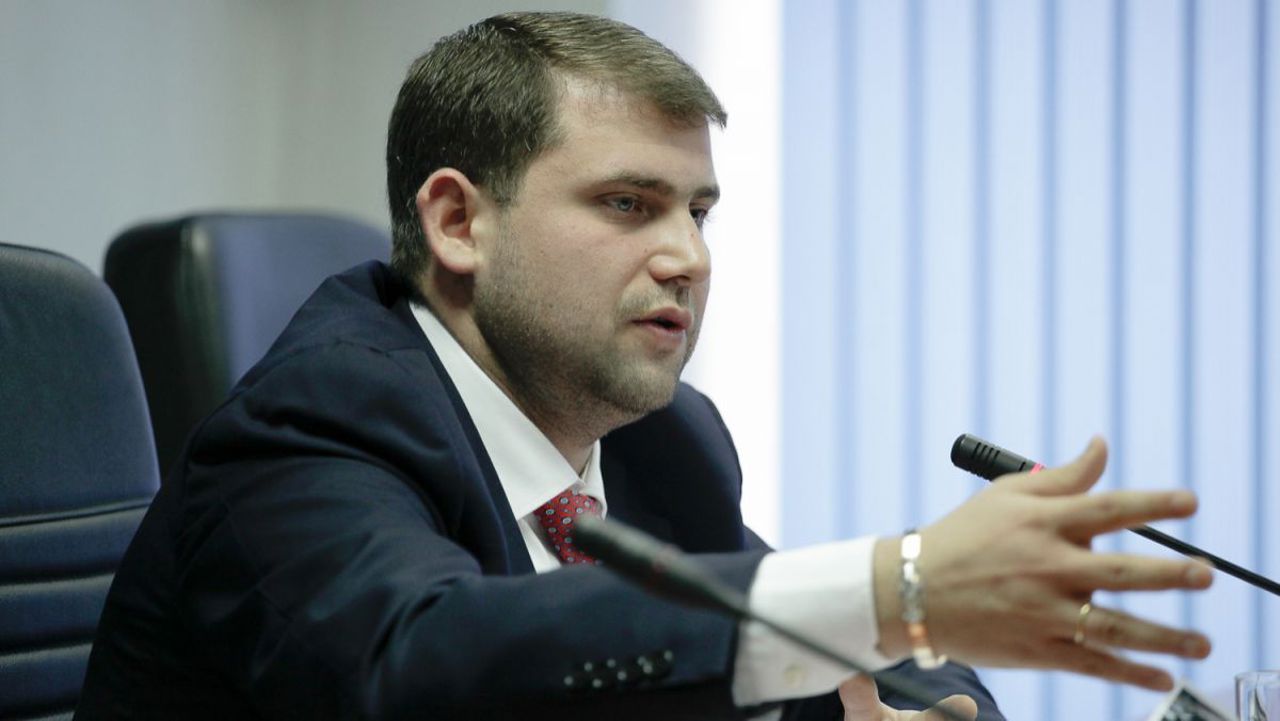
Fugitive oligarch Ilan Shor, who was sentenced to 15 years in prison in the Republic of Moldova, established a network of 37 companies in Kyrgyzstan to facilitate money transfers while circumventing international sanctions imposed on Russia.
An investigation by the IPN News Agency, based on internal documents of the A7 group leaked on the Internet after attacks on the IT infrastructure of Ilan Shor’s group, shows that, in six months, at least 480 billion rubles (about 6 billion dollars) passed through these companies. And in a year, the group’s operations exceeded 1.6 trillion rubles, the equivalent of about 20.7 billion dollars.
The Kyrgyz companies function as financial “bridges”: rubles are converted into foreign currency or cryptocurrencies, and then return to the circuit controlled by the group. Formally, everything resembles a regular banking service, but in reality it is a mechanism designed to minimize the impact of sanctions on payments by Russian companies. The entire process is based on the use of a bill of exchange, a traditional financial instrument.
The A7 platform, created by the Russian bank Promsviazbank (PSB), is directly involved in the scheme controlled by Shor. In July 2025, the European Union included A7 on the sanctions list due to its ties to the convicted oligarch in Chisinau.
The scheme works like this: the importer in Russia negotiates with the foreign supplier and pays for the goods in rubles through the A7 company or its agent A71. By proxy, this bill of exchange is transmitted to a subagent in Kyrgyzstan, who pays the supplier the necessary currency, the supplier sends confirmation of the transfer (SWIFT), and then A7 pays the bill of exchange in rubles through the authorized bank (PSB). Finally, the foreign party receives the currency, and the Russian party formally receives the payment in rubles – bills of exchange, contracts, and payment reports document everything.
Commissions are small, and bonuses and interest for large balances encourage companies to keep rubles in the system.
The scheme also includes rotations through several countries, such as the United Arab Emirates, Hong Kong or Kyrgyzstan, and the use of cryptocurrencies and over-the-counter (OTC) transactions to make it more difficult to track the money.
The IPN investigation shows that the leading companies involved are: "A7 Kyrgyzstan", "Talas Global Merchants", "Kush Trading Group", "Old Vector", "Kifiko", "Tengricoin" and dozens of other entities. They operate as subagents, brokers or intermediaries for the payment of bills of exchange. Ilan Shor appears in the accounting records as a beneficiary and receives salaries in some companies, coordinating the formation of the non-resident network in 2023–2024.
According to the balance sheets, between the end of 2024 and mid-2025, over 486 billion rubles (approximately 6 billion dollars) circulated through these companies. The largest companies are "Ala-Too Trade Group" – 273.3 billion rubles; "A7-Kyrgyzstan" – 110.2 billion rubles; and "Talas Global Merchants" – 75.2 billion rubles.