Moldova bus fares set to rise by up to 20% in 2026
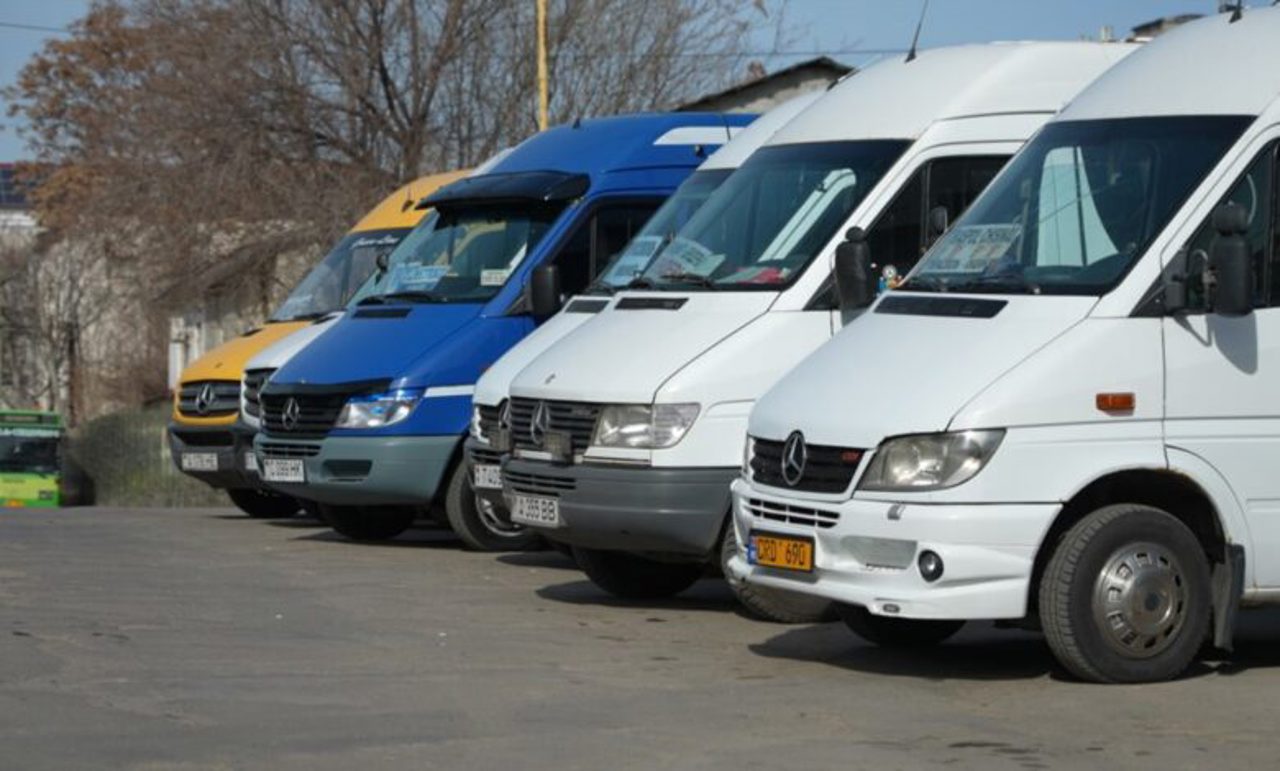
Bus and minibus fares for regional and inter-district transport in Moldova could increase by up to 20% starting March 1, 2026.
The Moldovan government approved a new fare calculation methodology on October 15, which is based on the principle of covering transport operators' real costs.
Deputy Prime Minister Vladimir Bolea, the Minister of Infrastructure and Regional Development, stated that international fares will be approved by the National Road Transport Agency (ANTA), while local routes will be set by the district councils, which will also monitor the correctness of their application.
"The new tariff calculation formula is based on the actual weight of costs, depending on the fuel price, the load factor, and other economic variables, such as administrative expenses, salaries, depreciation, and so forth," Mr Bolea said. The methodology also provides for tariffs to be differentiated based on the type of transport, its comfort, and the geographical specifics of the routes. "As a result, the new methodology will contribute to balancing the interests of passenger road transport operators and consumer protection, the renewal of the bus fleet, and will ensure the economic sustainability of transport operators and the predictability of costs for passengers."
Oleg Alexa, head of the Employers' Association of Road Transport Operators (APOTA), said the group is largely satisfied with the new methodology, although its implementation has been delayed.
"We see that it will come into force on March 1, 2026; this is a major delay, but the methodology represents the necessary document that will allow us to understand how the tariff is calculated. Because the state, through the Road Transport Code, maintained this provision—the legal instrument to influence or regulate this sector through tariffs; it did not allow us to apply free tariffs, free prices," commented Mr Alexa for Teleradio-Moldova.
He added that the document offers transparency and predictability for both authorities and operators.
"The methodology approved today is simply that document, that formula that will be clear both for the authority—in our case, ANTA—which is responsible for applying and calculating this tariff—and for the carrier, who wants predictability," he stated.
Regarding the impact on prices, Alexa was clear: "Fares are going to rise; there is no way for them to remain the same or to decrease. How much they will increase remains to be seen," Mr Alexa stated. "The Government fulfilled its legal obligation to answer how we will regulate the tariff. And that's it. Before it comes into force, ANTA will have to collect all the data so they can incorporate them into the formula. I suspect they set this effective date, March 1, to allow time to see what the averages will be for 2025, so they can incorporate them into the formula for 2026. (...) The average cost of a transport unit, the average repair cost, the average maintenance cost, the average driver's salary, taxes, and the fees we pay for bus station services—all these are nothing other than components of the calculation formula."
According to the draft estimates, the difference between the current tariffs and those calculated according to the new methodology will not exceed 20%, provided that operating costs remain similar.
Currently, inter-district fares range between 0.75 and 0.86 Moldovan lei (MDL) per passenger/km, and for district services, between 0.85 and 0.96 MDL per passenger/km. However, under certain specific conditions, district tariffs could increase by up to 40% if operators demonstrate a justified increase in costs.
Translation by Iurie Tataru