Moldovagaz resumes gas deliveries to left bank of Nistru at previous volumes
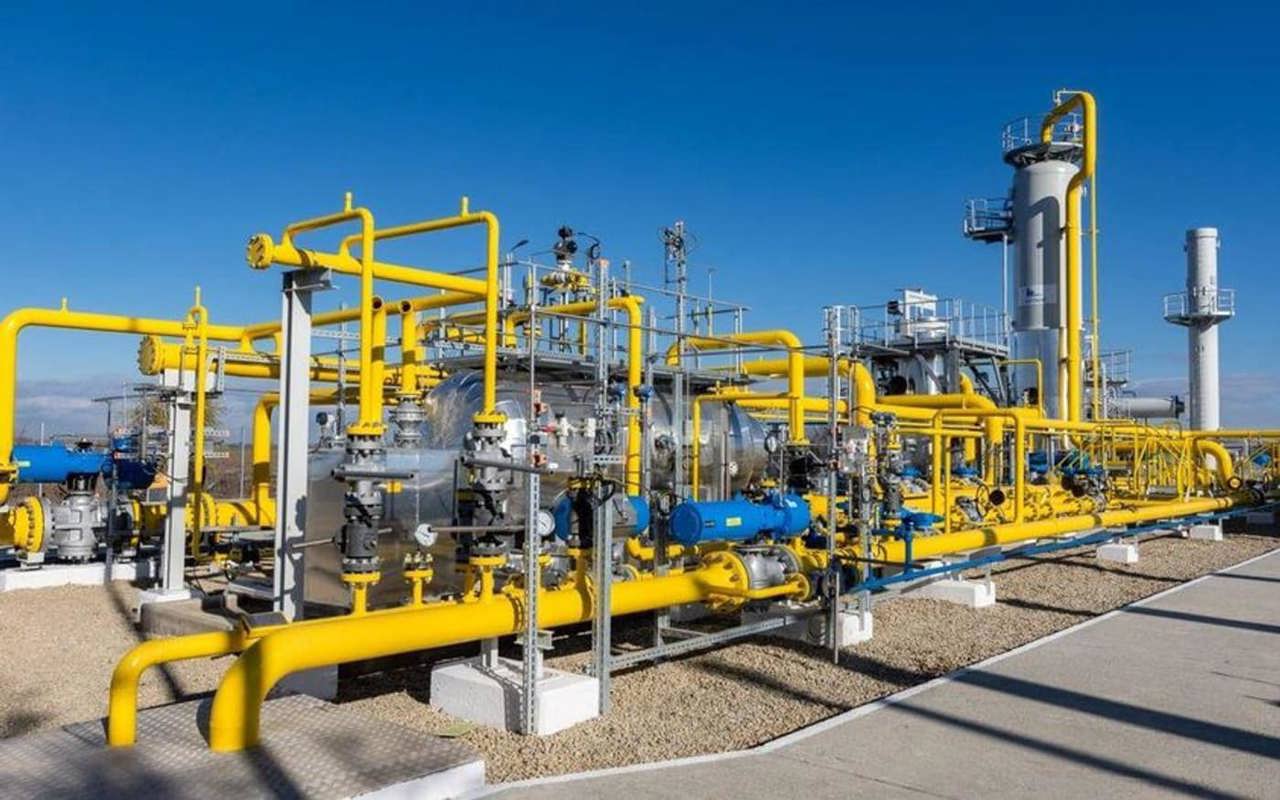
Natural gas deliveries to the left bank of the Nistru will resume on October 17, in the volumes contracted to meet the needs of all consumer categories. This announcement was made by Vadim Ceban, the interim president of Moldovagaz, the company responsible for supplying gas to the Transnistrian region.
According to the message published by Vadim Ceban on his Telegram channel, the delivered volumes will allow the heating season to begin in the localities on the left bank of the Nistru, implicitly the delivery of hot water to consumers will be resumed.
Asked by Teleradio-Moldova to provide details on the contracted volumes and payments for them, Vadim Ceban replied that he could not communicate more than in the public message.
Since August 19, Moldovagaz has been the entity responsible for gas delivery in areas where unlicensed operators, such as Tiraspoltransgaz, are active.
The situation regarding gas delivery on the left bank of the Nistru remained uncertain given that Moldovagaz had secured the necessary volumes only until October 15. After Wednesday's Government meeting, the authorities in Chișinău announced that they were "calmly and responsibly monitoring the situation created in the energy sector on the left bank of the Nistru".
Energy Minister Dorin Junghietu reiterated that the European support package, worth 60 million euros, which the Tiraspol administration previously rejected, can still be accessed under the same conditions, provided there is respect for human rights in the region.
We recall that, after Gazprom stopped gas supplies to the Transnistrian region in December 2024, the Republic of Moldova supplied approximately 2.6 million cubic meters of gas, purchased on international markets. Chisinau proposed to Tiraspol to buy gas at market prices, also offering European support in this regard. Tiraspol refused, opting for a contract financed by the Russian Federation.
In early October, the Transnistrian region implemented a gas-saving policy that restricts its usage solely for residential consumption and for generating electricity used in households.