Chișinău Summit: Social media activists from nine countries discuss democracy and freedom of expression
Around 50 activists and content creators from former Soviet states have gathered in Chișinău to discuss social media’s potential role as a tool for promoting democracy and freedom of expression.
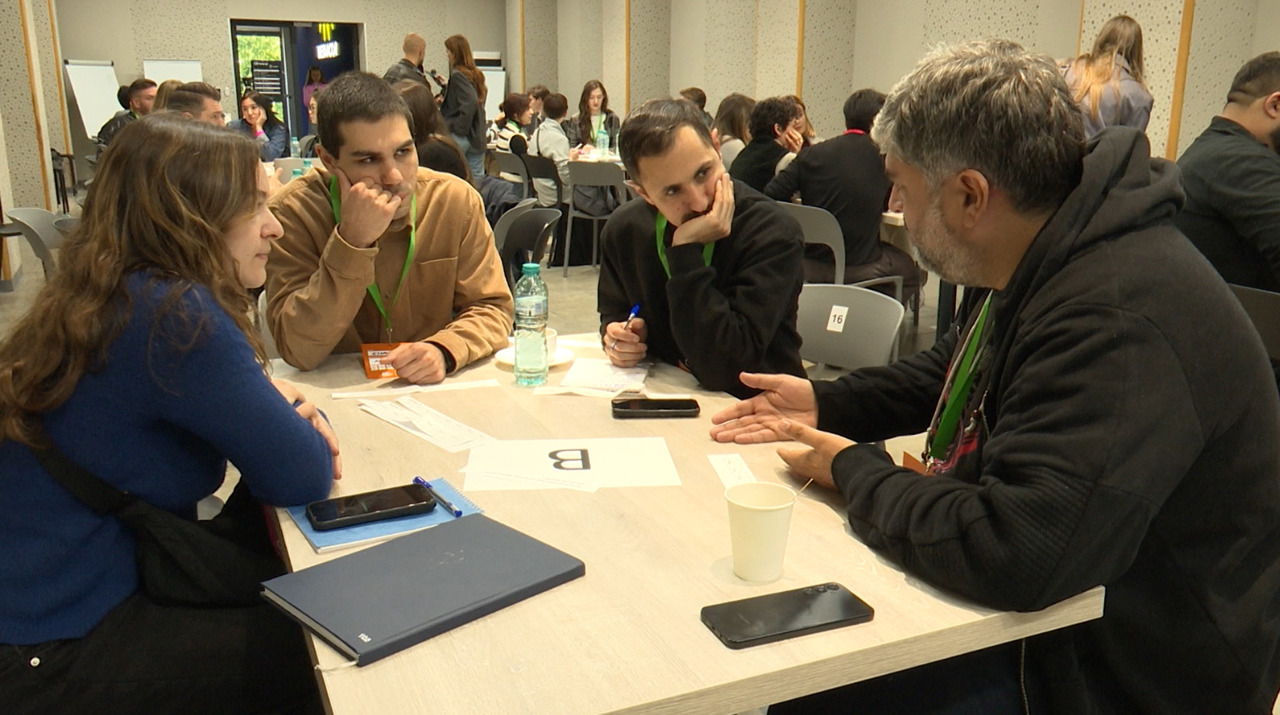
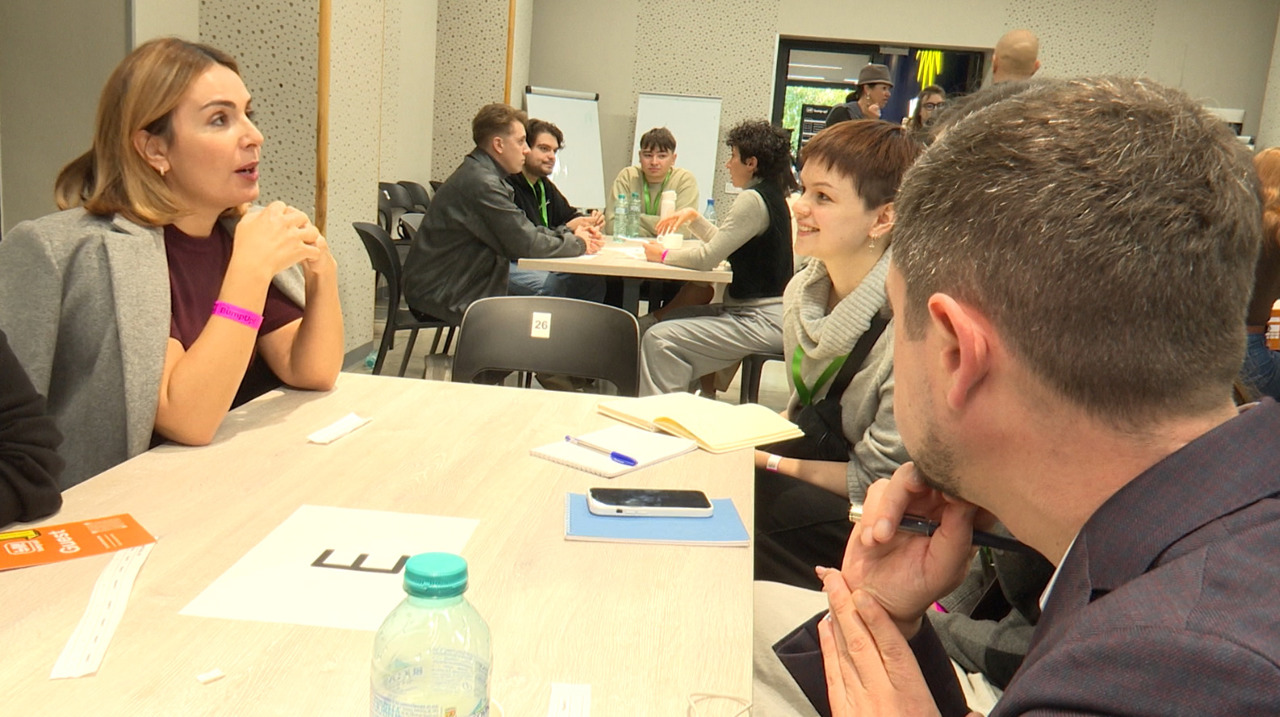
The three-day event involves thematic workshops and collaboration on collaborative projects, with the aim of building a regional community for change.
The workshops brought together creators and activists from Armenia, Azerbaijan, Belarus, Georgia, Kazakhstan, Kyrgyzstan, the Republic of Moldova, Poland, and Ukraine. They work on issues including national identity, culture, language, history, socio-political developments, and gender equality.
"I hope to return home and be able to use the skills I've gained here to fight for human rights. I've already met wonderful people who are very curious about what is happening in Georgia," says Lizi Basilaia, a representative of the Laboratory for Research of the Soviet Past in Georgia.
"I am a political scientist and I have a small blog on Instagram where I share information about what is happening in the region, in Europe, Ukraine, and Belarus, in English. My goal is to promote this to an international audience. We can create joint projects with the participants, and my message to them is to increase their interest in politics," says Alina Kharysava, a participant from Belarus.
"I just want to tell the truth as it is when I see something funny, simple, an ordinary thing from everyday life. Or if I see something amusing in something a little more serious, such as justice or war," recounts Rufat Agayev, a comedian from Azerbaijan.
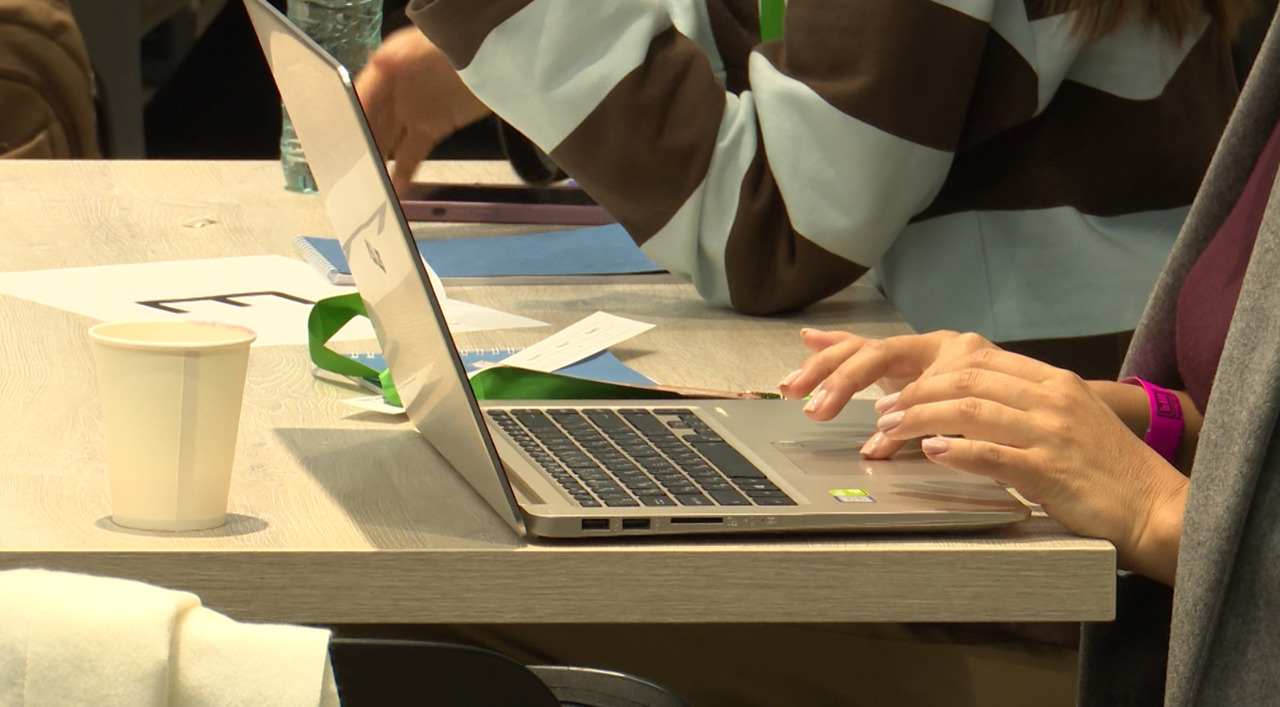
During the workshops, participants also shared their projects dedicated to vulnerable groups.
"We are currently running a programme for deaf people; their language is sign language. I came here to learn something new, so I can represent our organisation on the internet, YouTube, and TikTok," said student Vladislav Cărăuș.
Building on the common past and challenges shared by the participants' countries, they can transform social media into tools for social change and civic education.
"They use their social media platforms not just for entertainment or to earn money from product promotion, but also for a positive social impact, for change, for strengthening democracy, freedoms, and human rights," emphasizes Valeriu Pașa, a WatchDog expert.
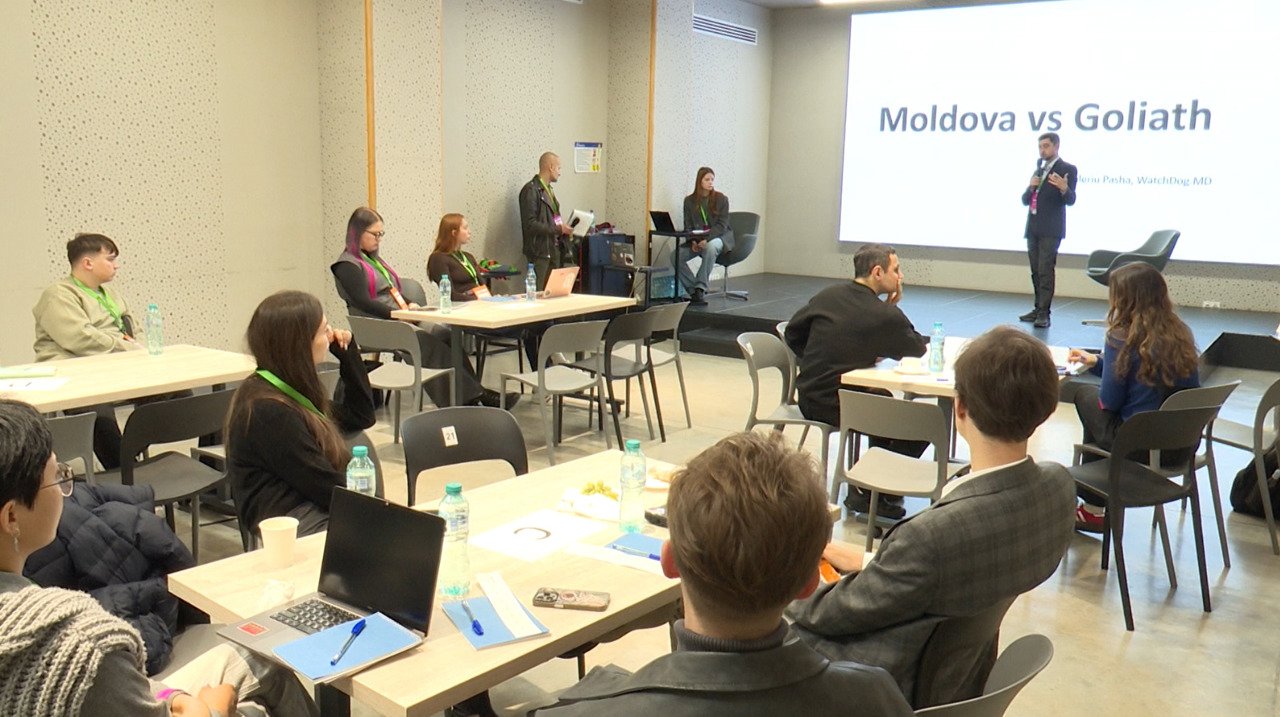
Over the next few days, activists will travel to various locations to create content. The event is organised by WatchDog and the Prague Civil Society Centre.
Translation by Iurie Tataru