EU Accession: How a board game is educating Moldova's youth
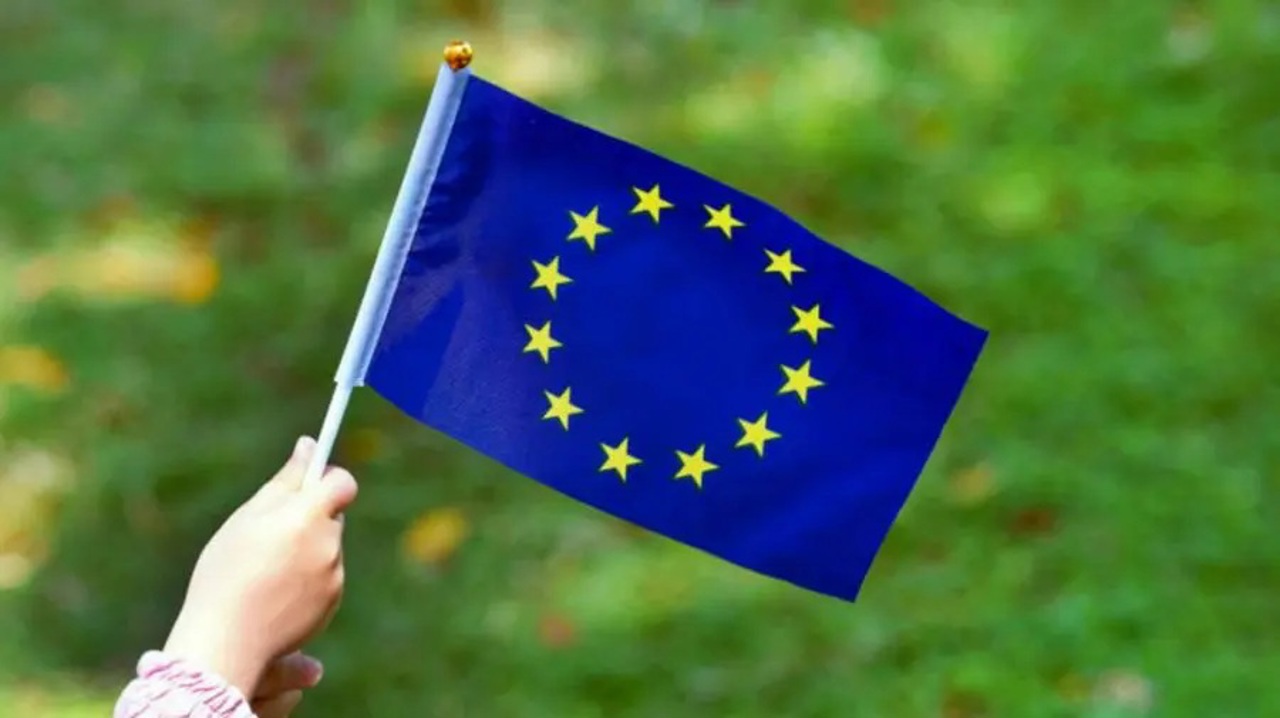
Dozens of students from European Clubs in the Republic of Moldova are participating in 'The European Course' board game this week, an initiative designed to deepen their knowledge of the European Union (EU) and the country's European integration process.
The event, organized in an informal and interactive format, brings together young people interested in EU values and the Republic of Moldova's journey toward accession.
The game takes participants on a symbolic journey through the capitals of the EU member states, while also encouraging the promotion of Moldovan culture and the establishment of "partnerships." Through question cards, students gather information on European institutions, history, legislation, and community programmes.
The organizer, Mădălina Jaloba—a student at the "Aristotel" Republican High School and a member of the Young European Ambassadors Initiative—explained that the main goal is to make young people understand the complexity of the integration process. "This is a board game designed to make young people understand what it means for the country to be part of the European Union and what the partnership with the EU entails," she told Radio Moldova. According to her, the questions cover a wide range of topics, from festivals specific to member countries to the languages spoken across the EU.
Students involved in the initiative say the activity is useful and engaging. Artiom, a student at the "Vasile Alecsandri" High School in the capital, said he immediately accepted the invitation because he found it interesting and wanted to find out more. "Even if some questions require additional research, we are taking away a lot of knowledge. For example, I learned that Malta is the last country to have joined the EU," he said.
In the same spirit, Arina and Emma, both students at the "Spiru Haret" High School in Chișinău, emphasized the game’s educational value. "This informative game could greatly help students and future voters gather as much information as possible about the EU. This way, we are also more informed and confident citizens," stated Emma, advising other young people to join European Clubs.
Another interesting detail came from Sofia, also from the "Spiru Haret" High School: "I didn't know that the name 'Schengen' comes from a small village in Luxembourg where the act was first signed."
Mădălina Jaloba added that, although the participants' level of knowledge differs, the game is designed to provide explanations for every correct answer, thus ensuring that all young people, even those with limited initial knowledge, go home with a variety of new information and curiosities about the European Union.
Translation by Iurie Tataru