Russia defense sector slowdown confirmed by new Rosstat data
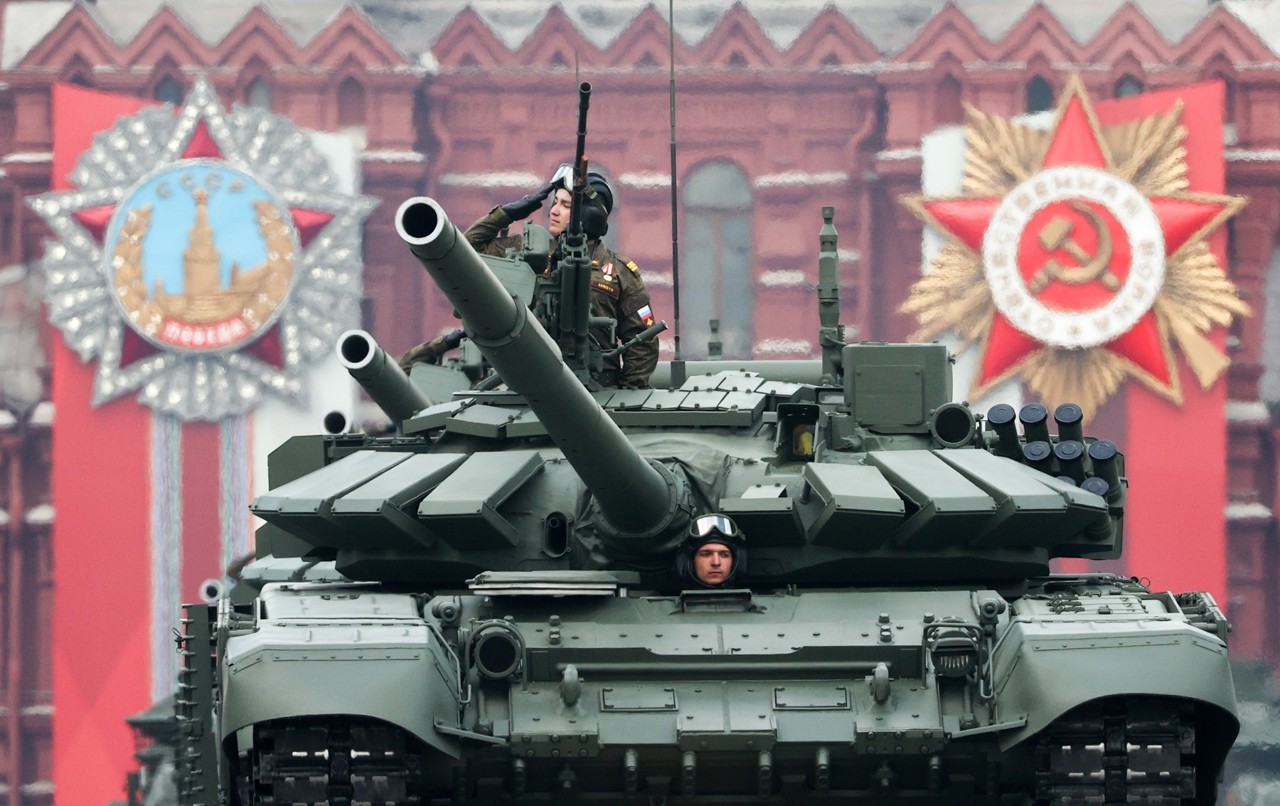
The Russia defense sector is showing signs of a slowdown after three years of robust growth fueled by the war in Ukraine, the Kyiv Post reports.
Rosstat data from the national statistics agency suggests that the military-industrial complex, which forms the backbone of the Russian war economy, could be nearing stagnation after three years of double-digit expansion, the independent news outlet Moscow Times reported.
Firms linked to the defense industry saw production stagnate or decline in September for the first time since 2022.
The numbers reveal sharp contractions in key categories. Following a more than 20% year-on-year surge in August, the production of "fabricated metal products" fell by 1.6% the following month, according to Rosstat figures. This category had previously seen strong growth, registering 26.4% in 2023 and 31.6% in 2024.
Meanwhile, the production of "other transport equipment," including tanks and armored vehicles, saw its growth rate plunge to just 6% year-on-year, sharply down from over 60% in August.
Analysts from the Russian consultancy firm MMI described the data as "shocking," noting that the sector, which previously boosted the overall production index, was now dragging it down.
Overall Russian production grew by only 0.4% in September, a significant drop from 2.4% in August, the newspaper noted.
An analyst at PSB Bank observed that September's output was the weakest since the start of 2023. They further stated that industrial production in Russia, the country's largest economic sector, accounting for over 30% of GDP, "almost stopped growing."
Overall output managed only a 0.3% increase in September 2025, compared to a 5.6% rise a year earlier.
Furthermore, the newspaper cited the Economic Forecasting Institute of the Russian Academy of Sciences, which reported that 18 out of 24 manufacturing sub-sectors, together representing almost 80% of Russia's output, are now in recession.
In this context, the Central Bank of Russia cut interest rates on Friday in an attempt to sustain the economy, Digi24 writes. The reduction from 17% to 16.5% was the fourth consecutive cut since June, when the benchmark rate peaked at a wartime high of 21%. The Bank stated in a forecast that it expects interest rates to average 13%–15% in 2026, up from a previous prediction of 12%–13%, justifying its increased outlook by the need to combat high inflation and labor shortages.
Translation by Iurie Tataru