Moldova wins first place again at the 2025 Intel AI Global Impact Festival
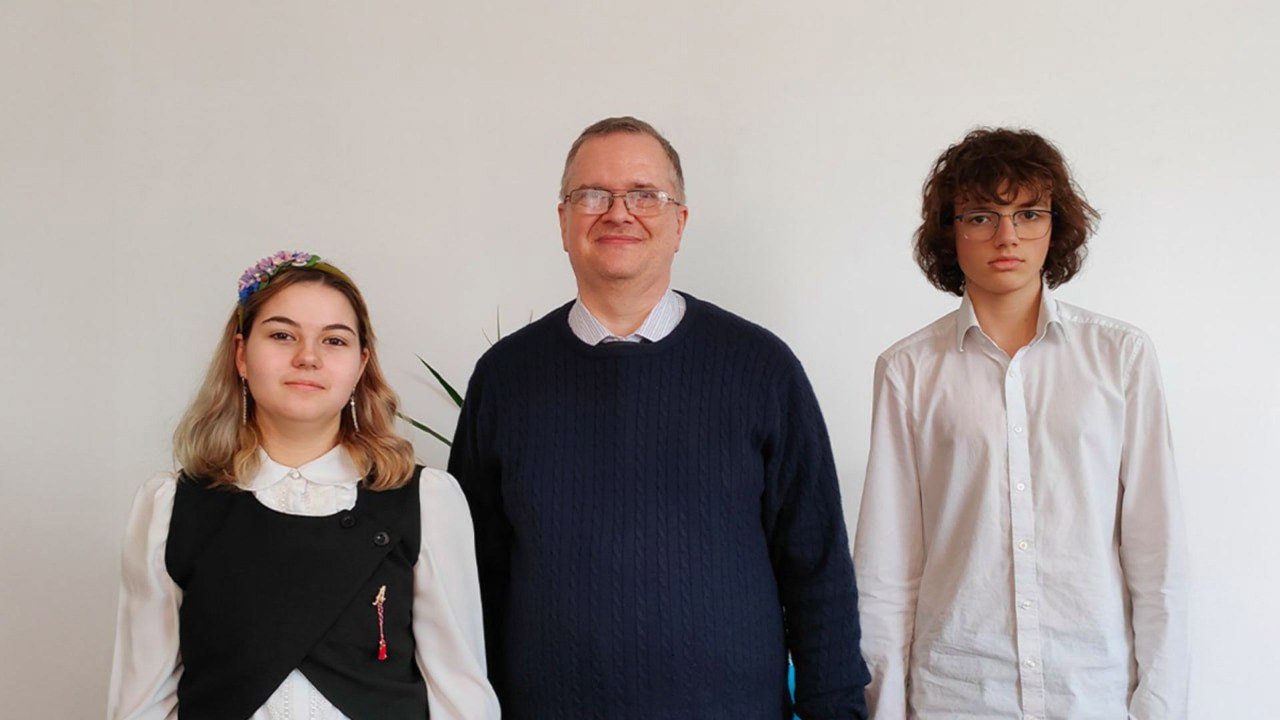
The Republic of Moldova has strengthened its position in the global digital education innovation landscape by winning first place at the Intel® AI Global Impact Festival 2025. Students Anastasia Batrîncea and Daniil Voznii, from the "Nicolae Milescu Spătaru" Theoretical Lyceum in Chișinău, triumphed in the 13-17 age category with their project, EDU-RAG. This private, offline AI tutor can answer students' questions in multiple languages and runs on standard computers without a GPU. Moldova outperformed 109 teams from 33 countries, including the USA and Singapore.
"This victory confirms that our young people, supported by strategic partnerships like the one with Tekwill and programs like "Tekwill in Every School", have real skills and innovative ideas. We are investing in digital education and STEM so that all students - regardless of resources - have access to modern tools and transform innovation into useful solutions,” said Dan Perciun, Minister of Education and Research of the Republic of Moldova.
The EDU-RAG program, created by the two winning students, functions as a digital learning assistant that explains lessons and exercises step by step, even without an internet connection, according to a press release from the Moldovan Association of ICT Companies.
“We created EDU-RAG so that all students can have quick and clear help when they need to learn. We want every student to understand the lessons more easily and progress without barriers,” said Anastasia Batrîncea and Daniil Voznii, the global winners of the competition.
Professor Albert Lobanov, the team’s mentor, believes that the success is the result of a school culture based on creativity and critical thinking: “Last year we won 1st place nationally, and this year we reached 1st place globally - a performance that demonstrates not only the exceptional talent of our students, but also the lyceum’s commitment to cultivating innovation and a competitive spirit at the highest level.”
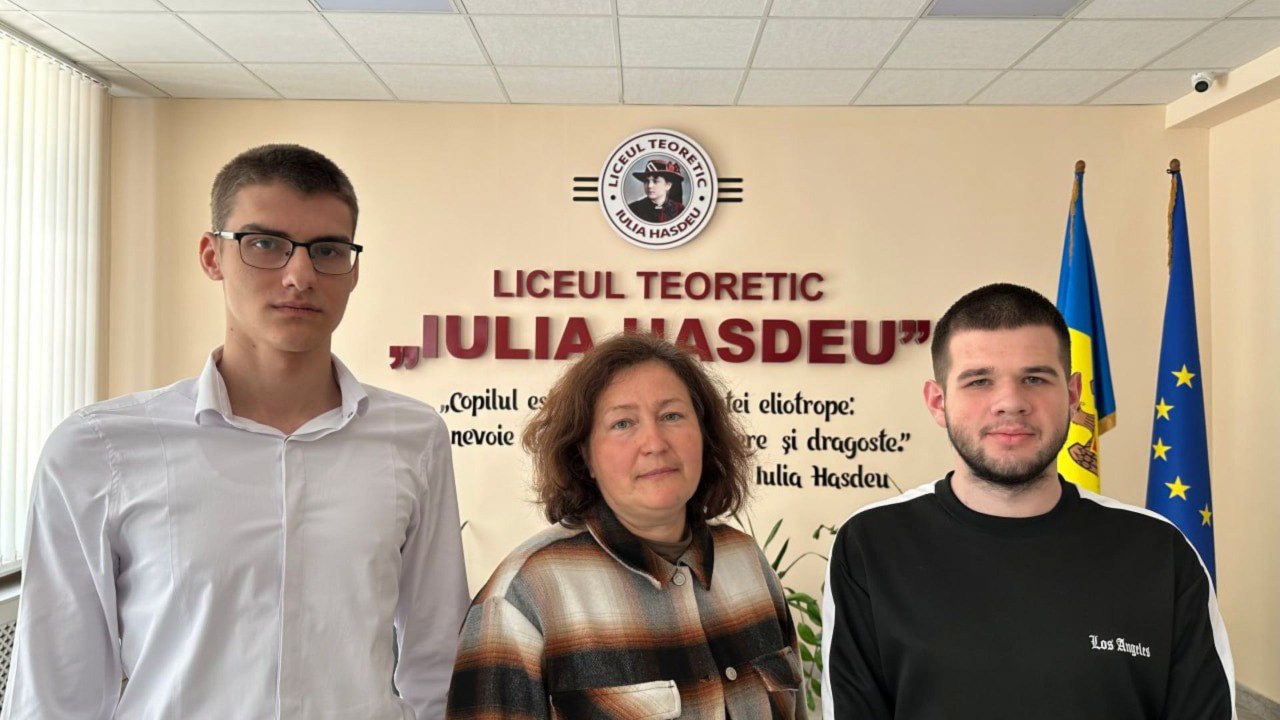
In addition to the global victory, students Cristian Gluhu and Damian Basoc, from the “Iulia Hasdeu” Theoretical Lyceum in Chisinau, received a mention for their SmartCare project, an AI mobile application that analyzes medical images directly on the device, providing rapid preliminary assessments for communities with limited resources. The project demonstrates the applicability of AI technologies in public health and in rural areas without advanced medical infrastructure.
“For over 5 years, students from the Republic of Moldova have been participating in the Intel® AI Global Impact Festival, achieving important results for the country. In 2024, they won globally for the first time, and this year they maintained their tradition and brought home 1st place again. These performances show that, through access to state-of-the-art tools and knowledge, our students can transform innovative ideas into concrete projects that bring value to their communities and develop essential skills for the future”, emphasized Ana Chirița, Director of Strategic Projects, Moldovan Association of ICT Companies.
The Republic of Moldova has a consolidated tradition at the Intel AI Global Impact Festival competition, achieving notable performances in the last five years:
2024 - 1st place globally with the MediScan project, an AI platform for rapid medical diagnosis.
2022-2023 - Awards for projects such as AGROOTS: Accessible Agriculture, Automatic Waste Detection and Sign Language Recognition System.
2021 - Professor Dorin Sas, the first Moldovan winner at the international level.
The teams' success is possible thanks to the partnership between Tekwill and the Ministry of Education and Research, through the "Tekwill in Every School" (TIFS) program, which offers students free access to Artificial Intelligence courses developed in collaboration with Intel. Currently, the program connects 572 schools, involving over 100,000 students and 3,600 teachers, and contributes to the development of digital and STEM skills for the professions of the future, the cited source states.