Electric vehicles Moldova sales skyrocket by 190%
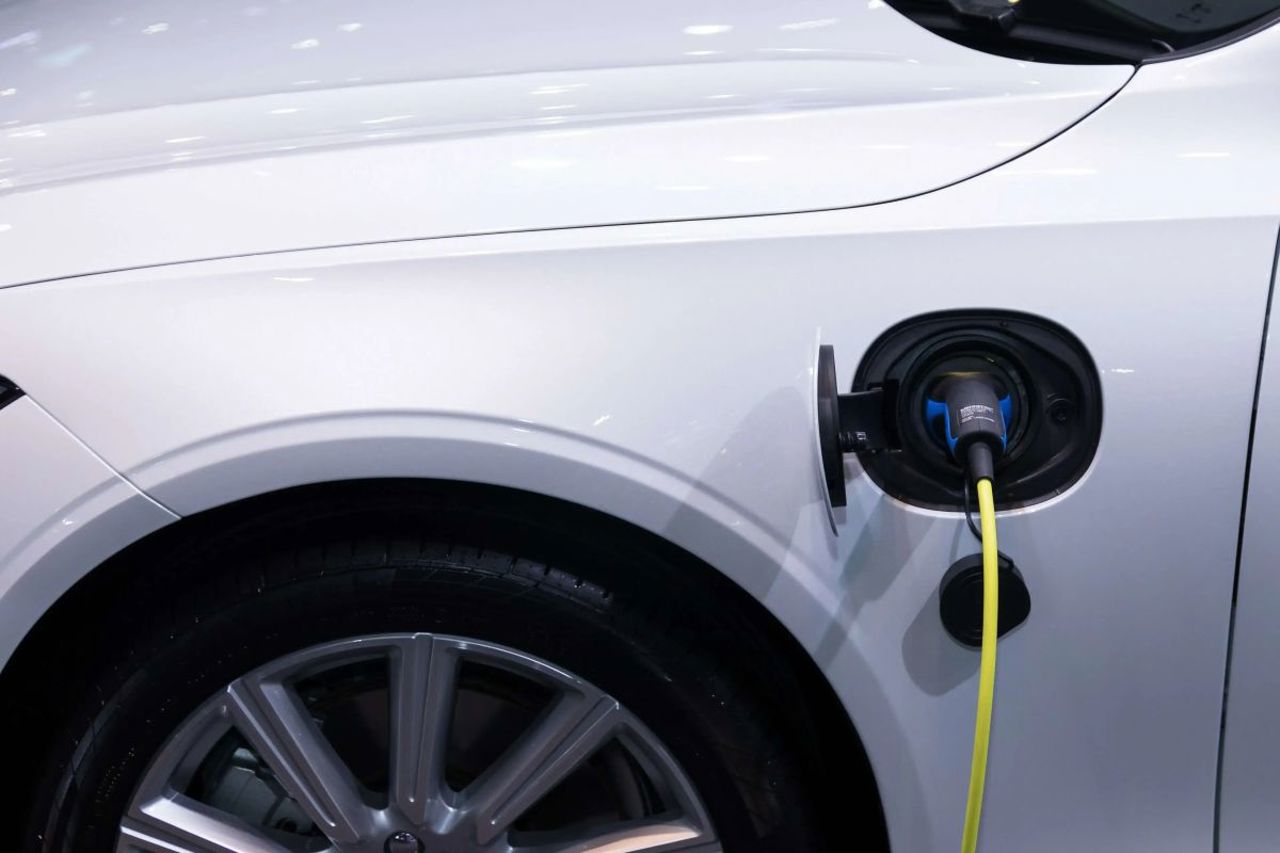
More and more Moldovans are abandoning traditional internal combustion engine cars for electric vehicles (EVs) and hybrid cars.
In a single quarter, the number of Electric Vehicles Moldova saw a spectacular 190% growth, according to data from the National Center for Sustainable Energy (NCSE). Experts stress that this is more than just a passing fad—it's a critical stride toward clean transport and more efficient integration of renewable energy sources.
"This is a very current topic. Electric transport is consistently gaining market share," stated Irina Țerigradean, Head of Directorate at the NCSE, during an interview with Radio Moldova's "Zi de Zi" show.
She elaborated: "The figures we published, processed from the Public Services Agency data, clearly demonstrate this surging trend for both EVs and hybrid cars in Moldova. For context, the European Union registered only 55,000 electric vehicles in 2011. By 2021, that number was over seven million, and by the end of 2024, it exceeded 42 million."
Factors driving the 190% surge
The expert attributes the Republic of Moldova's impressive 190% surge in one quarter to multiple factors influencing the Moldovan auto market.
"Indeed, the number of both EVs and hybrid cars has increased significantly. We currently register over 82,000 such vehicles, including 9,015 full electric and 73,000 hybrids," Țerigradean explained. "Primarily, the high price of fuel is a key motivator. Hybrid cars consume considerably less, and EVs consume none. Moreover, the concept of electric mobility is now firmly established in the Moldovan market, and citizens are familiar with it. Users confirm that these vehicles are efficient and genuinely environmentally friendly."
State-sponsored fiscal incentives
The NCSE representative also underscored the significant fiscal incentives provided by the government.
"For Electric Vehicles, the import excise duty is zero. Plug-in vehicles receive a 50% reduction, and hybrids get 25% off," she detailed. "Furthermore, EVs are exempt from the road tax and are distinguished by the green license plates we increasingly see across the city."
A developing culture of ecological transport
Irina Țerigradean believes the Republic of Moldova is fostering a culture of ecological transport.
"Many citizens, especially during heavy morning traffic, are aware of the noxious exhaust fumes. The noise from diesel cars is also disturbing. All these aspects—environmental concern and comfort—are pushing us towards cleaner, more ecological transport," she pointed out.
"In parallel, EV charging infrastructure has rapidly expanded. Many shopping centers and new residential buildings now include charging sockets, aligning the private and residential sectors with this concept," the official added.
Currently, there are approximately 200 charging stations (both fast and slow) operating across the Republic of Moldova.
"While slow charging is generally better for battery longevity, which improves the performance of an Electric Vehicle, the lack of fast stations on national roads remains a challenge for longer trips," the expert noted. "Nevertheless, higher-range cars can easily cover the distance to the country's north or south without issue."
Țerigradean highlighted the national Mobility Strategy until 2030, which targets increasing the share of EVs and Hybrid Vehicles to 15% of all cars in the Republic of Moldova, up from the current 6%. "To achieve this goal and strengthen the Clean Transport Strategy, programs to subsidize the purchase of new Electric Vehicles will be implemented, as used vehicles naturally offer inferior performance," she said.
EVs as a solution for energy surplus
Addressing the concern that the growing number of electric cars might strain the energy grid, Irina Țerigradean countered that the situation is, in fact, favorable.
"Particularly in the summer, there are days when electricity production from renewable energy sources exceeds the system's absorption capacity," the NCSE employee explained. "It is highly recommended that this surplus energy be used for charging Electric Vehicles, such as during peak production times around noon. Thus, the consumption by electric cars becomes a compensatory solution for the energy surplus."
The specialist concluded that the Moldovan auto market will continue its rapid transformation.
"We are committed to the same direction—towards EVs and Hybrid Vehicles. Efforts are underway to expand the EV charging infrastructure on national roads to alleviate drivers' range anxiety, alongside new subsidy measures for purchasing new cars," she stated.
Chinese car brands surge in popularity
A growing number of drivers in the Republic of Moldova are opting for cars made in China. Auto expert Constantin Mihalache attributes this success to better quality and more accessible prices.
"Chinese cars have significantly improved in quality. Twenty years ago, they weren't competitive with European models, but they have evolved remarkably. Chinese Car Brands have established partnerships with renowned car companies, and some models are now dominating the market. The varied offerings, accessible prices, and promising future of these brands are undeniable," Mihalache emphasized.
The expert noted that the Chinese market is led by four major corporations and numerous sub-brands, many of which are investing hundreds of millions of dollars in new model development.
"The choices for customers in the Republic of Moldova are expanding significantly, and I see no reason why someone wouldn't choose a Chinese car," Mihalache added.
Diesel is losing ground on the Moldovan auto market
Regarding engine types, the specialist observes a clear shift: "A diesel car is inherently more expensive in terms of diesel car maintenance. Furthermore, the supply of diesel engines is shrinking due to increasingly stringent pollution regulations. Although some efficient Euro 6 models still reach the Moldovan auto market, the trend is evident: drivers prefer petrol or hybrids, which are quieter and more comfortable."
Mihalache also issued a cautionary note about the second-hand car market.
"Some small importers attract customers with very low prices, but many of those cars have been damaged, flooded, or modified. Vehicles must be meticulously inspected, including their history. A lack of available information does not indicate that the vehicle is sound," he warned.
Specialists strongly advise car buyers to make informed choices, prioritizing essential criteria like energy efficiency, diesel car maintenance costs, and the vehicle's history.
Translation by Iurie Tataru