Moldova targets 2026 EU pork export approval
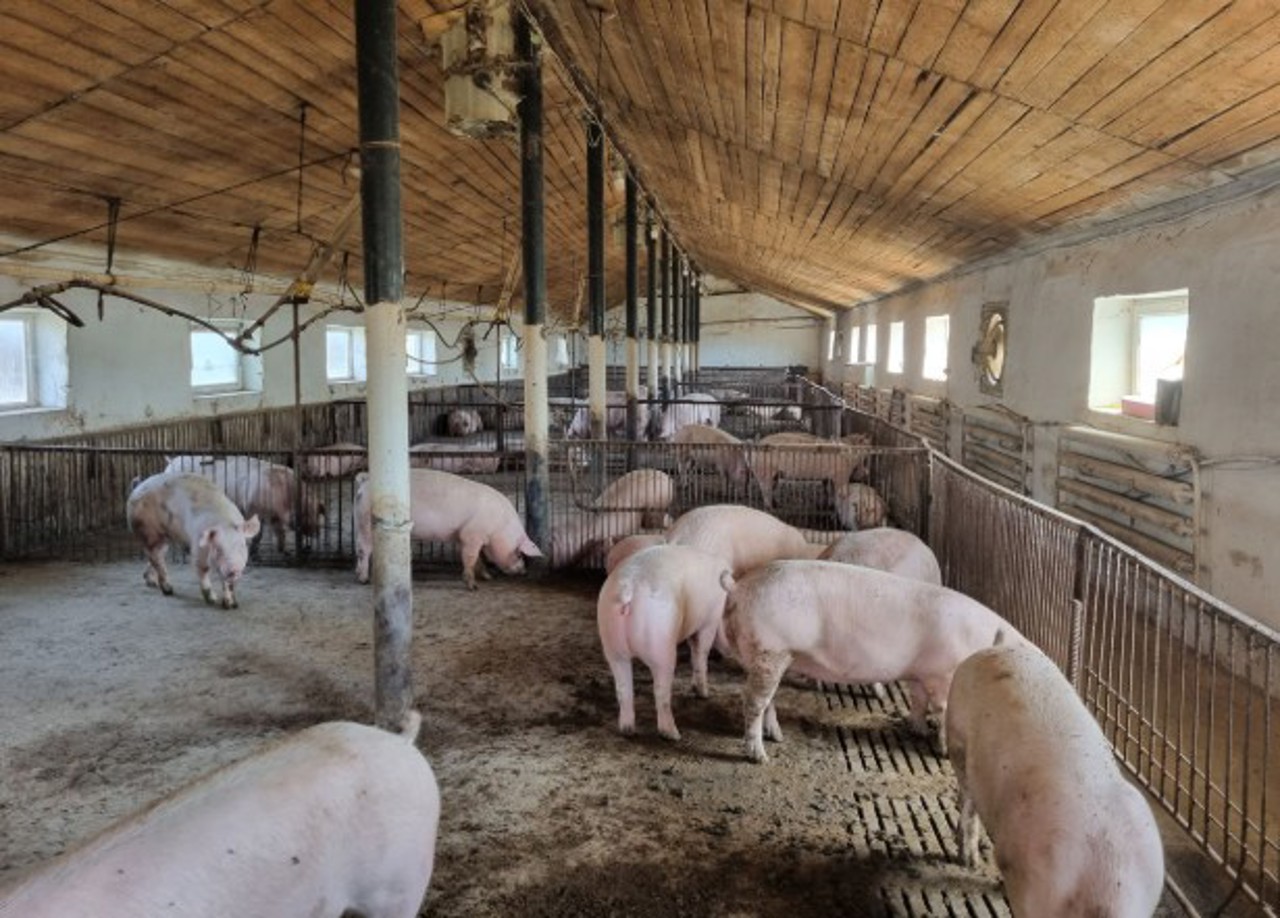
The Republic of Moldova (R. Moldova) is closer to securing the right to export pork to the European Union (EU) market, provided it passes the rigorous evaluation of European experts.
The first crucial inspection visits are currently scheduled for 2026, according to the Ministry of Agriculture and Food Industry (MAIA).
Developing the swine sector
Moldovan authorities are dedicating significant effort to the swine sector development. A detailed calendar for the EU expert evaluations in 2026 has already been set, confirmed Iurie Scripnic, Secretary of State at the MAIA, during the "Zi de Zi" broadcast on Radio Moldova.
"On-site inspections will target both the major economic agents involved in raising and fattening pigs, and the slaughtering units. We are confident we will successfully pass this critical test and secure final approval for pork exports," the Secretary of State stated.
African Swine fever decimates meat production
Despite these forward-looking plans, the sector faces serious setbacks. Meat production dropped by over 10% in the first nine months of the current year compared to the same period last year. The primary culprit for this significant decline was severe outbreaks of African Swine Fever (ASF).
"We dealt with two large outbreaks of African Swine Fever affecting some of the largest players in pig farming. Consequently, following the eradication process, 118,000 head of pigs were slaughtered and destroyed. This loss had a clear and notable impact on the total live weight across the national livestock sector," explained Scripnic.
Dairy and egg production soars
In contrast to the challenges in the swine sector, data from the National Bureau of Statistics reveals a substantial surge in raw milk production and eggs, particularly on commercial agricultural farms. Raw milk production has dramatically increased by approximately 23% in the first nine months of the year.
This robust growth is a direct validation of the efficiency of the support policies and Moldovan agriculture subsidies implemented within the livestock sector.
"This success is largely attributed to the policies promoted by the Ministry of Agriculture and Food Industry in recent years, which specifically encouraged farmers to invest heavily in the dairy sector," Scripnic told journalist Svetlana Bogatu.
Incentives drive modernization and genetic performance
He specified that these initiatives include new subsidy programs, funds secured from external donors, and dedicated projects for expanding dairy cattle farms. "Subsidization measures, including per-kilogram-of-milk grants, have successfully incentivized the selection of animals with superior genetic performance. Furthermore, strategic investments were channeled into purchasing purebred cattle from abroad, a move that significantly boosted overall productivity," he added.
The official highlighted a critical shift: while authorized livestock farms saw a substantial rise in raw milk production, the volume produced by household farms declined.
"The explanation is straightforwardly economic: maintaining animals under traditional home conditions is increasingly costly. The lack of modern technologies, stringent quality standards, and essential biosecurity measures renders the activity financially unviable. More farmers now recognize that only continuous investments in cutting-edge technology and high-performance genetics can ensure a competitive and sustainable production model," Scripnic underscored.
New export successes: Eggs and poultry
The data is also highly encouraging for egg production, especially since Moldovan farmers obtained the crucial right to export category A and B eggs to the European Union in 2023. "Significant investments were poured into facilities, with intensive work to ensure all stringent safety and quality standards were met," the specialist confirmed on public television.
Further demonstrating policy effectiveness, Moldovan producers also secured authorization to export chilled poultry meat in 2024.
Future focus: Beef and diversification
The MAIA remains committed to supporting the growth of other livestock sector branches, notably cattle farming. This commitment serves a dual purpose: ensuring the domestic supply of milk and meat while simultaneously enhancing the export capacity for dairy products and beef.
In a move towards diversification, the authorities are also promoting investments in sheep and goat farming, aiming to strengthen and consolidate the national livestock sector as a whole.
Translation by Iurie Tataru