Moldova sees visible progress in EU internal market alignment
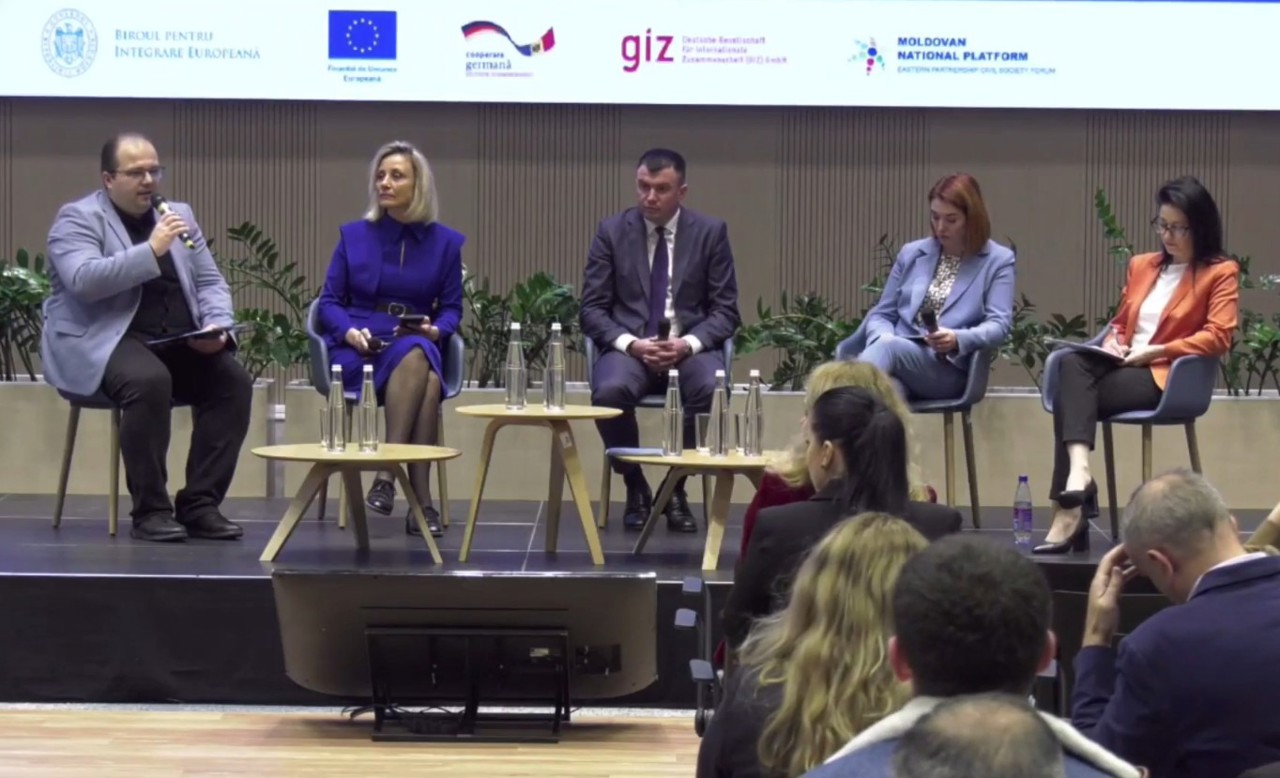
The alignment process of the Republic of Moldova with the European Union's (EU) internal market standards is making visible progress, according to authorities and business representatives.
Access to the single European market represents a major opportunity for Moldova's economic development, enabling local companies to compete on equal terms with EU firms.
This was stated by former Minister of Economic Development and Digitalization, Doina Nistor, during the panel dedicated to Cluster II – "Internal Market," at the "Enlargement Report 2025: Progress and Future Priorities of the Republic of Moldova" conference, held on November 11 in Chișinău. The conference served as a platform for authorities, civil society, the business environment, and European officials to discuss the country's progress, as noted in the latest Enlargement Report approved by the European Commission on November 4.
Quality infrastructure and free movement of goods
Former Deputy Prime Minister Doina Nistor emphasized that Moldova must correct its trade balance and increase the number of companies exporting goods and services.
"Regarding exports to the single European market, quality infrastructure is vital," Nistor stated. "The more aligned we are with EU standards and comply with them through the goods produced or present in our market, the more competitive and better integrated we will be in the European market."
Among the major achievements, Nistor highlighted the transposition of 38,107 European Standards, demonstrating the extensive reforms in quality infrastructure. She confirmed that the adoption rate for the European quality standards CEN and CENELEC is currently 100%.
"Starting January 1, 2026, we are giving up GOST standards, thus moving closer to European infrastructure. For telecommunications standardization, we have reached approximately 88 to 89%," Nistor specified.
Regarding the digital economy and telecommunications infrastructure, Nistor explained that the accelerated transposition of European standards reduces certification and testing costs, stimulates exports, and facilitates access for Moldovan producers to the single European market.
The process is scheduled for completion by the end of 2027, coinciding with the signing of the Agreement on Conformity Assessment and Acceptance of Industrial Products (ACAA). This agreement will ensure the mutual recognition of European standards and the free movement of goods.
Nistor also stressed the importance of the Services Directive (Directive 123), which is key to stimulating service exports and supporting the economy's structural transformation.
"The Ministry of Economic Development and Digitalization coordinates the transposition of the Directive and collaborates with all relevant institutions to facilitate the mobility of professionals and companies on the European market," Nistor added. "In 2025, we initiated a screening of over 800 normative acts for its implementation, a process set to finalize in December-January."
Referring to competition policy, Nistor argued that the state must become an active player in economic development, not merely a 'corrector of market dysfunctions.' She underlined the importance of state aid schemes to stimulate corporate competitiveness, the adoption of modern technologies, and productivity growth.
SEPA and financial system alignment
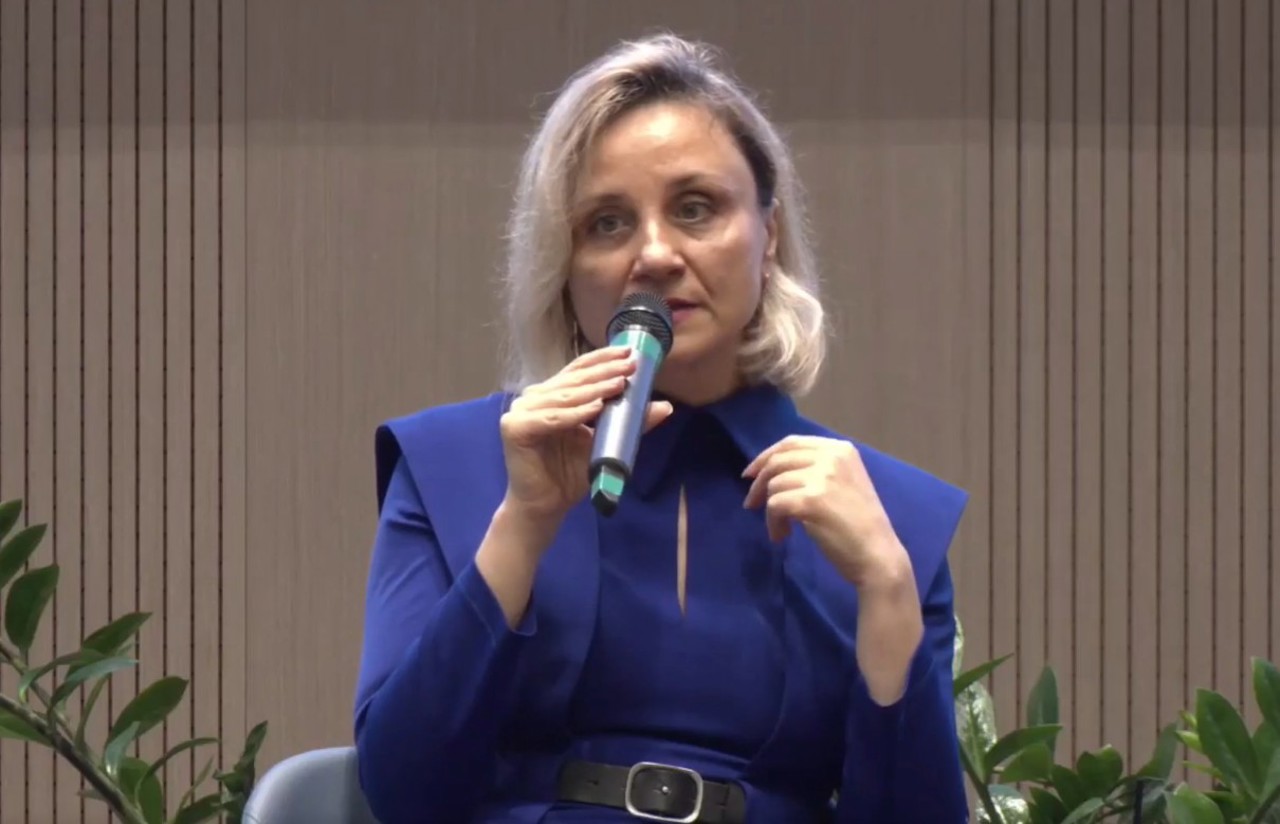
The First Vice-Governor of the National Bank of Moldova (NBM), Petru Rotaru, highlighted the profound transformations in the financial system following the Republic of Moldova's accession to SEPA (Single Euro Payments Area), which became operational in October 2025.
"SEPA has brought several positive aspects: the application and transposition of European directives, as well as the associated 'training' and practical understanding required to implement the framework in the Republic of Moldova," Rotaru stated.
The NBM representative also announced maximum current efforts to clarify inconsistencies and facilitate the digitalization process. "The digitalization of certain advanced processes facilitates transactions, eliminating the need for human involvement in transaction analysis," the NBM First Vice-Governor pointed out.
Rotaru noted that, by 2026, the entire banking system of the Republic of Moldova is to be fully aligned with the acquis communautaire, through a gradual implementation process.
"An important aspect that will interlock and influence each other is the guaranteeing of bank deposits," Rotaru explained. "This will stimulate citizens to keep their savings in commercial banks."
He detailed the target: "If today the minimum guarantee level for deposits is 200 thousand lei, we must reach a level of 2 million lei, which is 100 thousand euros. Guaranteeing a higher level of deposits will create the premise to attract financial resources into the banking system, directly contributing to the country's economic development."
Free movement of workers and EURES
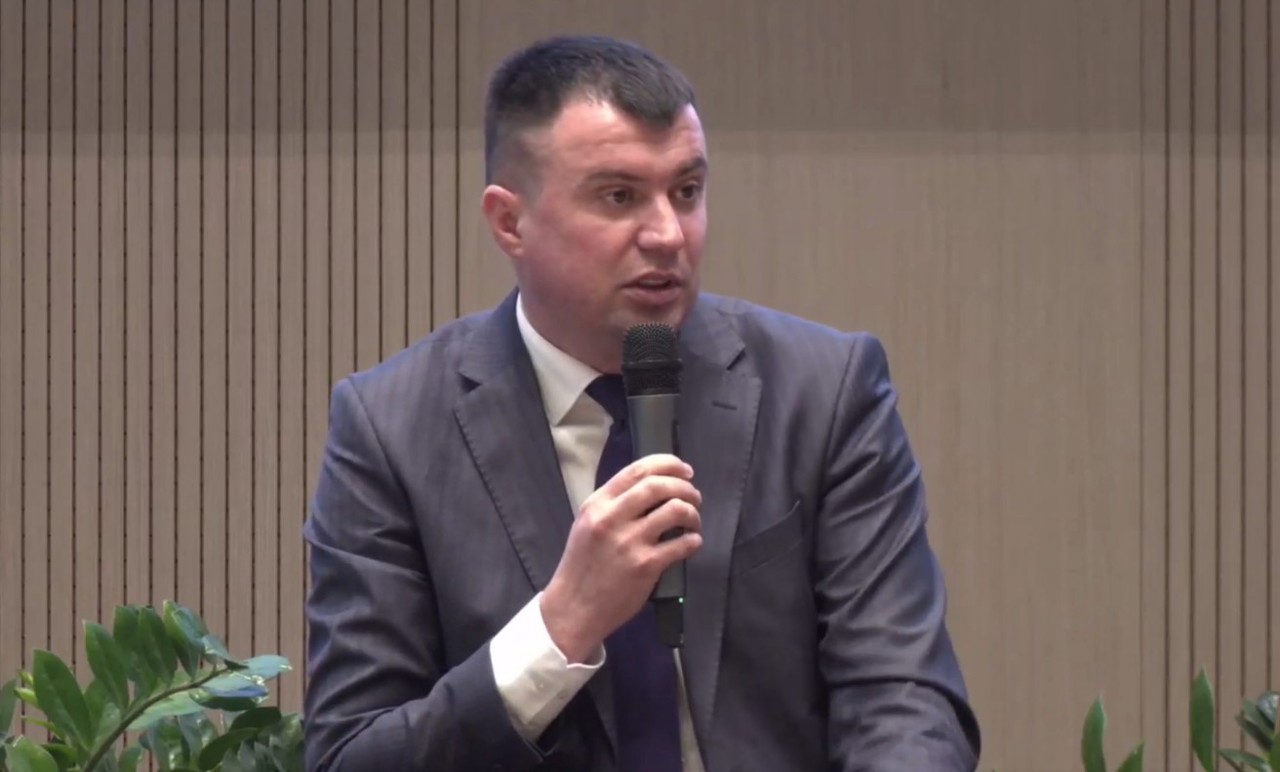
The Minister of Labor and Social Protection, Natalia Plugaru, reported on the progress in the Free Movement of Workers, a core pillar of the EU internal market.
Plugaru emphasized that while important steps have been taken, some areas still require consolidation to advance the European integration process.
"The Free Movement of Workers is, indeed, a fundamental right," the Minister asserted. "When we transpose directives or implement measures, we ensure that any European Union citizen can work in any country without discrimination, have access to the labor market, have their qualifications recognized, and have access to social protection."
Plugaru confirmed that the ministry's actions guarantee these same rights for Moldovan citizens working in the European Union. A notable achievement this summer was the adoption of the Law on the Free Movement and Residence of EU Citizens and their Family Members in the Republic of Moldova, developed with the Ministry of Internal Affairs. This new framework regulates the conditions for residence, activity, and studies for EU citizens in the country.
"We have made great progress in connecting the labor market with EURES – an employment services network coordinated by the European Commission, which effectively links the labor markets of member states," the Minister explained.
The Republic of Moldova has designated the National Agency for Employment as the national coordinator of the EURES network. Furthermore, significant steps have been taken to align professional qualifications and the occupational list with EU standards through legislative changes and government decisions.
Private sector view: Stability and dialogue
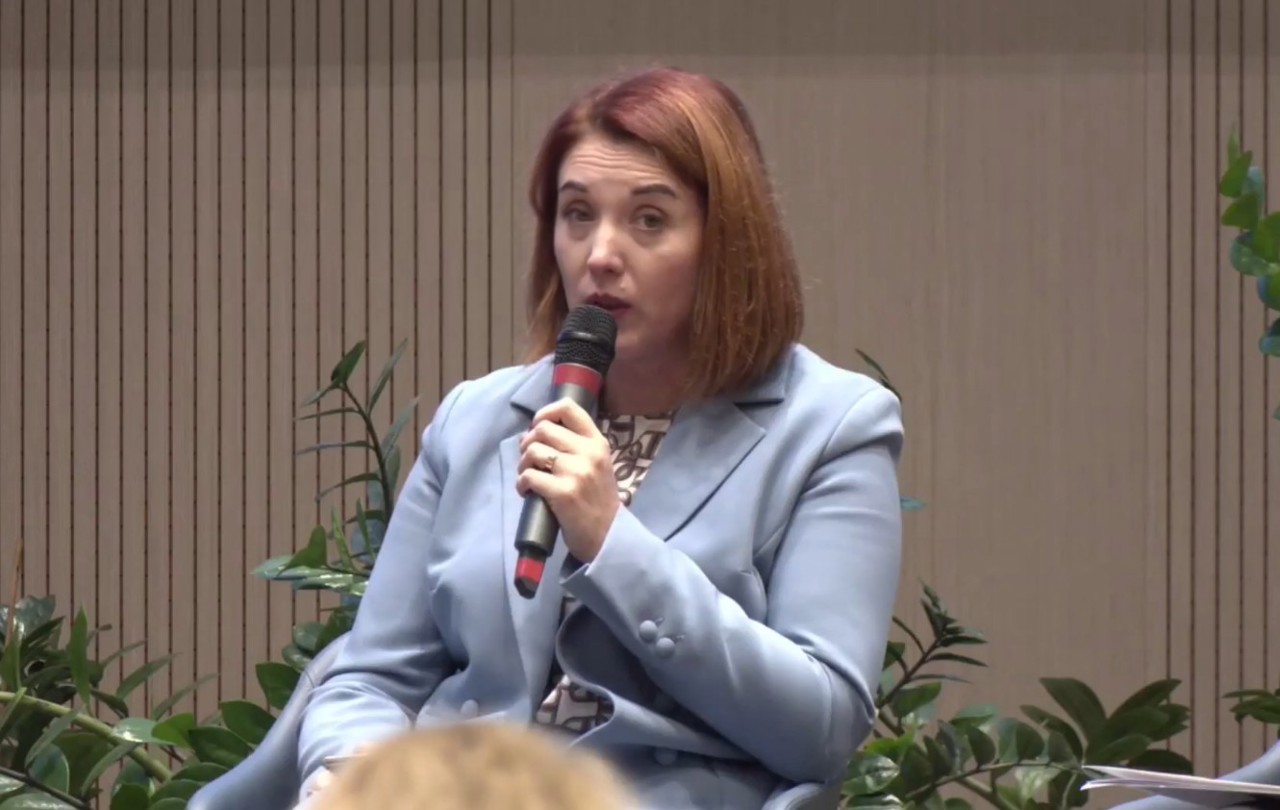
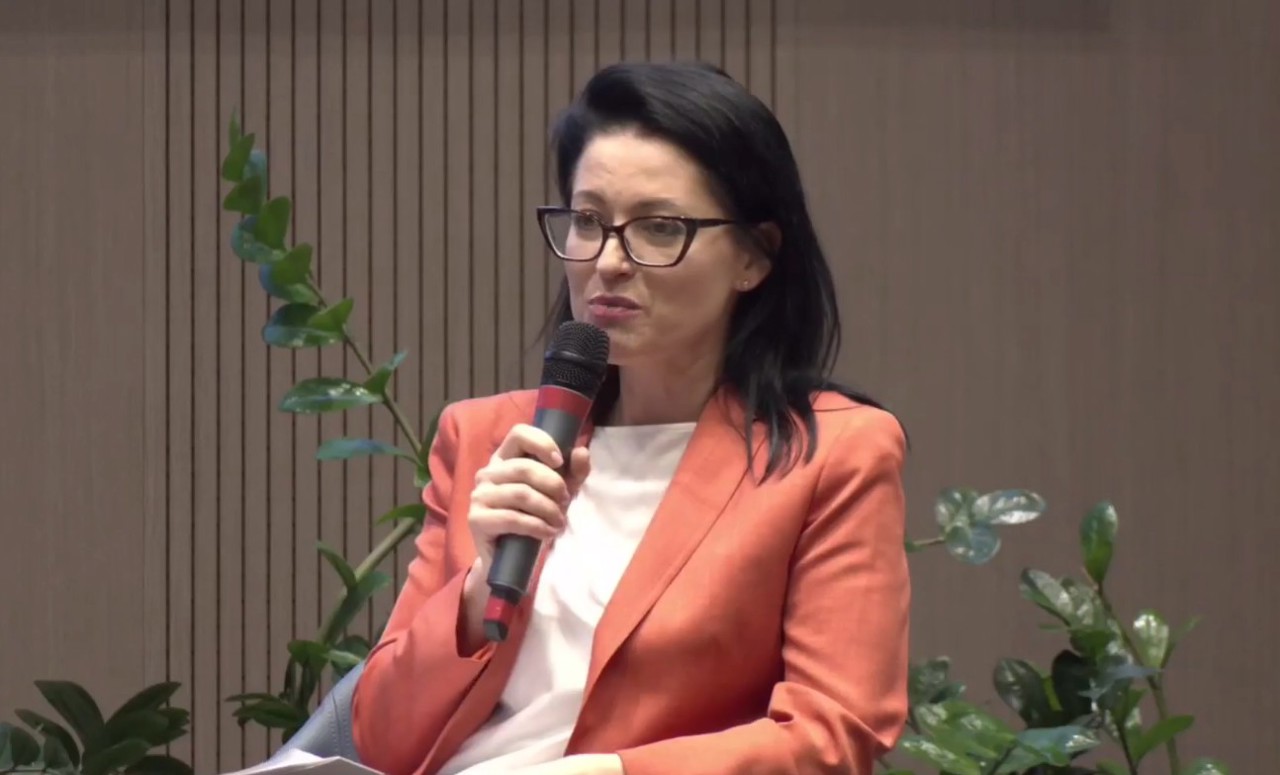
From the private sector perspective, Carolina Bugaian, President of the European Business Association (EBA Moldova), affirmed the business environment's firm support for European integration but requested a stable and predictable legislative framework.
"The business environment is the body that generates added value. We cannot function separately from the state; we must work together for development," Bugaian declared.
Bugaian praised the adoption of over 38,000 European standards and the progress in digitalization and debureaucratization, including the recognition of electronic signatures.
However, she stressed the need to improve dialogue between authorities and the private sector through structured consultations and transparent communication.
"There is a need for structured feedback from member companies to consolidate and ensure communication with Government representatives," Bugaian proposed. She cited The Prime Minister's Economic Council platform as valuable for consolidating feedback across clusters and industries, suggesting the creation of dedicated consultation platforms for the most affected sectors.
Translation by Iurie Tataru