Moldova urged to uphold rule of law for EU Growth Plan
Authorities in the Republic of Moldova are urged to consolidate the rule of law, uphold the rights of children and persons with disabilities, improve labor legislation, and enhance Government cooperation with civil society organizations.
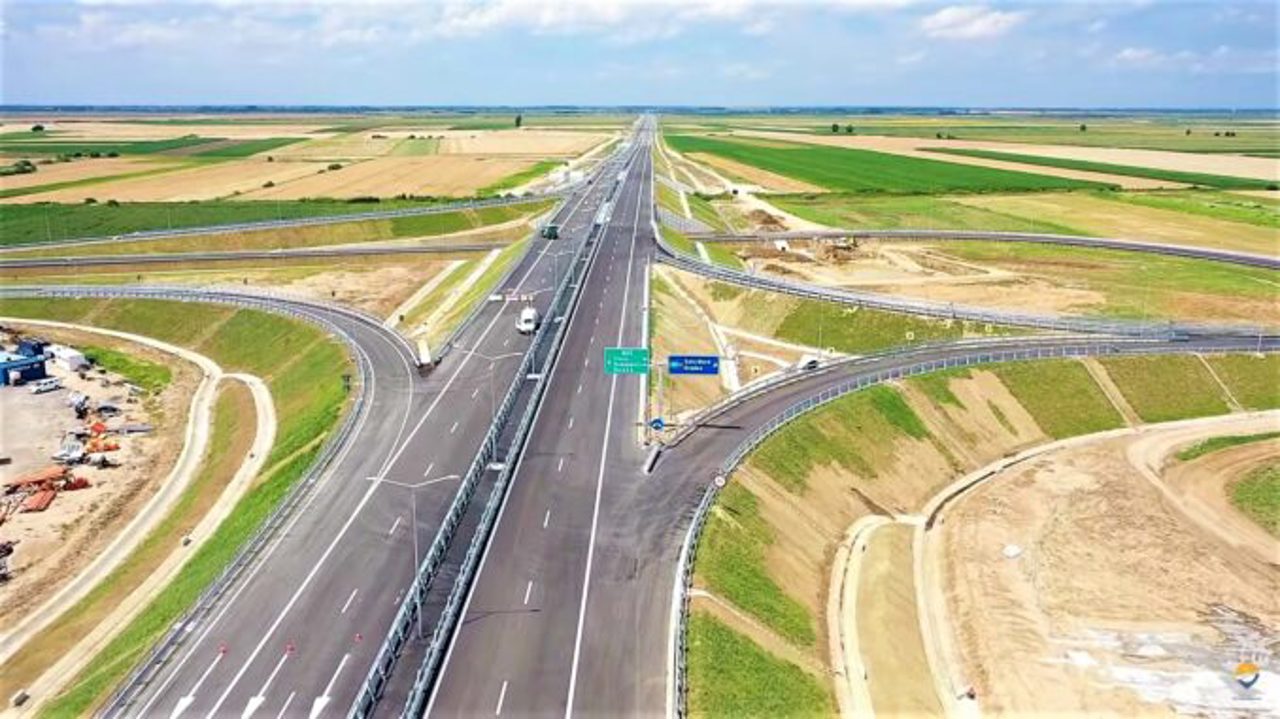
These actions are deemed vital for the successful implementation of the EU Growth Plan, which provides $1.9$ billion euros in financing.
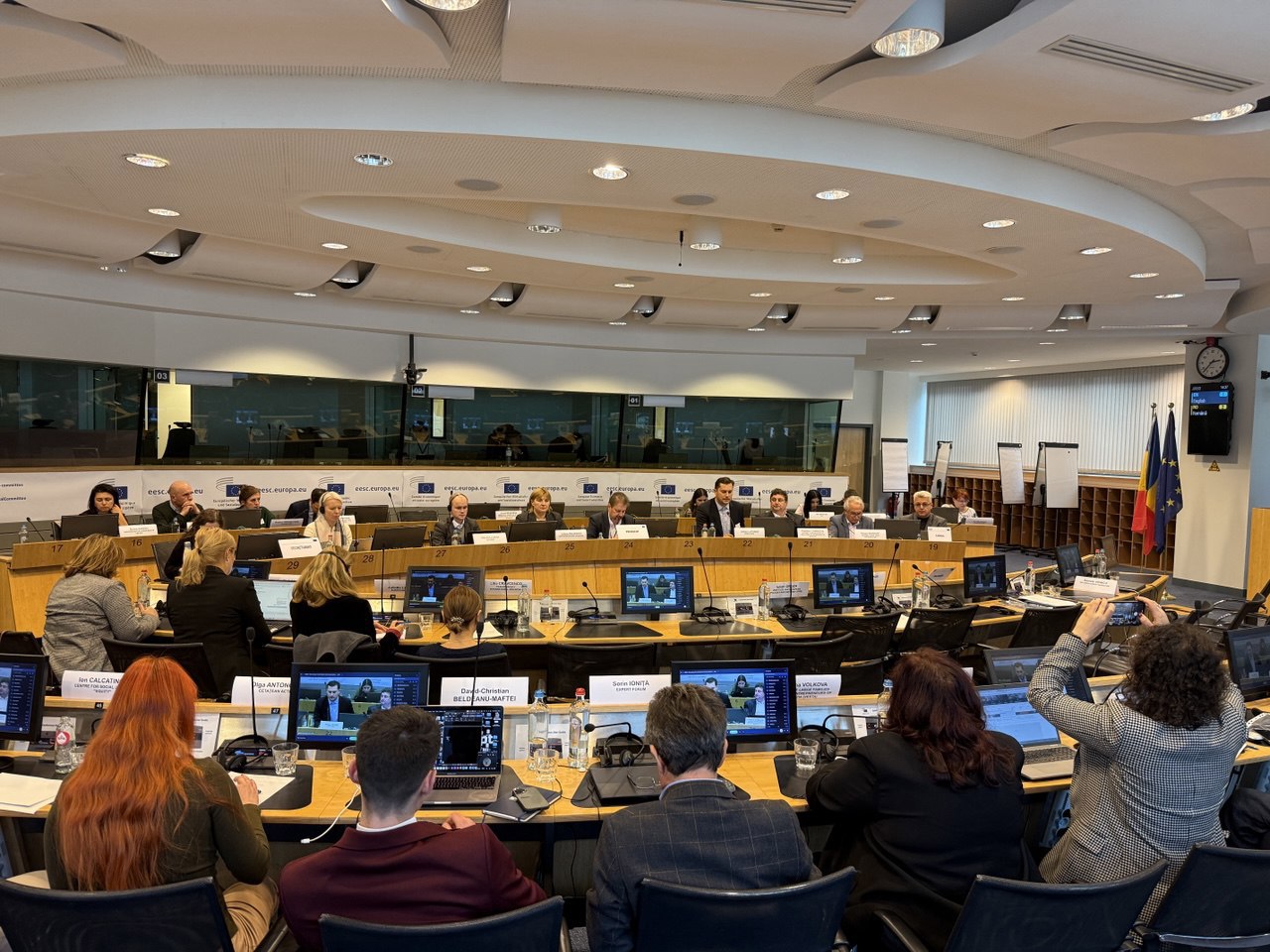
The recommendations are featured in the joint statement adopted at the conclusion of the 16th edition of the European Union – Republic of Moldova Civil Society Platform, held on November 11 in Brussels.
The event focused on analyzing Moldova's progress and challenges in its European integration process, with a primary emphasis on Social reform and sustainable Economic development.
The joint statement, consulted by the Teleradio-Moldova correspondent in Brussels, welcomed the results of the September 28, 2025, parliamentary elections. Participants view these results as confirmation of strong citizen support for Moldova EU integration. Members of the Civil Society Platform also congratulated local institutions and civil society for their demonstrable resilience in the face of external interference.
The Platform highlighted the completion of the bilateral screening process—an essential step in the accession negotiations. Furthermore, the European Commission's 2025 Enlargement Package Report confirmed substantial progress by the Republic of Moldova, particularly regarding the rule of law, public administration, and the effective functioning of democratic institutions.
The European Commission assessment deems the Republic of Moldova ready to open three negotiation clusters: Cluster 1 "Fundamental Values," Cluster 2 "Internal Market," and Cluster 6 "External Relations." Consequently, the Civil Society Platform called on the European Council to swiftly approve the formal opening of all negotiation clusters.
The joint statement also stressed the importance of EU financial and investment support. This includes the call to stimulate European investments in the Republic of Moldova and the additional unblocking of $18.9$ million euros under the Reform and Growth Facility.
Participants also welcomed Moldova's adherence to the Single Euro Payments Area (SEPA) and the deepening of digital cooperation, including in cybersecurity and connecting the country to the EU's roaming area.
Social Reform and Protection of Disability Rights – Major Priorities
The Civil Society Platform’s autumn session in Brussels called for accelerating the shift from institutional care for children to family and community-based services, strengthening protection for persons with disabilities, and implementing the European Child Guarantee. Participants emphasized the essential role of civil society in monitoring, innovation, and sustaining the reform process.
Discussions also addressed the professional and social integration of persons with disabilities, highlighting specific problems: inadequate infrastructure and insufficient access to national programs. Liliana Palihovici, co-chair of the EU – R. Moldova Civil Society Platform, underscored the existing challenges and the need to improve the assistance system for both institutionalized children and adults with disabilities.
"We discussed the Republic of Moldova's progress in reforming its child protection system, specifically the urgent need to improve the assistance system for institutionalized children. Another focus today was on the opportunities persons with disabilities have in the Republic of Moldova to access services, enjoy employment, and lead a decent life," Palihovici told Moldova 1.
She stressed the need for "focal points" within every Moldovan ministerial structure to ensure all public policies incorporate the specific needs of persons with disabilities. Palihovici also expressed hope that Moldovan businesses would join the national program that grants them incentives for employing people with special needs.
The Growth Plan for Moldova: A Catalyst for Economic Transformation
Sustainable economic development and the labor market were central to the discussions. The Platform welcomed the Republic of Moldova's Growth Plan, stressing the necessity of transitioning to an economic model based on productivity and added value, supporting the private sector, and ensuring the efficient absorption of European funds. Measures to reinforce energy security, adopt the minimum wage according to the EU directive, and stimulate the creation of green and digital jobs were also highlighted.
Adrian Lupușor, Executive Director of Expert-Grup, argued that the success of the Growth Plan depends largely on the quality of governance and the state's capacity to correctly deploy European funds.
"European funds—approximately $1.9$ billion euros—bring great opportunities but also enormous responsibility," he stated, insisting on the need for "depoliticization of institutions and transparency in resource allocation."
Lupușor further emphasized that the plan must prioritize "stimulating high-added-value economic activities and reducing the current account deficit," stating that economic growth cannot be sustainable without these objectives. The expert concluded that "civil society has a dual role—monitoring and support—to ensure the Growth Plan truly becomes a catalyst for European integration."
Public policies and local development expert, Sorin Ioniță, acknowledged the favorable findings for the Republic of Moldova in this year's EU Enlargement Report and the country's ambitious agenda. However, he warned that Chișinău must carefully consider the content of the Growth Plan.
"The Republic of Moldova must be extremely careful about what it includes in that plan, because once it is agreed upon, it can only be changed in extraordinary circumstances," the expert cautioned.
"While generally it is good to have an ambitious plan, you also have to be able to stick to it. Otherwise, you may suffer the same fate as Romania, for instance, with its PNRR plan: it sets ambitious reform targets, but if it fails to meet them, the funding stops. This could also happen in the Republic of Moldova," should it fail to meet the commitments in the Growth Plan text, Ioniță noted.
Regarding justice and the rule of law, the meeting stressed the need for the rapid appointment of permanent heads of prosecutor's offices and the continuation of public consultations on criminal prosecution system reforms, including the initiative to create the Anti-Corruption and Organized Crime Prosecution Office (PACCO). The Platform reaffirmed its commitment to the independence and efficiency of justice, condemning campaigns of disinformation and intimidation against civil society and independent media.
The event was opened by the Platform's co-chairs, Cristian Pîrvulescu and Liliana Palihovici. Speakers included Siegfried Mureșan, Chair of the European Parliament Delegation to the EU – Republic of Moldova Parliamentary Association Committee; Dorin Frăsîneanu, First Secretary of the Mission of the Republic of Moldova to the EU; and Allan Jones, Head of the Unit for the Republic of Moldova within the Directorate-General for Neighbourhood and Enlargement Negotiations.
The meeting underscored the shared commitment to strengthening democracy, the rule of law, and social cohesion, confirming the Civil Society Platform's role as a driver of dialogue and cooperation between EU institutions and the Republic of Moldova.The EU – Republic of Moldova Civil Society Platform is a consultative body established under the Association Agreement, promoting cooperation between European institutions and civil society organizations in the Republic of Moldova.
Translation by Iurie Tataru