Moldova to buy mathematics textbooks from Estonia for all grades 1–12
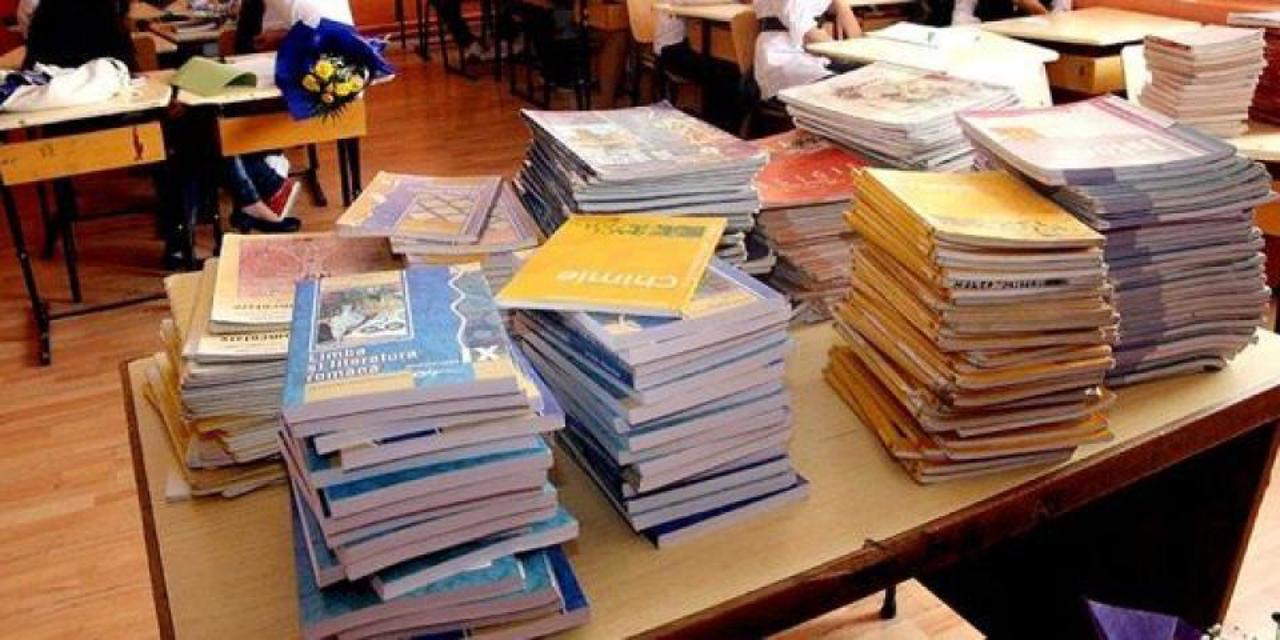
The Moldova curriculum reform will see the entire school curriculum fully revised by 2027, ensuring all subjects have new textbooks adapted to modern teaching and learning standards.
Minister of Education and Research (MEC), Dan Perciun, announced that the Republic of Moldova will procure Estonian mathematics textbooks, translated and adapted for grades 1–12, acknowledging, "we have subjects where we don’t know how to produce textbooks."
“We are currently reforming the curriculum and aim to finalize it by 2027. We will introduce new textbooks for all disciplines. I believe a crucial new element is our willingness to admit that we have subjects where we don’t know how to produce textbooks, and it is a positive step to acknowledge this fact,” Perciun said on November 11 during the “2025 Enlargement Report” Conference, as part of the “Competitiveness and Inclusive Growth” panel.
The Minister confirmed that the MEC will acquire mathematics textbooks from Estonia, a country renowned for its quality educational model in Europe.
“We will procure textbooks from Estonia, translate them, and offer them for mathematics from grade 1 to grade 12, putting an end to experimenting with local production. While we will, of course, localize these textbooks, we will adopt the Estonian ones as a core basis, and the curriculum itself will be built following the Estonian example,” Perciun stated.
He also noted that new educational domains, specifically adapted to the demands of contemporary society, will be integrated into the school curriculum.
“Across all other subjects, we will introduce more elements of financial education, education for society, media literacy, health education, and other new educational domains that are necessary for everyday life and highly sought after in the market, but which the school has perhaps addressed less until now,” the Minister added.
Moldova model schools are another key priority of Dan Perciun’s mandate: expanding the network of well-equipped regional centers, each receiving a budget of 2.53 million euros. The Minister emphasized that this major investment in school infrastructure aims to guarantee modern study conditions for students across all regions of the country.
“We launched this model schools initiative. In essence, it is an effort to create larger, well-equipped regional centers—bigger schools at the regional level—each allocated 2.53 million euros,” the Minister detailed.
Currently, 130 million euros in funding has been secured from the European Union, the World Bank, the Council of Europe Development Bank, and the European Investment Bank. “In total, we must raise a sum of around 230 to 250 million euros to give a necessary boost to our infrastructure,” Perciun explained.
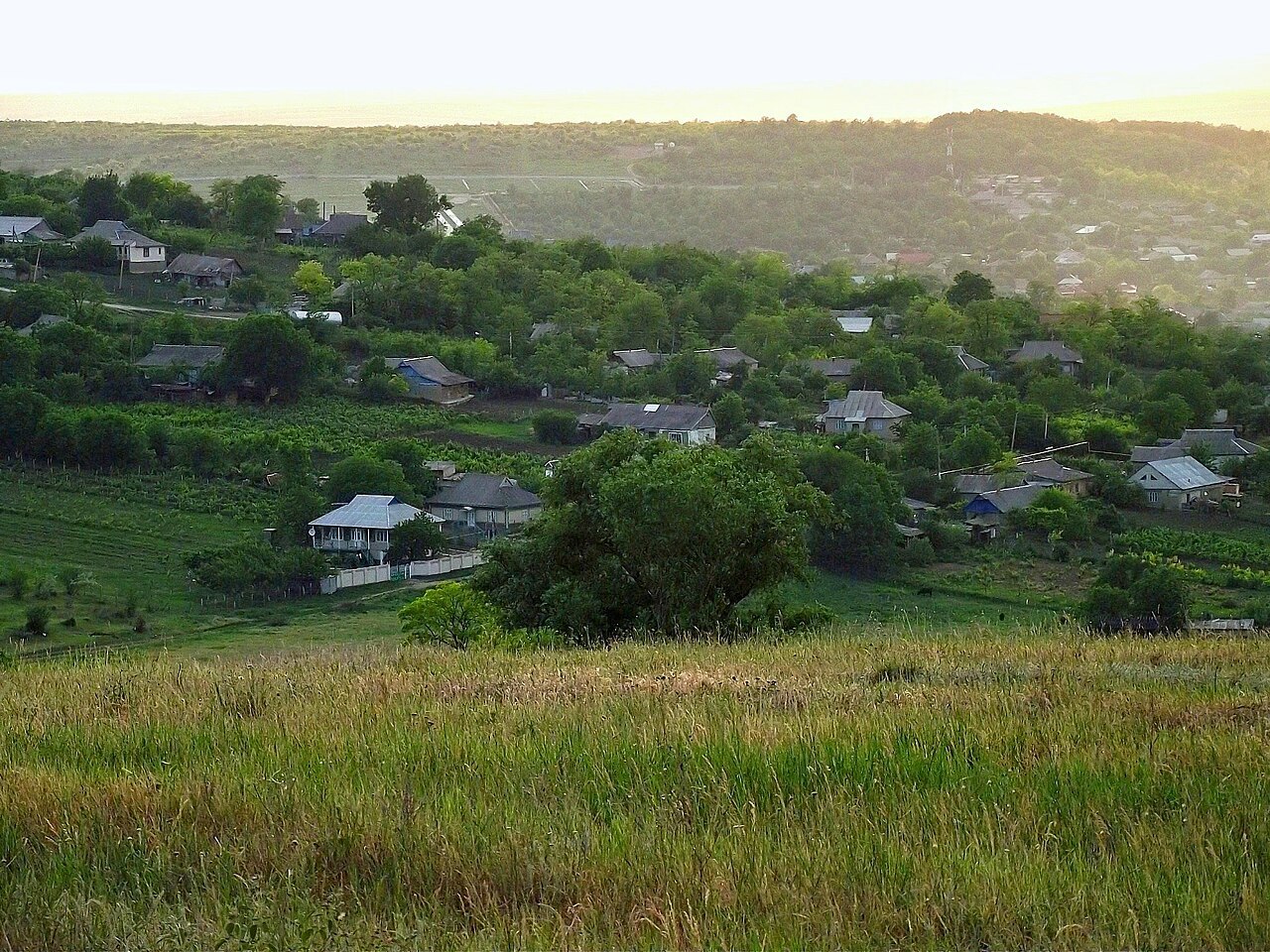
The official also announced a public debate concerning the future of small rural schools in Moldova, stressing the need for a comprehensive analysis of the minimum student threshold required for an institution to remain operational.
“This is a very old discussion in the Republic of Moldova, one that all politicians have avoided until now, regarding small schools and the prospects for many rural localities. I must remind you that one out of every four schools in the Republic of Moldova has fewer than 100 students, and I believe we have about 100 schools with fewer than 50 students,” the Minister noted.
Perciun stated that the MEC is scheduled to present legislative proposals on this matter by the end of November.
“We will present the Ministry’s proposals by the end of November and invite everyone to a discussion. There is no right or wrong answer here; it’s not a mathematical question. Many things must be taken into consideration. (...) I can only tell you at this stage that a debate on this issue awaits us until the end of the year. We will submit a draft amendment to the law and hold a public discussion. We will invite you all, as parents and citizens, to agree as a society on these thresholds.”
“We certainly will not please everyone, and we will never reach absolute consensus, but I hope we can succeed in having at least the majority of the citizens of the Republic of Moldova subscribe to these initiatives, which aim to offer students from all educational institutions access to quality education near their places of residence,” Dan Perciun concluded.
Translation by Iurie Tataru