Moldova construction: 40% growth, but labor shortage looms
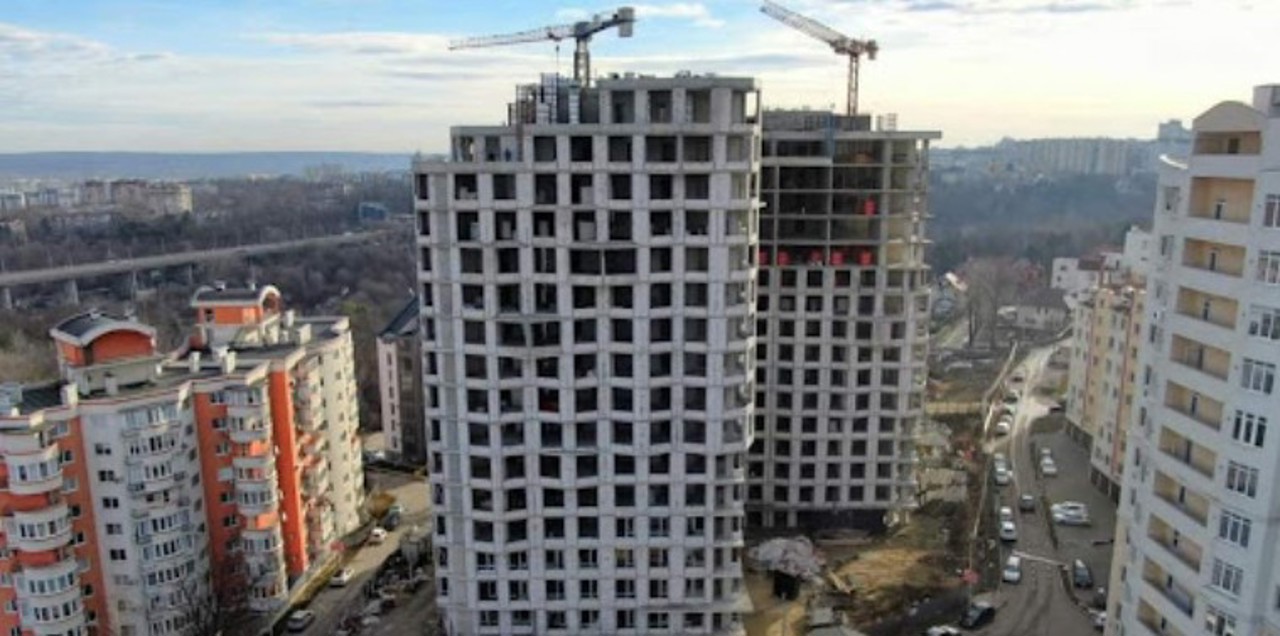
The volume of construction works in the Republic of Moldova increased by almost 40 percent in the first nine months of this year, compared to the same period in 2024.
The increase is primarily due to new constructions, current maintenance and repairs, and capital works, according to data from the National Bureau of Statistics (NBS). However, key challenges remain, namely a 50 percent labor shortage in the sector and the high costs of building materials, experts suggest.
The significant 37% growth in construction during the first nine months signals a market rebound following the sector’s collapse in 2022–2023, according to economic expert Veaceslav Ioniță.
He points out that while 2025 marks the second-best year in the last decade for the sector, there is still much to recover.
Ioniță further specifies that the largest increases are recorded in engineering structures, such as roads, aqueducts, and non-residential buildings, which do not necessarily reflect the dynamic of the housing sector.
"In 2018, housing prices were quite low, salaries were rising, the 'First Home' Program appeared, and we saw growth that culminated in 2021. We reached a peak, the highest historical point—65% more than in 2015 and a 33% annual increase. This was followed by the war in Ukraine, very high prices, and enormous inflation. The Republic of Moldova went through the 2022–2023 shock quite painfully, and 2025 shows that at least the construction works segment is on the rise," Veaceslav Ioniță told Radio Moldova.
Regarding the on-the-ground situation, Pavel Caba, President of "Condrumat" (the Federation of Construction Contractors, Road Builders, and Building Materials Producers), confirmed that the increased volume of work is driven by both publicly funded investments and the gradual reactivation of the private sector.
Pavel Caba maintains that massive infrastructure projects and road modernization programs have strongly boosted the sector. At the same time, he emphasizes that this increase in construction volume will not, for the time being, lead to a reduction in housing prices.
"Now, people have, in a way, adapted to the current situation and realized there is no other option. Even in extreme situations, something needs to be built. Yes, building materials have become more expensive lately, and this is linked to the war, as we import a lot from the east—from Ukraine, Belarus, even Russia. Now, imports are done from Europe, via Romania. At the moment, there is no such tendency for prices to fall. Perhaps we will reach a situation where prices stop rising. This galloping increase has slowed down, but this depends on several aspects," Pavel Caba mentioned on the national radio station.
Pavel Caba also highlighted other sector challenges, such as rising worker wages and the permanent staff deficit, which stands at around 50 percent of the required personnel.
According to him, salaries in the construction sector have reached MDL 17,000–18,000, and for certain specializations, they even exceed MDL 40,000.
Translation by Iurie Tataru