Moldova BNM governance reform passes first reading
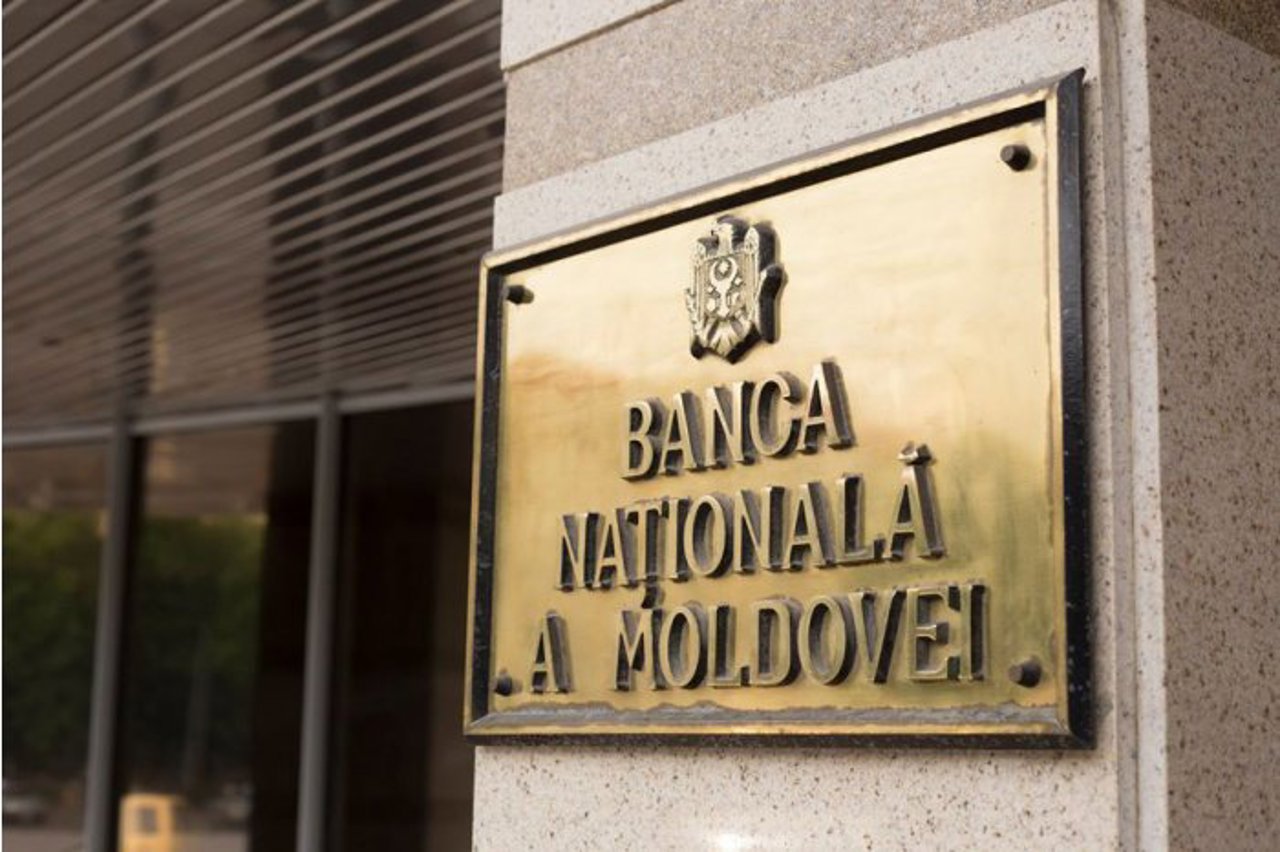
The procedure for appointing members to the governing bodies of the National Bank of Moldova (BNM) is set for a change.
A bill drafted by the National Bank under the auspices of the International Monetary Fund (IMF) was voted on in the first reading by 54 MPs during the November 27 session. The bill’s authors assert that the proposed regulations will strengthen guarantees for the independent exercise of the BNM management’s duties.
Cristina Ixari, State Secretary of the Ministry of Finance, emphasized on the Parliament floor that the project focuses on three main directions: increasing the level of operational independence, consolidating decision-making accountability, and enhancing institutional resilience.
One of the principal changes involves modifying the composition of the Supervisory Council (SC) by excluding a member who is also a BNM employee—currently a Vice-Governor. The goal is to reduce the influence of the Executive Committee on supervisory decisions.
At the same time, the procedure for appointing Supervisory Council members will become more complex with the introduction of a mandatory consultation with existing Council members, regardless of whether the proposal originates from the Parliament Speaker, the Governor, or the Parliamentary Committee for Economy, Budget, and Finance.
“Another important aspect concerns the fact that the requirements for these members are being expanded and updated. Given the evolution and development of the financial sector, the central bank’s competencies are no longer limited to classic economics and banking supervision; it must also cover other risks. Accordingly, competencies in risk management, IT, cybersecurity, and financial reporting have been included. These all become mandatory to meet and respond to the collective profile of the National Bank's management,” explained Cristina Ixari.
The bill also introduces the right of Supervisory Committee members to a hearing if their dismissal is proposed. Furthermore, a “double veto” mechanism is stipulated, involving the Presidency in the revocation process.
“The member will have the right to a hearing before Parliament makes the decision to revoke. The circumstances will be analyzed, which may include exceptional situations involving grave breaches. The law provides very clearly for these conditions. Additionally, this revocation chain introduces a double veto procedure, which includes the decision of the President of the Republic of Moldova,” the State Secretary noted.
Moreover, one of the bill’s provisions addresses the mandate duration for external Supervisory Council members, which will be reduced from seven to five years to allow for more frequent evaluations and prevent mandate overlaps.
Criticism in the Plenum: “The Executive Committee's Power is Diminished”
Communist MP Diana Caraman criticized the bill, expressing concerns about the National Bank’s true independence.
“We have often spoken about giving the National Bank more independence, but I haven't observed it in this bill. (…) Why is the power of the Executive Committee, which consists of professionals and people directly responsible for the National Bank’s policy, credit histories, and many other processes, being diminished, but not their responsibility?” Caraman asked.
Cristina Ixari responded to the MP, stating that the main goal is precisely to reduce political pressure and strengthen governance: “The purpose of the project was to reduce involvement or political pressure on national supervision. (…) At the same time, to ensure this project aligns with European practice, it was sent for consultation with the European Commission. We hope that when we examine it in the second reading, we will also have feedback from the Commission.”
Ion Chicu, an MP from the "Alternativa" Bloc, stressed that the bill represents a commitment made by the Government to the International Monetary Fund and has already been voted on at the governmental level, but "it does not constitute a commitment for Parliament to adopt it."
“No one in this room doubts that the National Bank must be independent. But it is about independence in policies and applied instruments, not in the responsibility of the officials of this institution towards the state of the Republic of Moldova,” Chicu stated.
Radu Marian, Chairman of the Parliamentary Committee for Economy, Budget, and Finance, emphasized that the structure he leads organized public consultations for this bill, but MPs showed little interest in participating in the discussions.
“It is important to have more detailed discussions on these projects, because the attendance from the MPs was not very good, and I refer to all factions. In the future, we kindly ask you to participate more actively in these consultations,” Radu Marian specified.
Other Changes Proposed in the Bill
The appointment of members to governing bodies will require consultation with the Parliament Speaker, the BNM Governor, or the Economy, Budget, and Finance Committee, depending on the position.
The consultative opinion on a candidate's eligibility will be heard in the plenum before the vote.
Executive Committee members will have the right to a hearing before potential revocation.
The BNM Vice-Governor will be excluded from the Supervisory Council, and the number of external (non-salaried) members will increase from four to five.
Changes are also proposed regarding the Supervisory Council’s attributions, the conduct of its meetings, and the mandatory reserve regime.
The bill is expected to be debated in the second reading.
Translation by Iurie Tataru