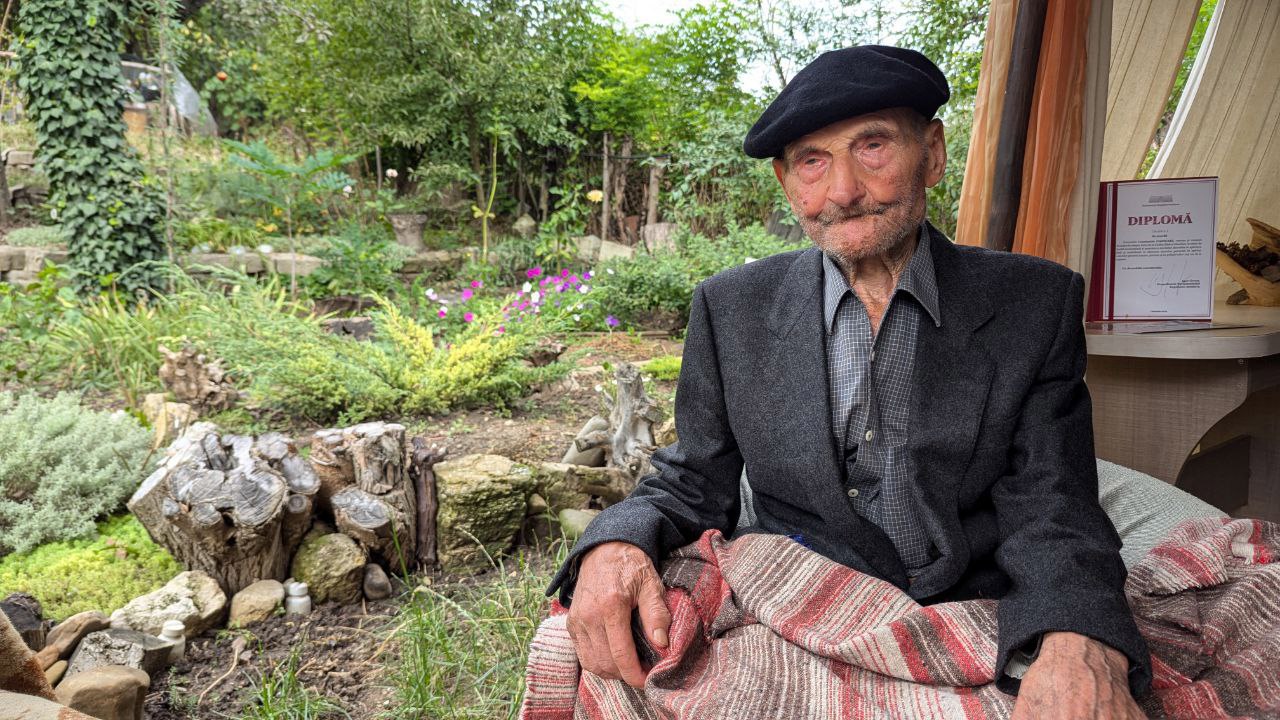
Moldovan fruit exports: PM Munteanu sets global goal
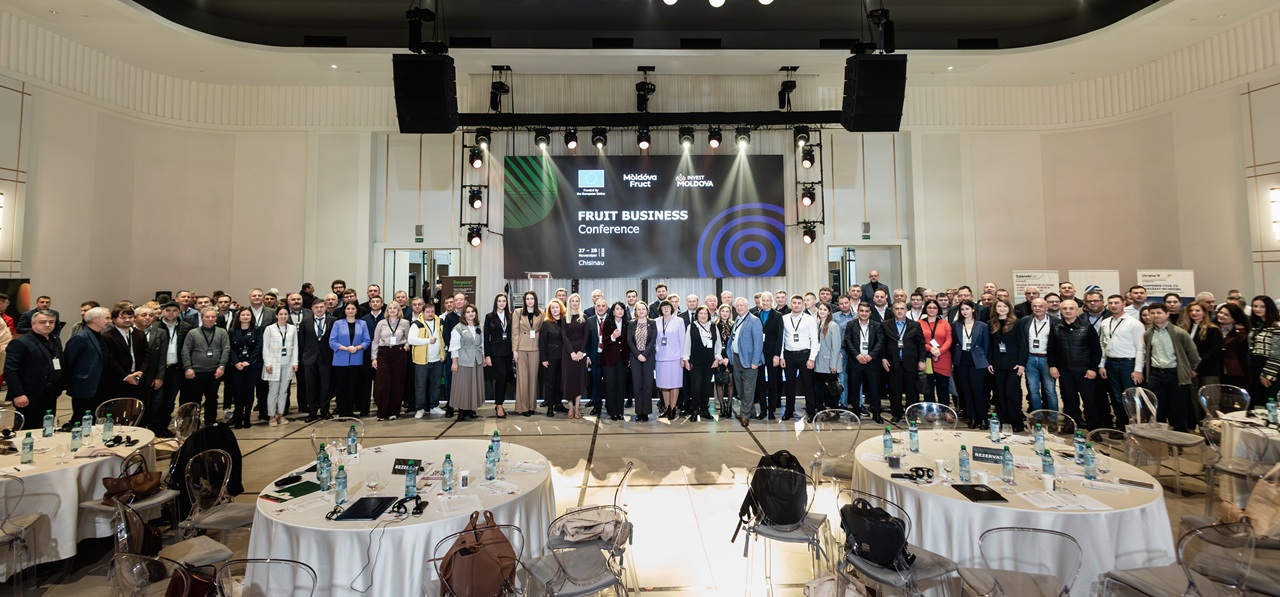
The quality of Moldovan fruits warrants their place on store shelves across Europe and the world, and Moldovan farmers deserve to be among the most respected and competitive producers, declared Prime Minister Alexandru Munteanu at the 11th edition of the Fruit Business Conference.
The event brought together over 300 fruit producers, exporters, and national and international experts in pomology in Chișinău. While growers possess the resources and willingness to invest, participants underscored that deforestation, falling yields, unpredictable climate, and difficult access to financing are hindering the development of the fruit growing sector. They stressed the urgent need for rapid modernization to maintain competitiveness on European markets.
Vera Ciobanu, from Corjova village in the Criuleni district, manages a 14-hectare cherry orchard with her family, although only six hectares are currently yielding a harvest, with the remainder being new plantings. To secure a good yield, she invested significantly in an irrigation system, anti-hail nets, and bird-scaring cannons. She reports that her investments are paying off, yielding a record harvest of 70 tons of cherries this year:
“Not all fruit growers, however, enjoyed such a bountiful harvest in this difficult agricultural year.”
The massive damage caused by spring frosts was detailed by Vitalie Gorincioi, President of the Moldfruct Association.
“Stone fruit was the most compromised: cherries, plums, apricots, and peaches. They were compromised because they survived the first frost wave in early April, but a portion suffered from the second frost. Apples also suffered, and plums, and cherries very heavily, and apricots very heavily. We practically exported nothing from the apricot harvest,” stated Vitalie Gorincioi.
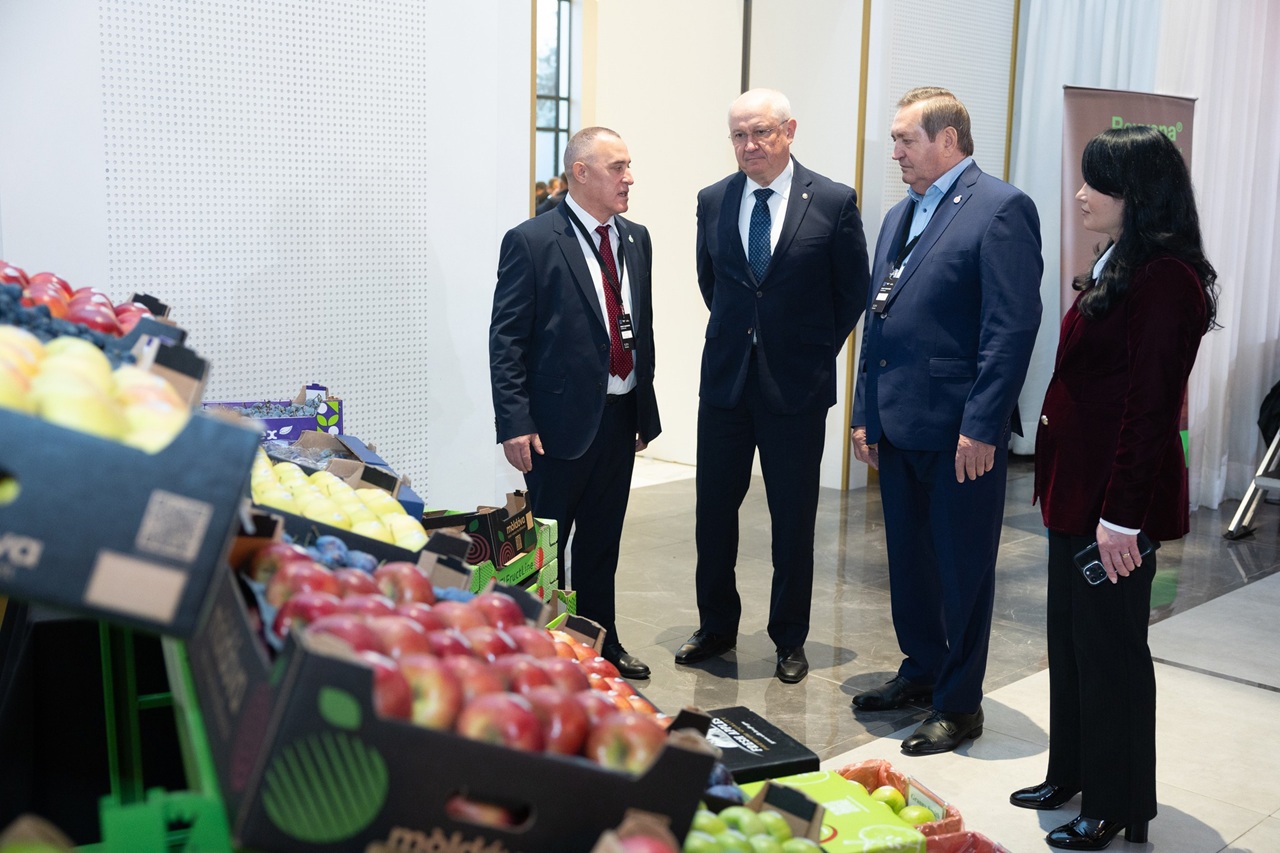
Despite the challenges, fruit growers remain confident. They argue that establishing 23,000 hectares of modern plantations over the next five years would allow for a doubling of exports and an increase in prosperity in rural areas. They advocate for predictable policies harmonized with the European Union, fast access to phytosanitary products, and support for irrigation and post-harvest infrastructure.
Ina Butucel, State Secretary of the Ministry of Agriculture and Food Industry, emphasized that despite all the challenges, the fruits exported by Moldovan farmers have become a true ambassador for the Republic of Moldova in Europe and on international markets in recent years.
“To enhance the competitiveness and resilience of the horticultural sector, the Ministry of Agriculture and Food Industry continues to make consistent efforts to support the sustainable development of agriculture through coherent policies and programs aimed at development, modernization, and economic growth. This is especially crucial now, as the sector continues to face constraints caused by climate change, as well as other challenges that impede production and the export of Moldovan fruits,” Butucel declared.
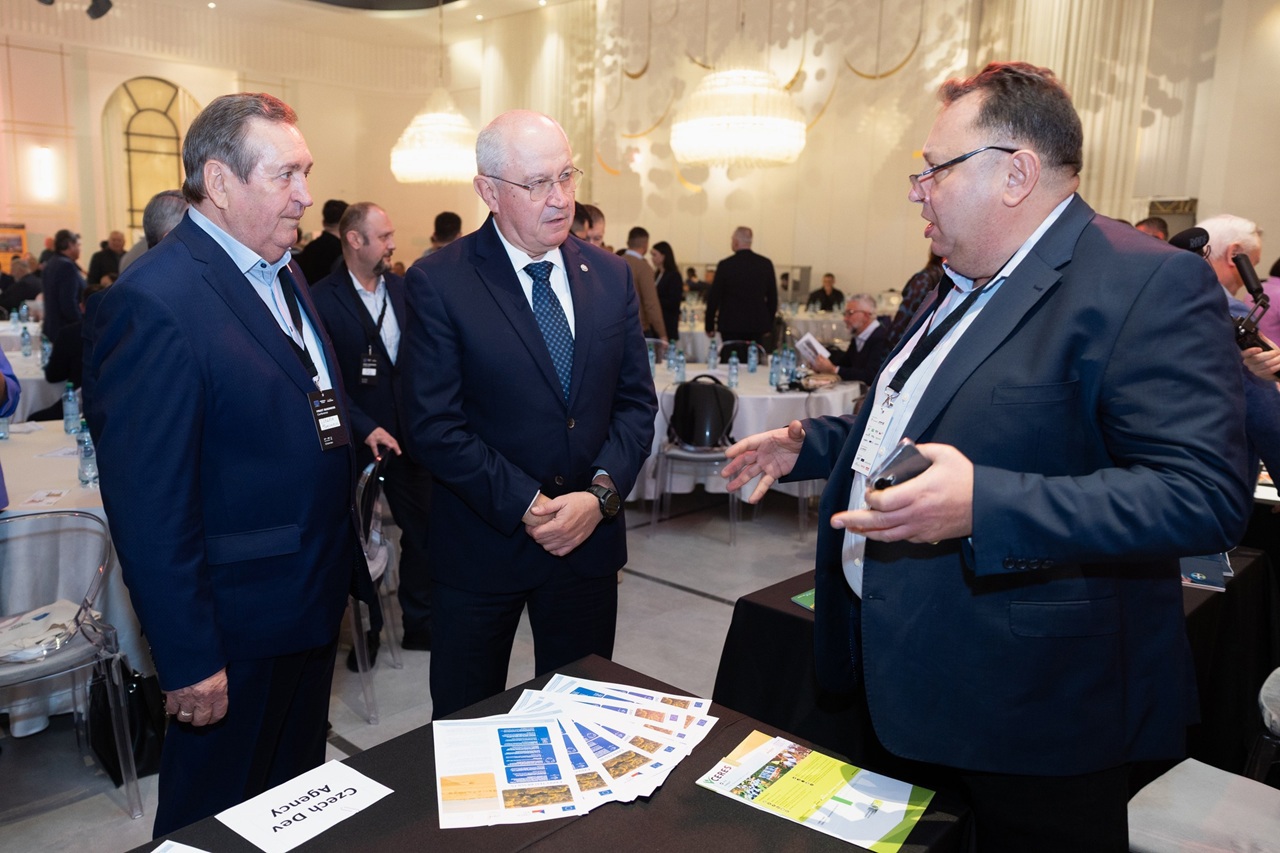
Prime Minister Alexandru Munteanu noted that, in recent years, the Republic of Moldova has managed to position itself among the top 20 global exporters of plums, walnuts, cherries, apricots, rapeseed, apples, and grapes. This achievement is attributed to farmers who invested in modern orchards, state-of-the-art technologies, and post-harvest infrastructure, as well as to the opportunities primarily opened up by the European market.
Furthermore, Iwona Piórko, the European Union Ambassador to Chișinău, underlined the EU's firm commitment to supporting Moldovan producers through programs designed to improve the competitiveness, quality, and sustainability of the fruit sector.
Although volumes have decreased, the value of exports has significantly increased: for apricots, it rose by 1.8 times, and for cherries, it doubled, indicating a growing demand for quality products. Regarding apples, exports in the first ten months were 25.8 thousand tons lower than last year, resulting in a decrease in revenue of $4.6 million.
Translation by Iurie Tataru