Moldova 1 launches campaign to save Ciolac-Malski Manor
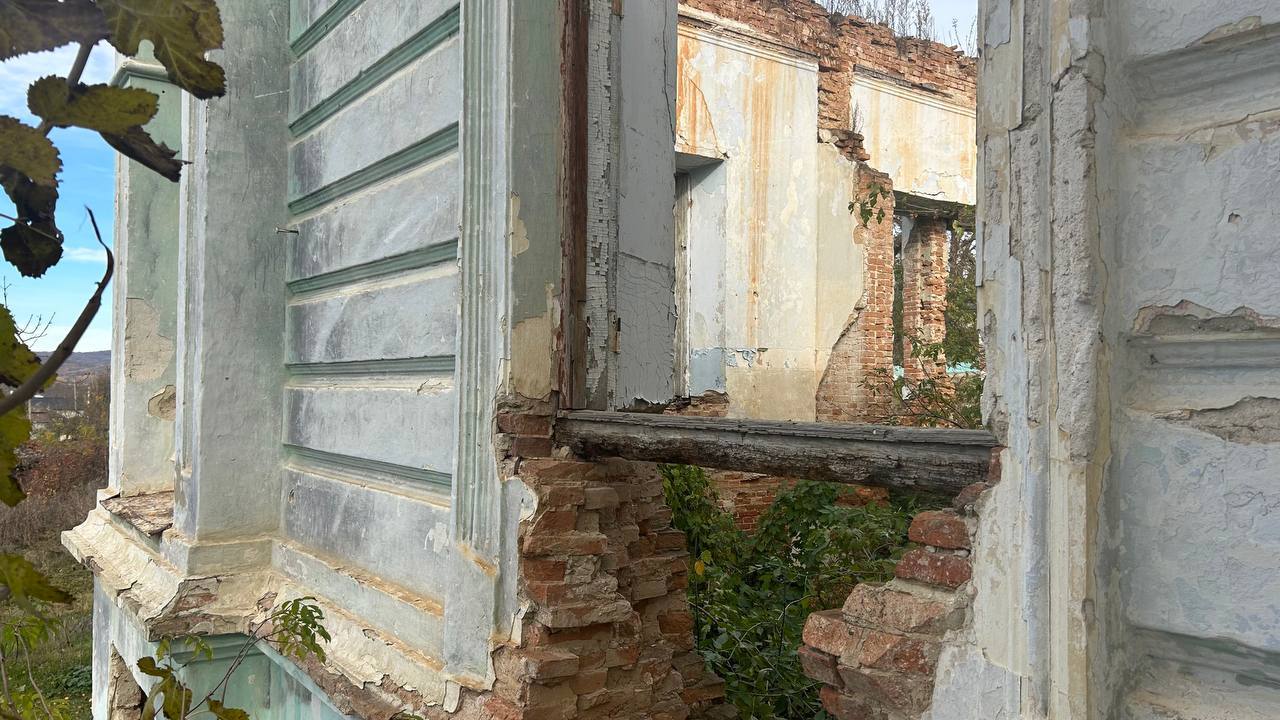
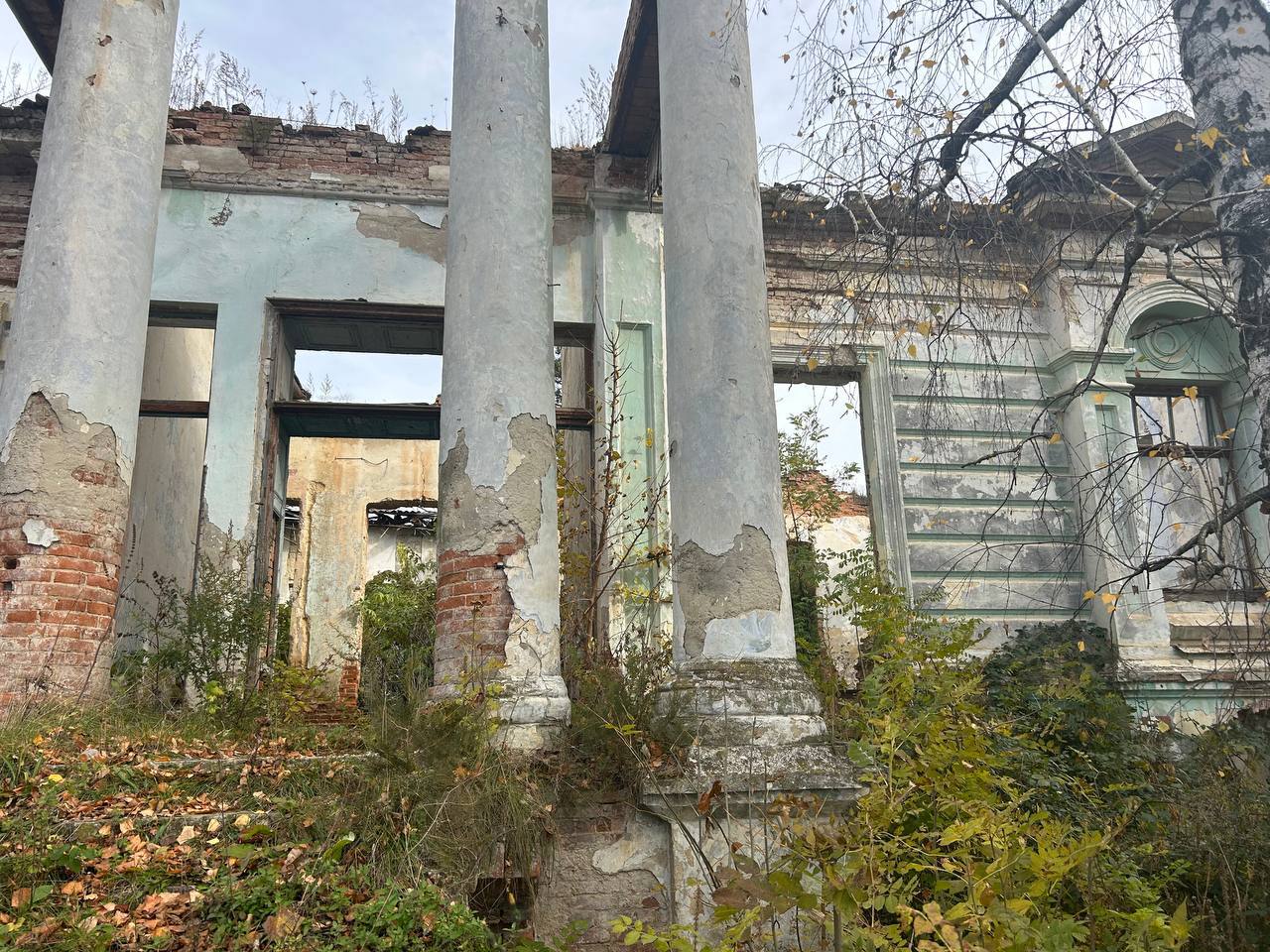
Buildings once proud, with sun-drenched porches and grand windows, are now slowly collapsing.
These Moldovan manors in the Republic of Moldova are not just walls, but the enduring memory of an era, of families, and of an architectural heritage worth preserving. In the courtyards, vegetation has completely reclaimed the lost territory, and the vineyards and gardens, which once defined the life of the local nobility, now grow wild and untended.
Moldova 1 has decided to launch a campaign dedicated to saving these manors and drawing public attention back to their historical and cultural value. Through reports and interviews, we aim to showcase both the current, dilapidated condition of these buildings and their vast potential as tourist attractions. This initiative, a crucial step for the Restoration campaign, seeks to mobilize authorities to prevent the irreparable loss of this national heritage.
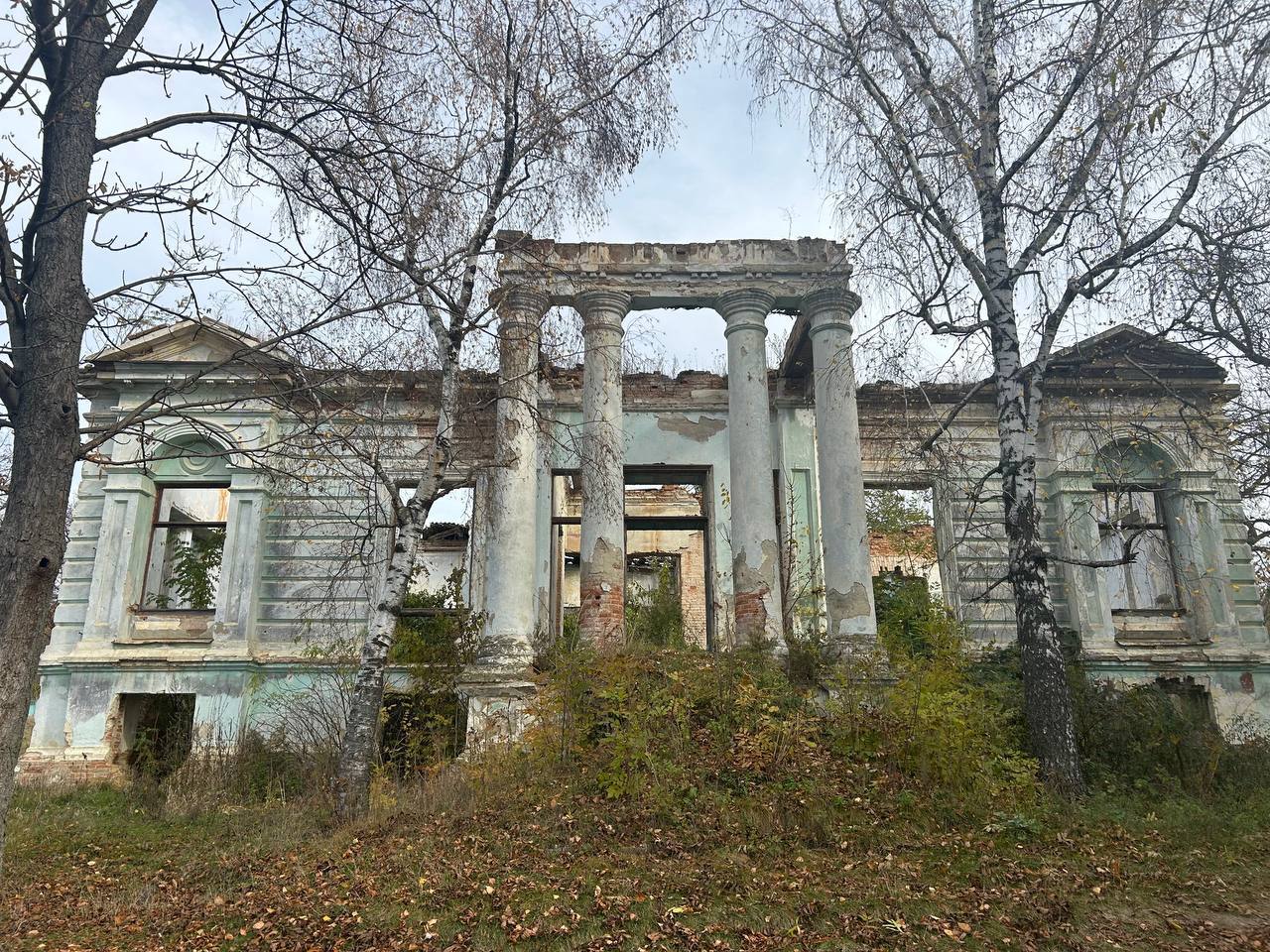
Moldova 1 is launching the campaign with a feature on the Ciolac-Malski Manor in Bahmut, Călărași district. Dating back to the 19th century, the manor is officially included in the Register of Monuments Protected by the State.
The manor is believed to have been built in 1887 and belonged to the Ciolac-Malski family. The house was once surrounded by a vast park, featuring numerous species of trees that created an impressive landscape, with a beautiful panorama of the locality opening up from the manor's main threshold.
The manor was constructed in Russian Neoclassical style by a family of Polish nobles, and it was considered a true architectural jewel both inside and out. An elegant, marble-paved alley, lined with chestnut and pine trees, led to the entrance. Today, only the side walls remain. The structure is roofless, and its interior has been extensively vandalized.
Architect Valerian Grosu, a native of Bahmut, has extensively studied the history of the Polish noble Malski’s estate.
“Besides this main building, there was also the owners' large warehouse, a separate structure that served as a kitchen, under which was a very large cellar—about 20 meters long with two compartments. Unfortunately, all these features are now destroyed," architect Grosu stated. "In front of the manor, another path led to the park, extending further down to end with an exceptionally beautiful decorative lake."
Following the Soviet occupation legacy in Bessarabia, the family fled to Romania, and the manor was left abandoned. It was subsequently converted into a school, which operated until 1988.
“The school functioned throughout the entire Soviet period, and its location was only changed from here in 1988. The interior structure included beautiful, decorative elements of neoclassicism. Right in the central hall, there were once wall paintings, which, sadly, have been erased as the rain has washed them away,” the architect explained.
Locals who attended school in the building recall the manor's interior with nostalgia and strongly desire its reconstruction:
“We knew it since we were children, when it was still in very good condition. I even started my studies in that building. It had very high ceilings, large, tall windows, and terracotta stoves. The interior was beautifully painted with natural paint, which was still preserved then. I believe the villagers would contribute whatever they can. It should become a tourist center, something beneficial for the people.”
Another local added: “I started my career here as a librarian when it was still a school. I even saw a bit of the garden that surrounded the manor, but unfortunately, everything was destroyed. It would be a truly magnificent historical monument. Something like this is very rare in Moldova.”
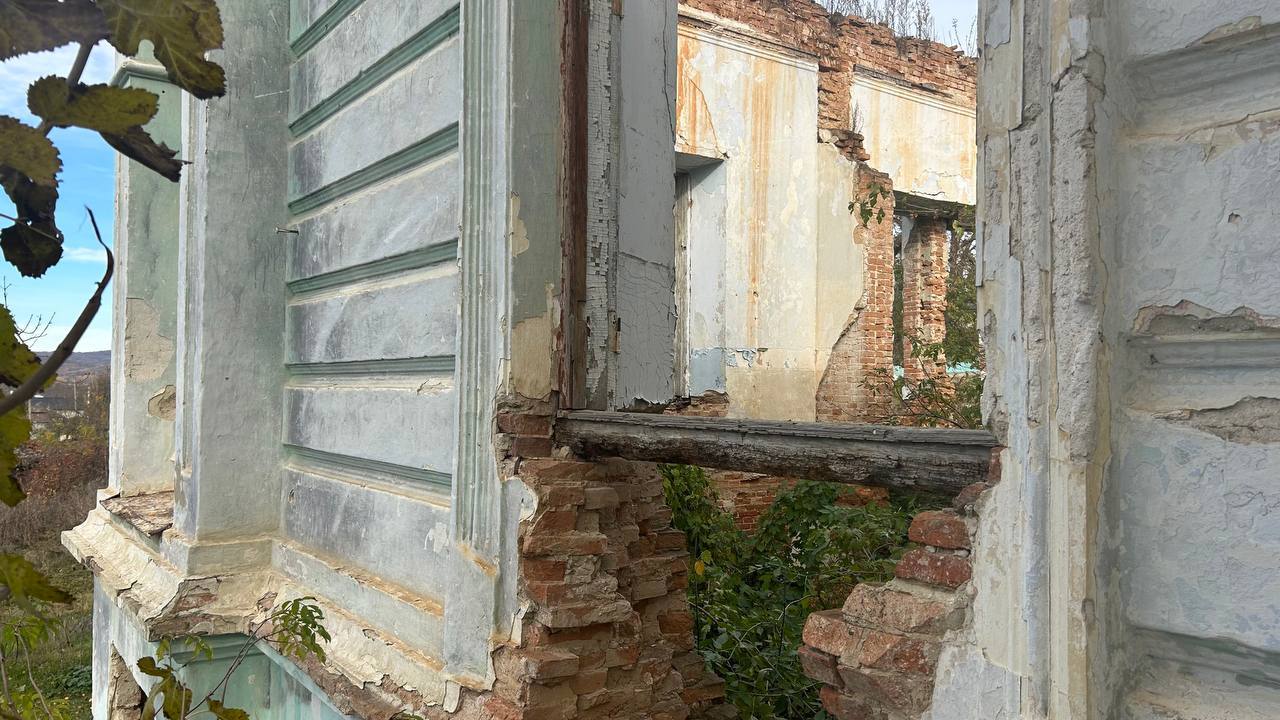
Over the years, the Bahmut Mayor's Office has sought to rehabilitate the manor, recognizing its historical value. However, as in many villages across the Republic of Moldova, the heritage has been relegated to the waiting list in the face of more pressing community concerns.
Bahmut Mayor Igor Godea explained the challenge: “We have had several initiatives and are constantly looking for funds or programs where we can apply for the manor's rehabilitation. We will keep trying. However, we look at priorities. If the sewerage system also appears on the funding program, we will choose to solve the sewerage problem first. Until then, we want to finalize the technical documentation and officially allocate the remaining land.”
Beyond budget constraints, there is a clear and powerful desire in the village for the restoration of the manor, which, since 1993, has been included in the list of Historical monuments of Moldova of national importance.
“I studied here, I lived here; I know every little spot in every space. It must be rebuilt, and I am convinced that if we all want it, we can accomplish this,” concluded architect Valerian Grosu.
Translation by Iurie Tataru