UK to transfer €9.1 billion in frozen Russian assets to Ukraine
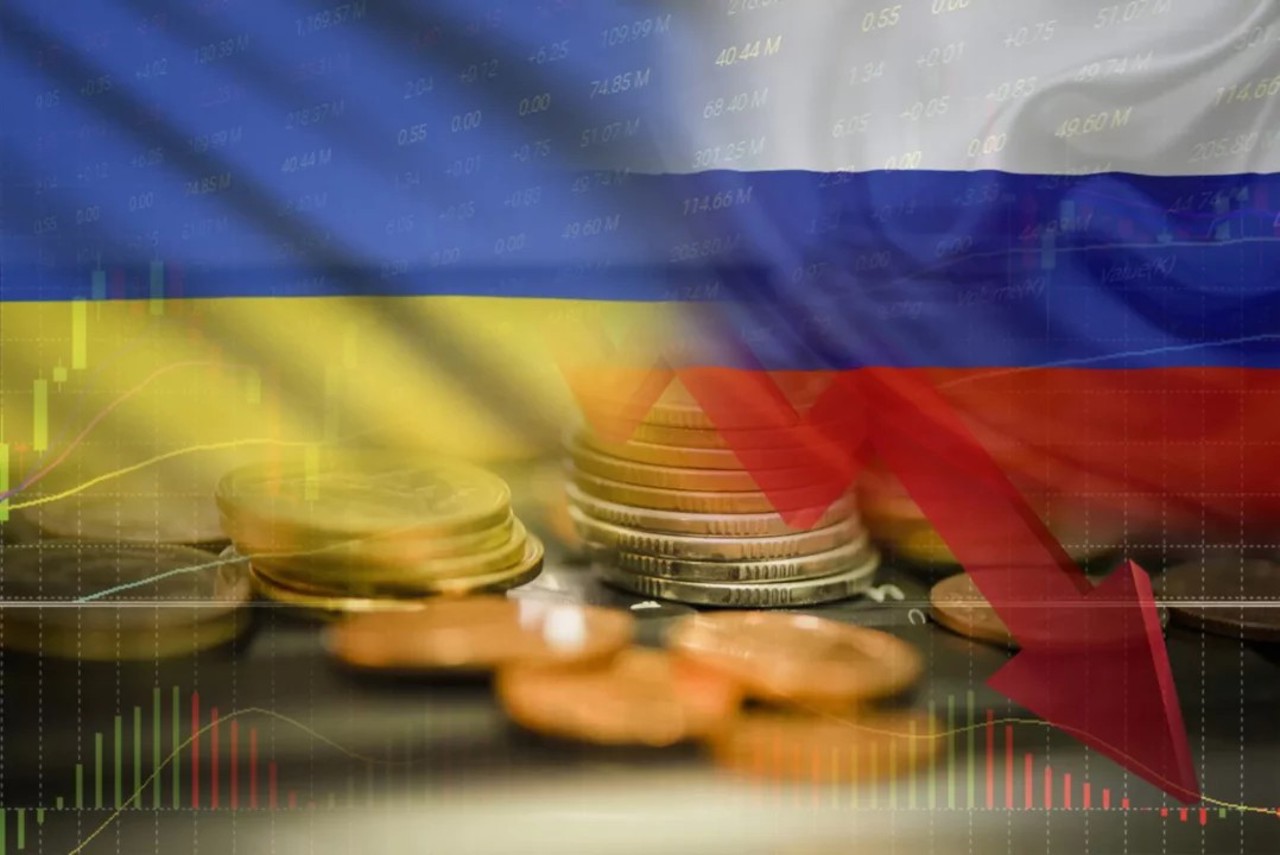
The UK government is prepared to transfer frozen Russian assets valued at eight billion pounds (approximately €9.1 billion) to Ukraine, according to The Times, citing a Cabinet source.
This proactive step aims to immediately utilize seized funds to bolster Kyiv's financial resilience.
London is currently pushing for an agreement with the European Union and allies like Canada to establish a legal mechanism. This framework would allow Ukraine to receive an estimated €114.5 billion as a reparations credit. This substantial sum could cover over two-thirds of Kyiv's financial needs between 2026 and 2027, as reported by DW.
If the war persists, the funds would be channeled into military armament purchases. Should a peace agreement with Russia be secured, the money would immediately pivot toward national war reconstruction efforts.
However, a clear legal mechanism for unblocking and transferring these specific British-held frozen Russian assets remains elusive, the source added. The United Kingdom currently holds a total of €28.6 billion in frozen Russian assets.
Novichok Case: New Details Link Putin to Skripal Poisoning
The Times report coincided with the publication of the British inquiry commission's findings on the 2018 Novichok poisoning of former double agent Serghei Skripal in Salisbury. The commission explicitly concluded that Russian President Vladimir Putin personally ordered the operation.
The report also finds the Kremlin leader morally responsible for the death of collateral victim Dawn Sturgess, a 44-year-old British citizen.
Following the report, the UK government swiftly introduced new sanctions targeting the GRU (Russia's military intelligence) and 11 individuals, including its suspected members. Prime Minister Keir Starmer condemned the poisonings as "a reminder of Russia's reckless aggression," underscoring that the UK "will continue to oppose Putin's brutal regime and unmask its deadly machinery."
German Chancellor Merz in Urgent Belgium Visit to Discuss Seized Funds
Also on December 4, German Chancellor Friedrich Merz postponed a scheduled visit to Norway to instead hold an urgent meeting with Belgian Prime Minister Bart De Wever. European Commission President Ursula von der Leyen is also confirmed to attend the informal dinner.
According to AFP, the core discussion will revolve around the possibility of leveraging frozen Russian assets to finance a reparations credit for Ukraine — a key initiative put forth by the European Commission.
Belgium, which holds the largest portion of EU-frozen Russian assets (approximately €189 billion), has so far resisted the Commission's plan. The European Central Bank has also voiced its strong reservations. Conversely, Germany and the majority of other member states endorse the idea.
European authorities are aiming to finalize an agreement on the reparations credit before the end of the year.
Translation by Iurie Tataru