Moldova’s valuable chernozem soil is facing severe degradation
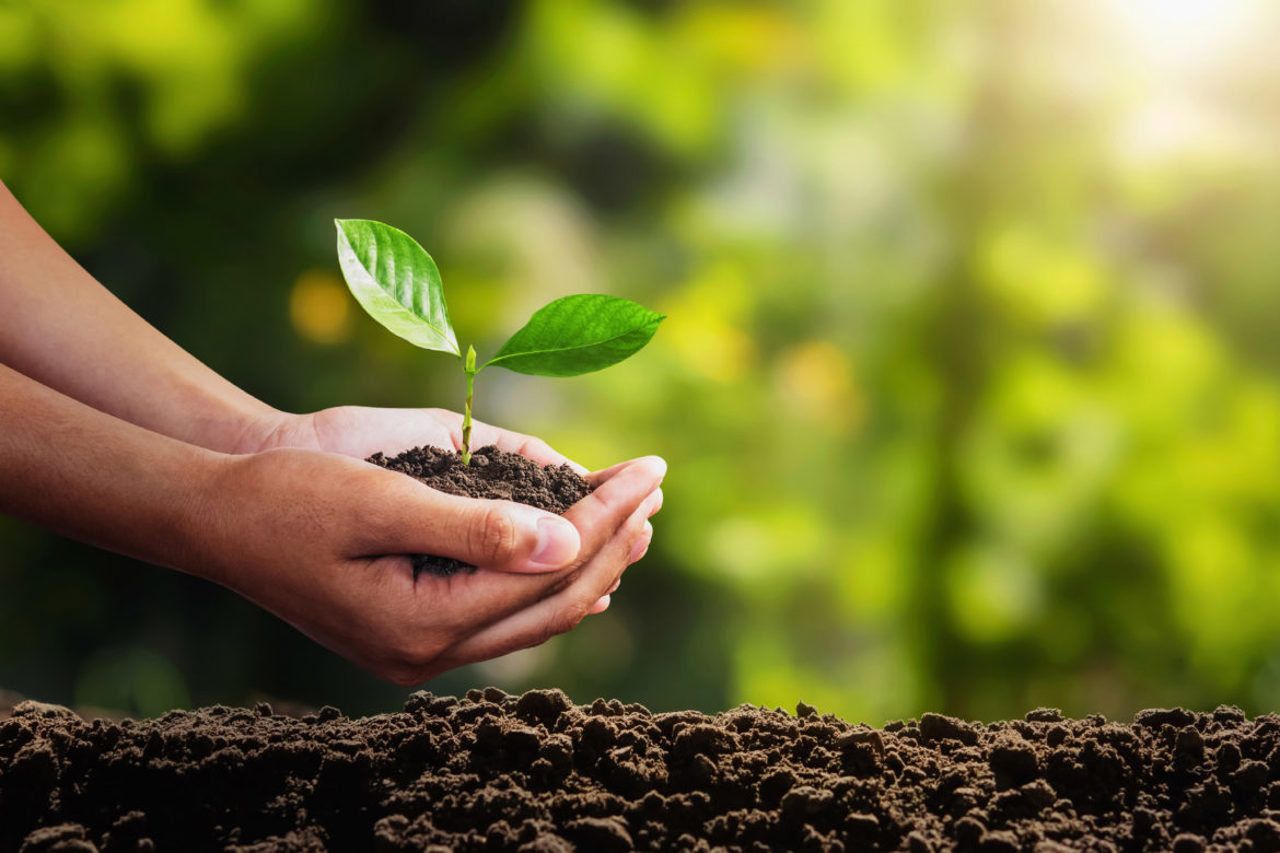
The Republic of Moldova boasts some of the world's most prized agricultural land: 80-85% of its territory is covered by chernozem, a famously rich, black soil.
However, Dr. Habil. in Biological Sciences, Boris Boincean, asserts that this extraordinary national wealth is being exploited in an irrational and unsustainable way, accelerating soil degradation in Moldova.
Boincean points out that the most fertile soil is the chernozem found in the Bălți Steppe. "They were first recognized by the founder of world pedology, Dokuchaev. Samples were sent to Paris and Chicago and served as a global standard for all soils," he noted.
He criticizes the current mentality: "Like miners, we are solely focused on extracting from the soil, on securing a harvest and a profit. We pay less attention to how our agricultural practices influence the wider environment and human health. The quality of our food and drinking water is directly affected by the soil's state. Furthermore, the condition of the soil governs the emission of greenhouse gases, a direct cause of global warming. Soil is the only natural mechanism capable of mitigating this warming effect," Boincean explained during the "Zi de Zi" show on Radio Moldova.
Soil fertility is also severely impacted by vegetation fires, often caused by high summer temperatures or human error (anthropogenic factor), states Dr. Habil. in Biological Sciences, Tatiana Nagacevschi. She explains that when vegetation burns, the intense heat destroys the essential microorganisms that facilitate the formation of humus content.
"Fertility is fundamentally the soil's capacity to provide plants with the necessary nutrients and the optimal air, water, and thermal regime. When we discuss fertility, we are primarily addressing the humus content," Nagacevschi emphasized. "This already diminished content has practically halved over the last 100 years due to the intensive use of soil in agriculture. Moreover, the amount of vegetation available to form humus is also low."
She offers a clear solution for the rehabilitation of Moldova chernozem, which covers over 80% of the territory: "The only answer is the widespread use of organic fertilizers. This means chopping up and spreading manure and green vegetation on the soil surface, or allowing weeds and all vegetable residues to decompose naturally before they are distributed across the fields."
In a national first, a new soil conservation law has been adopted to ensure the rational use of agricultural land and the protection of soil resources. The law will enter into force next year, making landowners more accountable for complying with protection norms, preventing agricultural land degradation, and maintaining fertility, as summarized by Angela Dogotari, a representative of the Ministry of Agriculture and Food Industry.
"The draft law introduces several key obligations," Dogotari confirmed. "It mandates preventing soil deterioration. It requires special measures for soil conservation, and importantly, for the protection of forests and protective forest strips—especially those on slopes highly susceptible to landslides or wind erosion. Landowners must implement soil protection measures consistent with environmentally friendly agricultural practices."
Acknowledging the decline in soil fertility, the specialist outlined the necessary steps for sustainable land management: "This trend could be reversed if all citizens take responsibility for the use and protection of soil resources. Landowners are now, more than ever, obliged to take action to prevent the reduction of soil quality. By applying these measures, we will ensure the long-term sustainability of our soil resources and successfully transmit this vital natural heritage to future generations in good condition."
Moldova is also implementing a new management tool for agricultural land: the mandatory Field History Book. This agronomic structure is designed to monitor soil degradation, evaluate protection efforts, reduce erosion risks, and optimize crop rotation. The instrument ensures the durable monitoring of agricultural land use and guarantees the traceability of all field operations.
World Soil Day is celebrated annually on December 5 to emphasize the vital role of soil in our lives and to promote its sustainable use. Coordinated by the United Nations Food and Agriculture Organization (FAO), the day aims to raise public awareness about issues related to soil degradation and the critical need for its protection.
The issue of soil erosion is global, exacerbated by climate change and extreme weather. With over 60% of European soils currently degraded, and research showing a worsening trend, EU member states are compelled to intensify efforts to reduce pollution and the constant degradation of land.
Translation by Iurie Tataru