Moldova's democracy threatened by rising political violence
Violence against women in politics (VAWP) continues to pose a critical threat to democracy in the Republic of Moldova.
The recent September 2025 parliamentary elections placed immense pressure on women candidates, highlighting the extent of the problem. Five percent of women candidates reported experiencing physical or verbal violence even on election day, 2% reported incidents targeting their family, and 35 percent stated the overall climate of intimidation affected them.
The Rise of Online Harassment
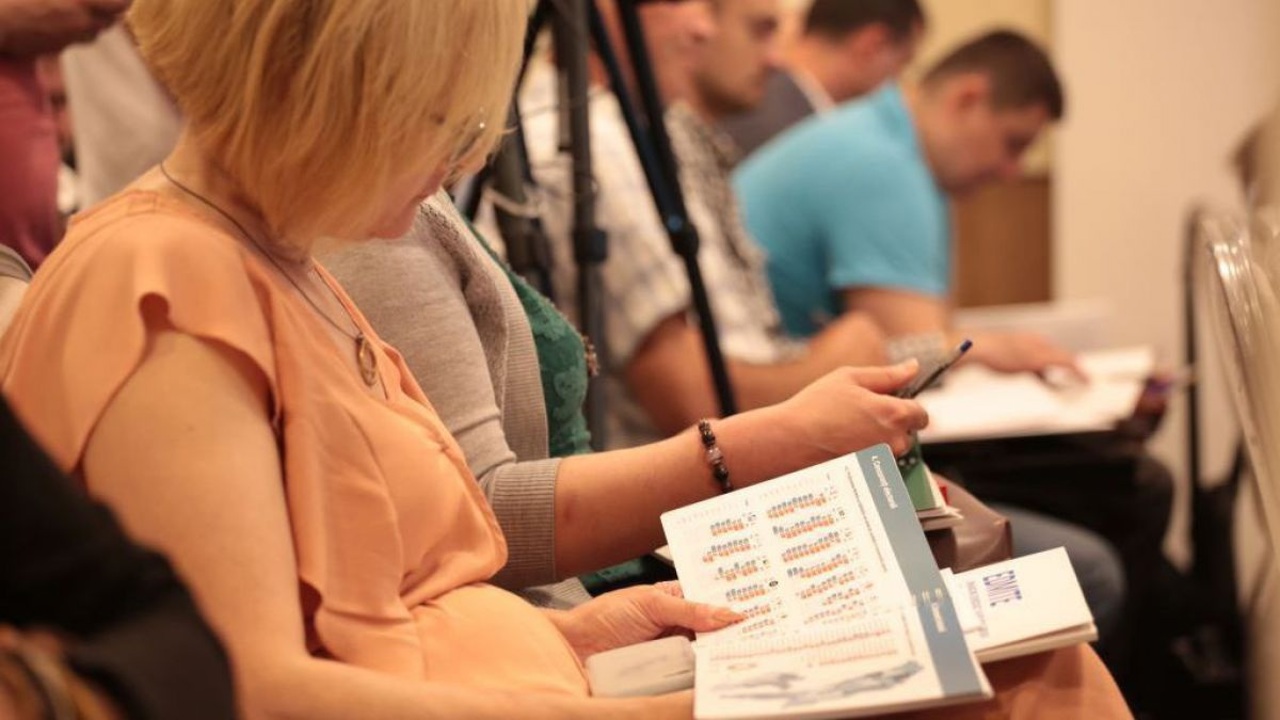
Beyond traditional forms of psychological, physical, and economic abuse, a new wave of online harassment targeting women has taken hold, according to a recent study by UN Women, supported by Sweden. The findings were presented on Tuesday, December 9, in the capital, Chișinău.
"Yes, candidates confirmed facing violence," stated Elena Rățoi, a UN Women consultant and co-author of the study. "Thirty-two percent faced derogatory, misogynistic comments, such as 'what is a woman looking for in politics?' Another 22 percent faced offensive language based on non-gender criteria. The majority of this aggressive behavior came from opponents' sympathizers, but also regular voters. The profile of these perpetrators is largely male."
Ludmila Adamciuc, a Member of Parliament (MP), argues that when women retreat—self-censoring, avoiding public events, or withdrawing from politics entirely—it is a clear democratic alarm bell.
"I don't have a very long journey in politics, but I have a longer one in the online sphere," said MP Adamciuc. "The moment I publicly announced my candidacy, the reactions I faced helped me understand the reality of digital violence. Having a three-month-old child at the time, the messages were inevitably: 'Go home and raise your child.' The gender discrimination that a woman's place is solely at home is the first major obstacle women encounter in public life."
She emphasized Parliament's commitment: "We will continue to strengthen legislation, monitor its application, and ensure protection mechanisms work. We are determined to fight against all forms of violence, taking into account the study's legislative recommendations."
International Cooperation and Institutional Response
At the study launch, Maria Tropp, Head of the Development Cooperation Section at the Embassy of Sweden in Chișinău, stressed the need to ensure women in Moldova can engage in politics safely. She highlighted that this goal requires sustainable cooperation with government institutions and development partners.
"The political participation of both women and men, and women's access to leadership, are essential for the country's sustainable development," Tropp noted. "Women's participation is a fundamental right and a condition for a true democracy. As more women enter the political arena, the persistence of VWAP remains a barrier to their full participation in public life. All types of violence aim to discourage women, making them fearful and detached from politics."
Dana Munteanu, Secretary of the Central Electoral Commission (CEC), confirmed the trend, noting that as the number of women candidates grows, the phenomenon of VAWP intensifies. "This form of violence is not just an individual problem. It represents a direct threat to equal participation in electoral processes and to the integrity of democratic institutions," Munteanu stated. "We are committed to strengthening prevention, monitoring, and reaction mechanisms."
Candidate Profile and Motivations
The National Study on Violence Against Women in Politics in Moldova, which surveyed over 100 women candidates from the September 28, 2025 elections, revealed that seventy percent of women ran for the first time. The candidates were largely highly educated, mostly motivated to change things in the country. Their main campaign themes included European integration and the standard of living.
Translation by Iurie Tataru